
 By businessnewstips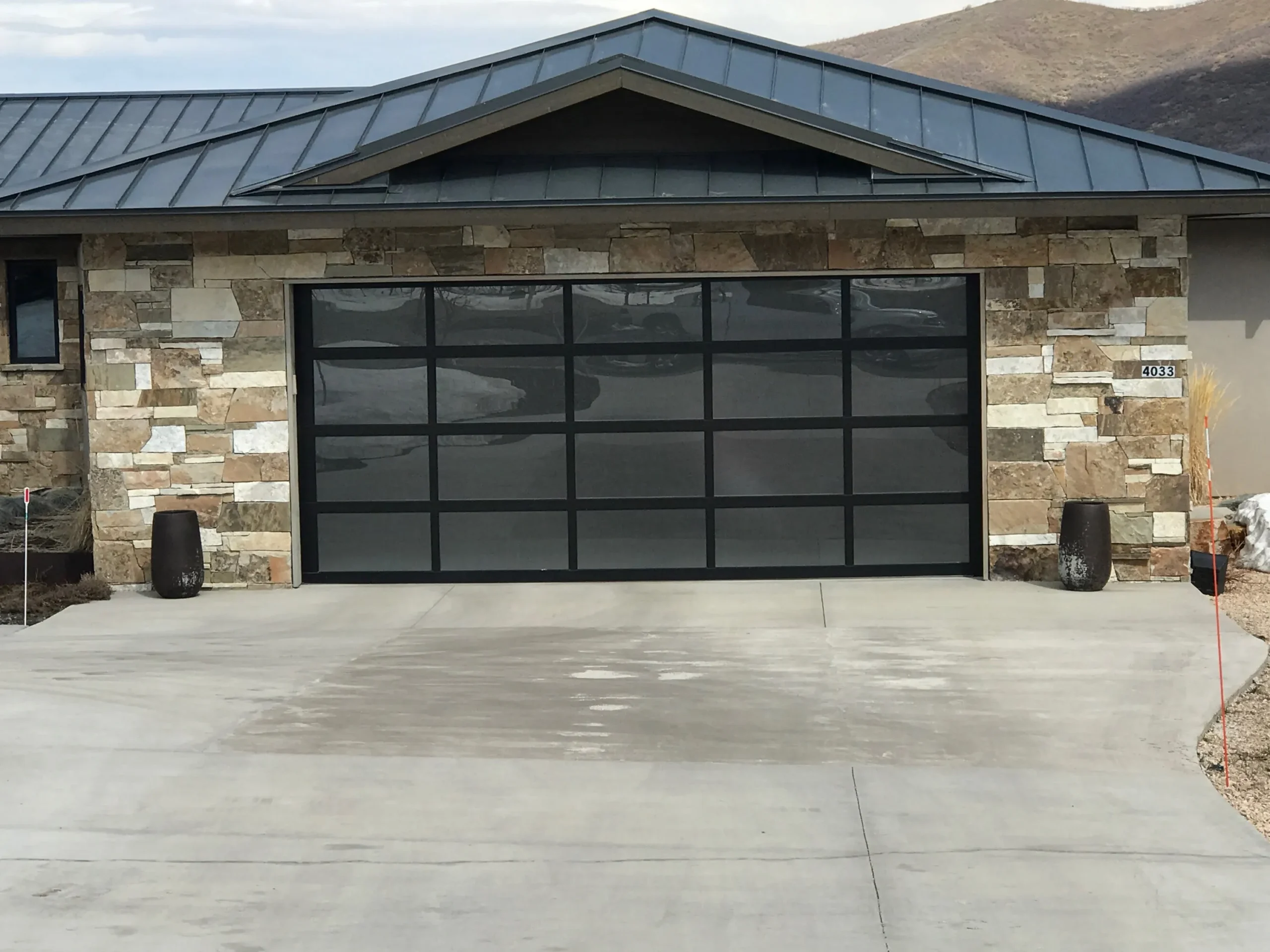
Coastal living has plenty of perks, but it is tough on building materials. Salt carried on sea breezes, high humidity, sudden downpours, and strong sun can all shorten the life of exterior finishes. A garage door is especially exposed because it is large, frequently used, and full of moving parts that can trap moisture.
If you are weighing materials, it helps to look at real-world examples of how coastal-ready options are typically described and finished. For examples of residential options in coastal settings, this overview of aluminium garage doors residential gold coast can help illustrate typical formats and finishes.
The best choice is not just about looks. It is about how a material handles corrosion risk, day-to-day dents, temperature changes, and the amount of maintenance you are realistically willing to do.
Why coastal conditions change the usual “best material” advice
In many places, homeowners choose a garage door based on price and style first. Near the coast, the environment often becomes the deciding factor. Salt accelerates corrosion on unprotected metals, while humidity can swell or warp certain natural materials over time. Even if the door panel holds up, tracks, fasteners, hinges, and springs can deteriorate faster in salty air, which affects smooth operation.
That is why a coastal-friendly decision considers the whole system: door skin, frame, insulation (if any), and the quality of protective coatings and hardware.
Aluminium garage doors: corrosion resistance with trade-offs
Aluminium is often shortlisted for coastal homes because it does not rust the way steel does. That makes it appealing where salt spray is common. It is also relatively lightweight, which can reduce strain on the opener and moving components.
However, aluminium can dent more easily than thicker steel, especially if a ball, bike handlebar, or wind-blown debris hits the door. Many homeowners find this trade-off acceptable if the door is in a low-impact area or uses a design that helps disguise small dings (for example, textured or ribbed profiles).
Pay attention to finish quality. Powder coating and well-applied protective finishes help with colour longevity and surface durability in strong sun and humid air. Cleaning matters too: a gentle rinse to remove salt buildup can make a noticeable difference over time.
Steel garage doors: strong and cost-effective, but watch the coating
Steel doors are popular because they are stiff, secure, and available in many styles. In coastal conditions, the main risk is corrosion once the protective layer is compromised. Scratches, stone chips, or worn edges can expose steel, and rust can begin in those vulnerable spots.
If you prefer steel, look for robust coating systems and be prepared to touch up damage promptly. Galvanised steel (zinc-coated) can improve resistance, but it is not invincible in salty environments, especially if maintenance is neglected. Also consider that steel doors can be heavier, which puts more demand on springs and the opener. Good hardware and correct balancing become even more important.
Timber garage doors: beautiful, but maintenance is the price of entry
Timber can look outstanding on coastal homes, especially when it matches other natural finishes. The challenge is that timber is reactive. Humidity and heat cycles can cause expansion and contraction, which may lead to warping, cracking, or sticking if the door is not well-sealed and maintained.
A timber door can still be a sensible choice if you are committed to upkeep. Expect periodic sanding and resealing or repainting, and be proactive about inspecting the bottom edge and joints where water can linger. In very exposed locations, even small lapses in maintenance can show quickly.
Composite doors: a middle ground for stability and appearance
Composite garage doors are designed to imitate timber or provide a premium finish while reducing some of timber’s moisture sensitivity. Constructions vary, but composites often aim for better dimensional stability in humid conditions, along with consistent factory finishes.
The key is to understand what “composite” means in a specific product. Some are a skin over a frame, others are engineered materials with different performance characteristics. Ask how the surface handles UV exposure, what repairs look like if the skin is damaged, and whether replacement sections are available if you need them later.
Don’t ignore the “hidden” coastal weak points: hardware and airflow
Material choice matters, but coastal failures often start with hardware. Hinges, tracks, fasteners, cables, and springs live in the salty airflow every time the door opens. If these parts corrode, the door can become noisy, rough, or unsafe long before the panels look worn.
Ventilation also plays a role. If your garage traps humid air, condensation can form on metal parts and speed corrosion. Simple habits like keeping drainage clear, avoiding chemical storage that increases corrosion risk, and rinsing exposed surfaces occasionally can help.
A practical way to decide: match material to your priorities
Try ranking these factors before choosing:
- Lowest maintenance: aluminium or certain composites are often easier day to day.
- Maximum impact resistance: steel typically handles knocks better than thin aluminium.
- Natural aesthetic: timber can be unmatched, but demands regular care.
- Long-term consistency: composites may offer a stable look with less seasonal movement.
Also consider how exposed your home is. A house directly facing prevailing sea winds may need a more conservative, corrosion-resistant approach than a property several blocks inland with partial shelter.