
 By businessnewstips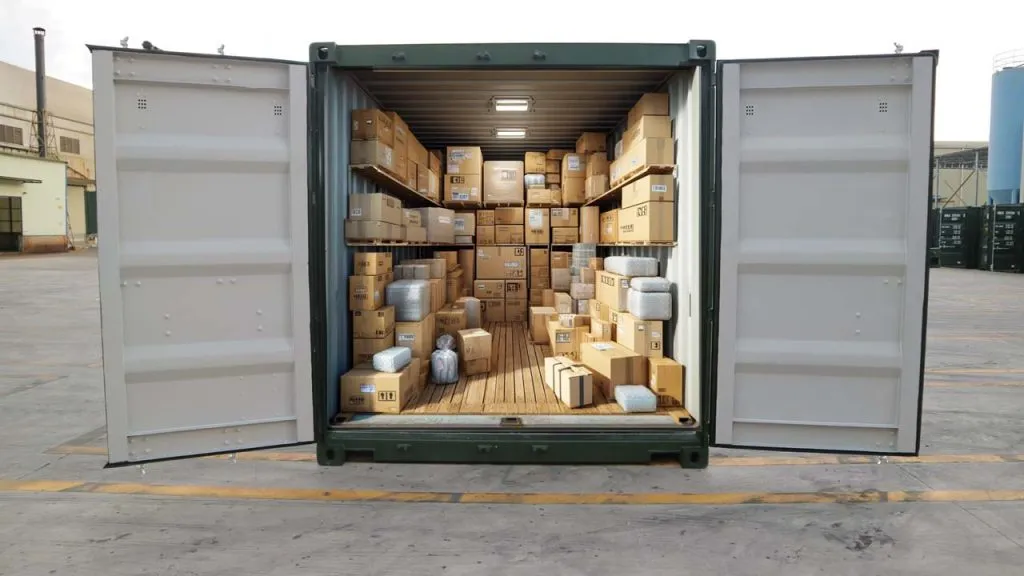
For importers, container handling is where paperwork turns into physical reality. A well-packed container can move smoothly from port to warehouse with minimal surprises, while a poorly packed one can create damage, delays, and messy receiving. Understanding the basic flow helps you plan labour, space, and timelines, and it also helps you ask better questions of logistics partners.
Many operations teams treat Container packing and unpacking as a defined process with clear checkpoints because that’s where issues are easiest to prevent and easiest to spot early.
What “packing” and “unpacking” actually cover
Container packing is the process of loading cargo into a shipping container in a way that protects the goods and keeps the load stable in transit. It can happen at a factory, a consolidation warehouse, or a freight forwarder’s facility. Packing is not just “filling space.” It includes weight distribution, securing, labelling, and documenting what went inside.
Unpacking is the controlled unloading of cargo at destination. Depending on the setup, this can occur at a depot, a third-party warehouse, or your own facility. Unpacking is often tied to receiving tasks like tallying quantities, checking for damage, and moving goods into storage or outbound staging.
Who is responsible at each stage
Responsibility varies by shipment type, contract terms, and whether goods are full-container-load (FCL) or less-than-container-load (LCL). In practice, there are a few common patterns:
- Supplier-managed packing: The exporter packs at origin, often with limited visibility for the importer beyond documents and photos.
- Consolidator-managed packing: Multiple shipments are combined into one container at a warehouse. This can be efficient but increases the need for clear labelling and load planning.
- Importer-managed unpacking: You unload at your warehouse, which gives you direct control over checks and inventory entry.
- Third-party unpacking: A warehouse or depot unloads and stages goods, often used to speed turnaround or when facilities have limited dock capacity.
Even when a third party is involved, importers benefit from understanding what “good” looks like, so they can set expectations and confirm outcomes.
What can go wrong and why it usually happens
Most container problems come from a short list of root causes:
Load shift
If cartons or pallets aren’t braced properly, movement during sea transit can crush product, collapse stacks, or jam the doors. Load shift also creates safety risk when opening the container.
Poor weight distribution
Heavy items placed high or unevenly can damage goods, stress packaging, and increase the chance of tipping during unloading.
Moisture and condensation
Temperature changes can cause “container rain,” leading to wet cartons, mould, rust, or label failure. Moisture controls need to be planned during packing, not after arrival.
Documentation mismatch
If packing lists don’t match what arrives, receiving takes longer, and disputes get harder to resolve. The first time you notice a mismatch should not be when the last pallet is already on the floor.
What importers should confirm before the container doors close
You don’t need to micromanage packing, but you do want consistent proof points. A simple pre-close routine reduces headaches:
- Accurate packing list with clear item descriptions and quantities
- Carton and pallet labelling that matches the documentation
- Photos during loading showing load sequence and bracing
- Seal number recorded and matched across documents
- Basic load integrity checks: no obvious voids, unstable stacks, or exposed edges likely to crush
These details can be the difference between a quick claim process and a dead end if damage appears later.
What a smooth unpacking process looks like
Unpacking should be treated like a controlled receiving operation, not a scramble. The better the setup, the less time the container sits waiting and the faster stock becomes available.
A practical unpack routine includes:
- A clear staging area so goods aren’t blocking docks or walkways
- Right equipment on hand: pallet jacks, forklifts, slip sheets, cutters, PPE
- A tally process: counting as you unload, not after everything is piled up
- Exception handling: segregate damaged or questionable goods immediately
- Evidence capture: quick photos of damage, packaging condition, and any load shift
If you’re tight on time windows, assigning roles helps: one person unloading, one counting and checking, one staging and moving.
Key documents that tie the physical and the administrative together
Container handling is where documents prove their value. Importers should ensure these align:
- Packing list: what was loaded, in what quantities
- Commercial invoice: what was sold and its declared value
- Bill of lading / sea waybill: the shipment contract and container details
- Delivery/order references: what your warehouse expects to receive
- Seal information: a simple but important integrity check
When receiving, keep documents accessible and make it easy to reconcile differences fast, especially if product needs to move onward quickly.
Practical ways to reduce delays and damage over time
The biggest improvements usually come from standardisation and feedback loops:
- Standardise packaging and pallet patterns where possible
- Ask for consistent loading photos and seal recording
- Track recurring damage types and feed that back to the packer
- Build a repeatable unloading plan with measured time targets
- Treat moisture controls as a packing decision, not a receiving surprise
Over time, these small controls reduce variability, which is what importers really want: predictable arrivals, predictable labour, and predictable stock availability.