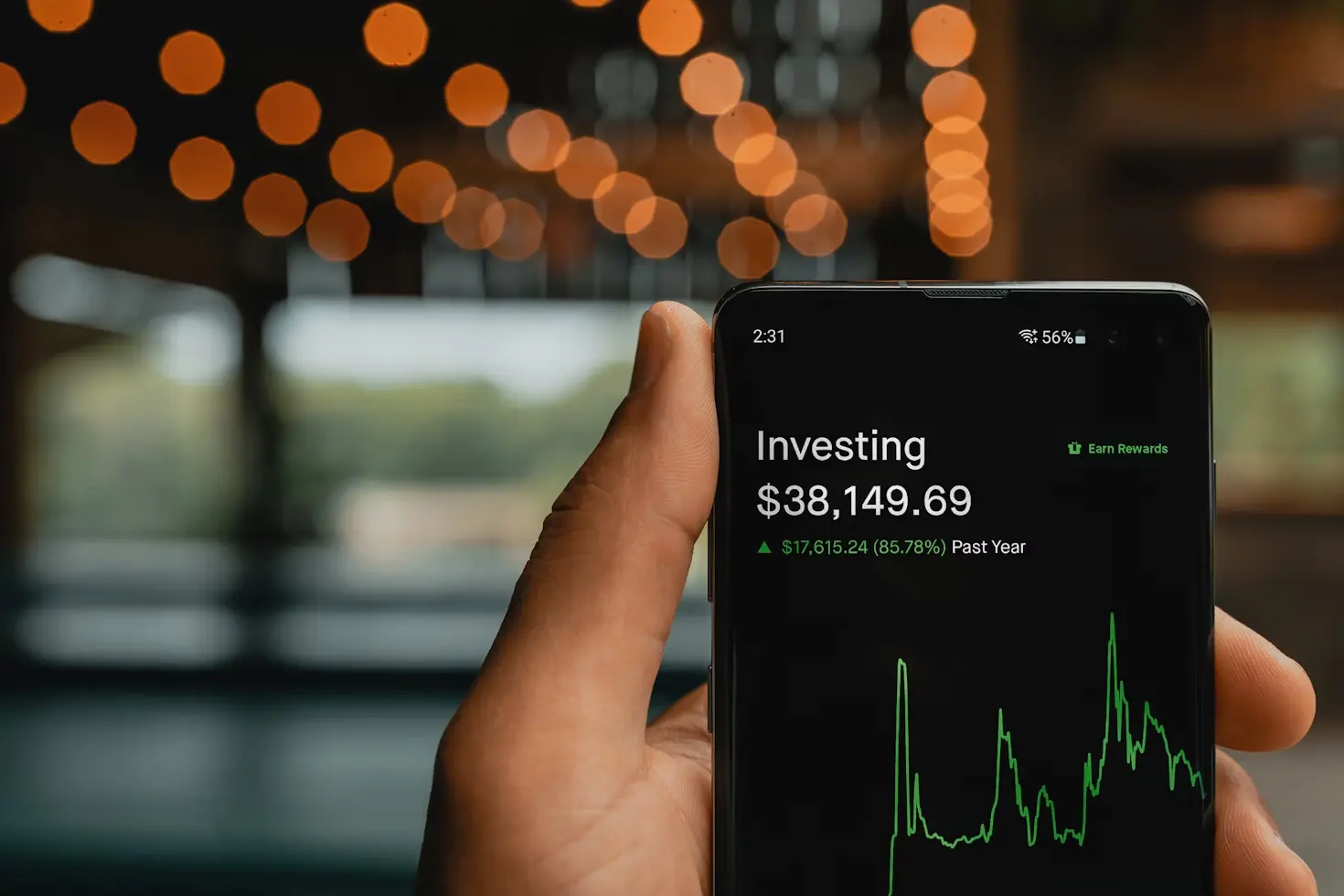


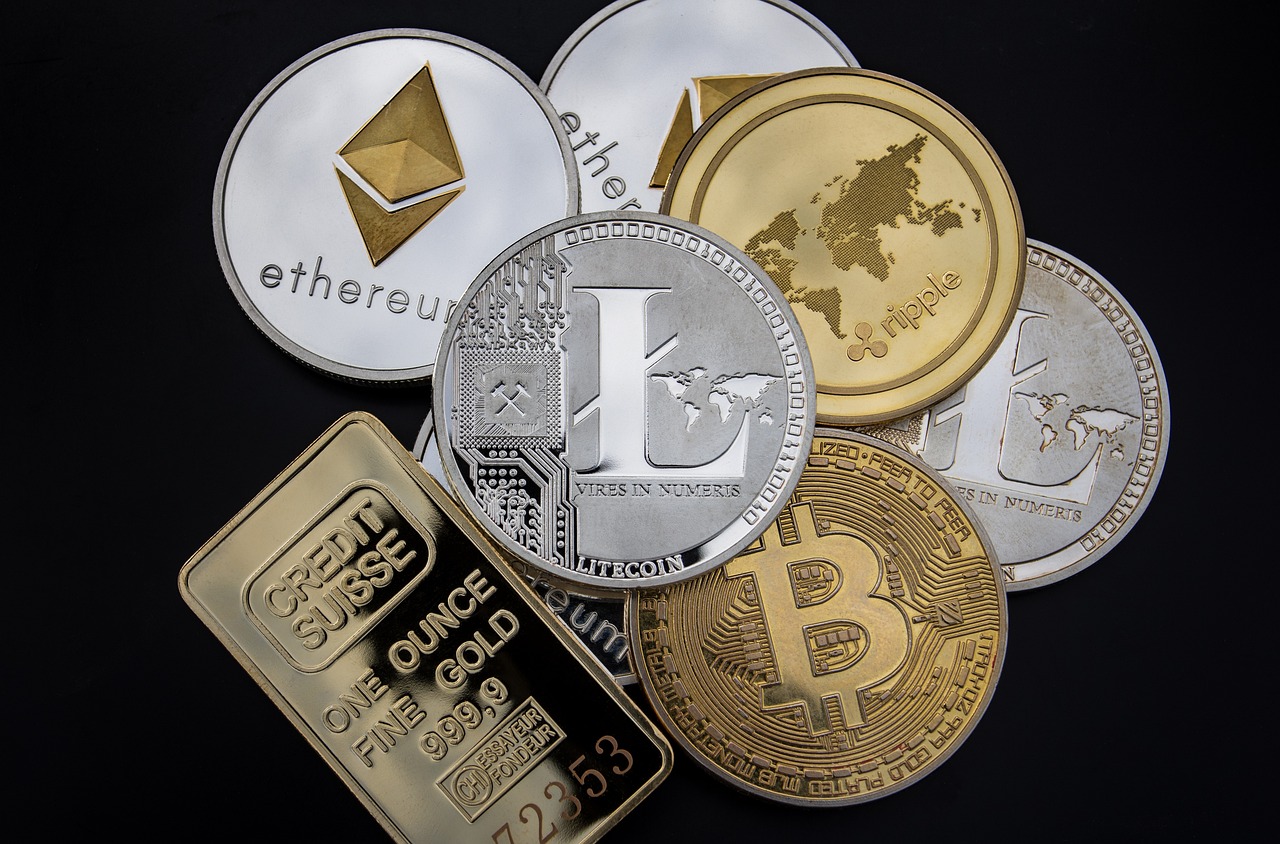



As we kick off 2026, the crypto world feels more alive than ever, with market caps soaring past three trillion dollars and new tech integrations popping up daily. Investors are eyeing opportunities amid regulatory shifts and blockchain upgrades, making it a prime time to rethink portfolios. Bitcoin still leads the pack, but emerging players like Solana are shaking things up with faster transactions and lower fees, drawing in developers and users alike.
Diving into investments requires smart navigation, especially with licensing hurdles in many regions. For those looking to dive deeper, companies like legalbison.com provide full support in obtaining cryptocurrency licenses such as VASP and FinTech, guiding clients through every step of the process. Their expertise helps smooth out the complexities, from initial applications to ongoing compliance, ensuring you stay on the right side of the law while building your crypto ventures.
The Evergreen King: Bitcoin and Ethereum
Bitcoin, often called digital gold, holds its throne with a market cap over 1.8 trillion dollars, serving as a store of value amid economic uncertainties. Its limited supply of 21 million coins fuels scarcity, and recent ETF approvals have brought in institutional money, pushing prices toward new highs. Ethereum follows closely, powering smart contracts and decentralized apps, with its shift to proof-of-stake slashing energy use and enabling staking rewards that attract long-term holders.
Stablecoins and Their Steady Role
Tether and USDC dominate the stablecoin scene, pegged to the US dollar for reliability in trading and remittances. Tether’s massive liquidity makes it a go-to for quick swaps, while USDC’s transparency appeals to cautious investors. They might not promise moonshots, but their role in hedging against dips keeps them essential, especially as DeFi platforms expand.
Exchange Tokens and Ecosystem Builders
BNB, tied to the Binance ecosystem, has evolved into a powerhouse for trading discounts and launchpad access, with its burn mechanism reducing supply over time. XRP focuses on cross-border payments, speeding up transfers for banks and cutting costs dramatically. Dogecoin, born from a meme, surprises with community-driven hype and endorsements, turning it into a cultural phenomenon with real utility in tips and microtransactions.
Layer-1 Contenders: Solana, Cardano, and Beyond
Solana stands out for its blistering speed, handling thousands of transactions per second at pennies each, making it ideal for gaming and NFTs. Cardano emphasizes research-backed development, with upgrades like smart contracts drawing in eco-conscious projects. TRON rounds out the mix, focusing on content sharing and low-cost dApps, appealing to creators in emerging markets.
How 2026 Stacks Up Against 2018’s Landscape
Back in 2018, the top ranks looked wildly different, with Bitcoin leading but followed by XRP, Ethereum, Bitcoin Cash, Cardano, Stellar, NEM, Litecoin, TRON, and IOTA.
Many of those early stars faded as scalability issues and hype bubbles burst. Bitcoin Cash splintered from Bitcoin but lost momentum, while NEM and IOTA struggled with tech hurdles and adoption. Stellar aimed at payments but couldn’t outpace XRP’s partnerships. Litecoin, once a silver to Bitcoin’s gold, slipped as faster alternatives emerged. TRON held on through entertainment focus, and Cardano’s deliberate pace kept it relevant. Ethereum climbed higher with its ecosystem growth, and XRP weathered legal storms to stay strong. The big shift? Newcomers like stablecoins USDT and USDC weren’t even in the picture then, reflecting the rise of practical use cases over pure speculation.
Infrastructure Powerhouses: SOL and BNB Shine Bright
Among survivors and risers, Solana and BNB emerge as true infrastructure leaders, building robust networks that support entire economies. Solana, launching in 2020, quickly became a hub for high-throughput apps, resisting outages better now with recent fixes and attracting billions in TVL for DeFi.
BNB, starting as an exchange token in 2017, expanded Binance Smart Chain into a low-fee rival to Ethereum, hosting thousands of projects and enabling seamless cross-chain moves. Unlike 2018’s flash-in-the-pan coins, these two prioritize real-world utility, from Solana’s mobile initiatives to BNB’s staking yields, proving endurance through market cycles.