
 By businessnewstips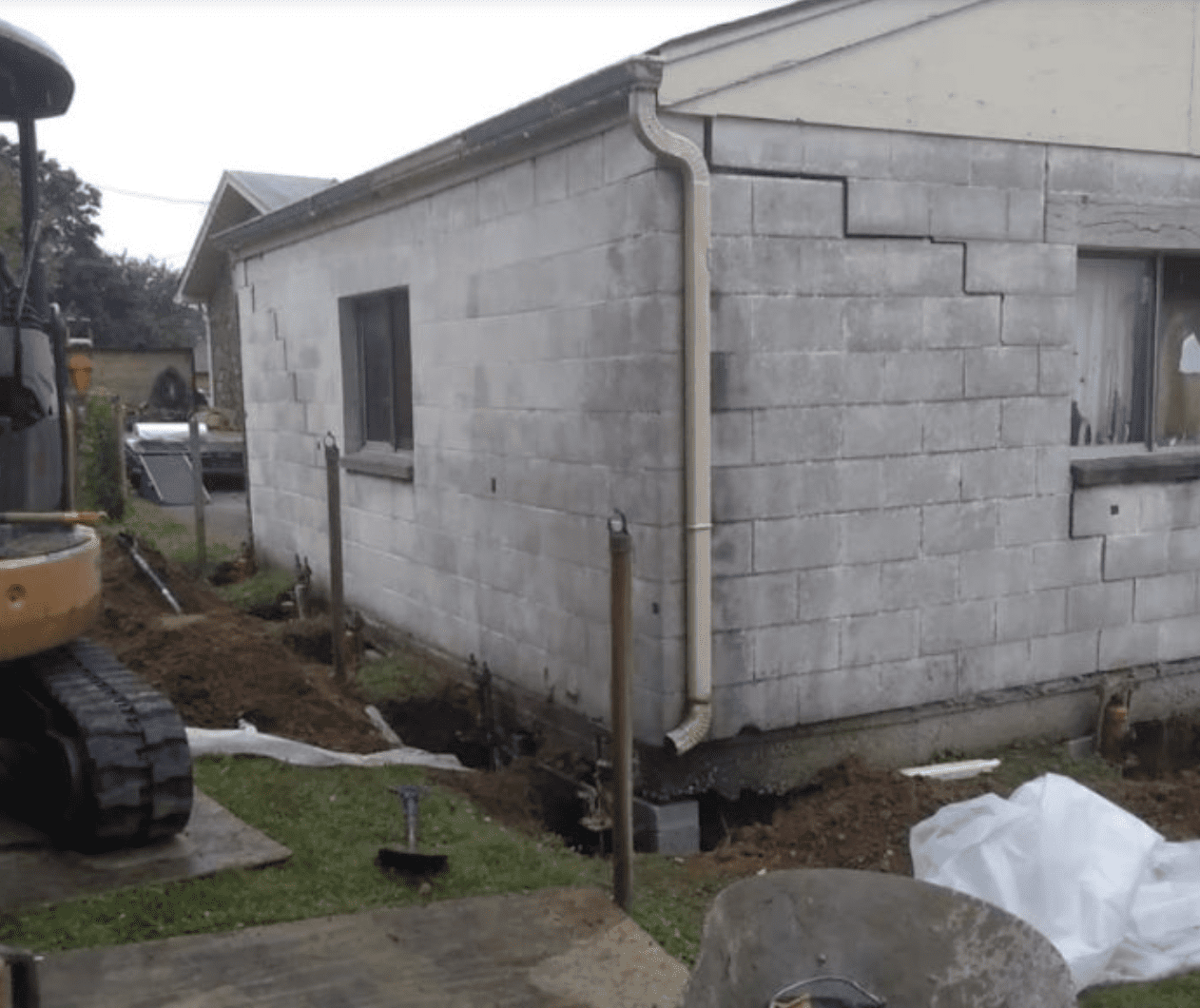
Foundation cracks often start out feeling harmless. A thin line along a basement wall. A small split near the corner of the floor. At first glance, they do not look serious. Many homeowners assume they are part of normal settling, especially in older homes where small imperfections are expected. Life goes on, and the crack becomes something you notice only occasionally.
Over time, though, that crack may start changing. It becomes longer. It widens slightly. Moisture appears nearby after heavy rain. That is usually the moment when homeowners begin searching for answers and eventually findfoundationrepairstpaulmn.com to better understand whether those cracks are cosmetic or signs of a deeper foundation issue that should not be ignored.
Why Foundation Cracks Appear In The First Place
Foundations are designed to support the weight of a home while resting on soil that naturally shifts over time. In St. Paul, seasonal changes play a major role in how foundations behave. Soil expands when it absorbs moisture and contracts during dry or freezing conditions. This constant movement places stress on foundation walls and slabs.
Concrete is strong but not flexible. When pressure builds unevenly, the concrete may crack to relieve that stress. These cracks are not always a sign of failure, but they are a signal that the foundation has responded to movement in the soil beneath or around it.
Understanding why cracks form helps homeowners see them as information rather than immediate emergencies.
Not All Foundation Cracks Are The Same
One of the most confusing parts of noticing foundation cracks is knowing which ones matter. Some cracks remain thin and stable for years. Others slowly widen or spread. The location, direction, and behavior of a crack can offer clues about what is happening beneath the home.
Vertical cracks may result from settling or shrinkage. Horizontal cracks often suggest pressure from surrounding soil. Stair-step cracks in block foundations can indicate uneven movement. Cracks that allow moisture through may signal both structural and waterproofing concerns.
Because cracks vary so much, Foundation Crack Repair is not about fixing every visible line. It is about understanding which cracks reflect movement that could continue or worsen.
How Moisture Makes Cracks More Concerning
Moisture and foundation cracks often go hand in hand. Even small cracks can allow water to enter during rain or snowmelt. Over time, repeated moisture exposure can worsen cracking by increasing pressure on foundation walls or weakening concrete surfaces.
In St. Paul, melting snow and seasonal rainfall can quickly saturate the soil. When water presses against cracked foundation walls, it can find pathways inside. That moisture may show up as damp spots, discoloration, or musty odors in the basement.
Moisture also increases the likelihood that cracks will grow, especially during freeze-thaw cycles when trapped water expands and contracts.
When Cracks Begin Affecting The Rest Of The Home
Foundation cracks do not always stay isolated in the basement. As the foundation shifts, other parts of the home may respond. Doors may begin sticking. Windows may become harder to open. Floors may feel uneven or sloped in certain areas.
These changes often happen gradually, making them easy to overlook. Homeowners may adjust doors or patch walls without connecting the dots back to the foundation.
When multiple symptoms appear together, they often point to a foundation movement that warrants closer inspection.
Why Cosmetic Repairs Often Do Not Last
A common experience for homeowners is repairing a crack only to see it return later. Patching or sealing can improve appearance and reduce minor moisture intrusion, but these fixes do not always address the underlying cause.
If the foundation continues to move due to soil pressure or settlement, new cracks may form nearby or old ones may reopen. This cycle can feel frustrating and leave homeowners unsure of what to do next.
Foundation Crack Repair focuses on stabilizing the foundation, so cracks stop changing. Once movement is controlled, surface repairs are far more likely to hold over time.
The Role Of Soil Conditions In St. Paul
Soil composition varies across St. Paul, and that variation influences how foundations perform. Some soils hold water longer, increasing pressure against foundation walls during wet periods. Others dry out quickly, reducing support beneath the foundation.
When soil behaves unevenly, the foundation responds. That response may show up as cracking, settlement, or wall movement. These conditions are not always visible from outside the home, which is why cracks inside the basement often provide the first clues.
Understanding soil behavior helps explain why Foundation Crack Repair is sometimes necessary even in homes that appear well built.
Why Timing Matters With Foundation Crack Repair
Cracks rarely improve on their own. In many cases, they slowly worsen as seasons change and soil continues to move. Waiting too long to address cracks can allow moisture intrusion, structural stress, and interior damage to increase.
Addressing cracks earlier often provides more options. Stabilizing the foundation before cracks widen or spread can help limit repair scope and protect the rest of the home. Early action also reduces uncertainty, replacing guesswork with clarity.
Timing is not about panic. It is about understanding when cracks are stable and when they are actively changing.
Foundation Crack Repair As Preventive Care
Not all foundation repairs are reactions to major damage. In many cases, crack repair is preventive. Stabilizing the foundation and sealing cracks before they worsen helps protect structural integrity and indoor conditions.
Preventive repair can help preserve basement usability, protect stored items, and maintain indoor air quality. It also helps homeowners feel more confident about their home’s condition, especially during seasonal weather changes.
Seeing Foundation Crack Repair as part of responsible home care rather than an emergency can change how homeowners approach the process.
Every Foundation Tells Its Own Story
No two homes experience foundation cracking in exactly the same way. Age, construction methods, soil conditions, and drainage all play a role. Some homes develop a few stable cracks that never change. Others experience progressive movement that affects multiple areas.
Because of this, Foundation Crack Repair is not a one-size-fits-all solution. Effective repair starts with understanding how a specific foundation has responded to its environment over time.
That understanding allows homeowners to make informed decisions rather than reacting out of fear or frustration.
The Emotional Side Of Foundation Concerns
Even small foundation cracks can create stress. Homeowners worry about safety, cost, and whether problems will worsen. That uncertainty can weigh heavily, especially when symptoms seem to change with the seasons.
Gaining clarity about foundation cracks helps reduce that stress. Knowing what is happening and why allows homeowners to plan rather than worry.
Sometimes, understanding the issue is just as valuable as the repair itself.
Moving Forward With Confidence And Stability
From the experience of St. Paul Foundation Repair & Waterproofing, many homeowners feel relieved once they understand what their foundation cracks mean and how to address them. Foundation Crack Repair is not just about fixing concrete. It is about restoring confidence in the home.
When cracks stop changing and moisture is controlled, everything above the foundation feels steadier. Floors feel more level. Walls stop shifting. The home feels predictable again.
In the end, foundation cracks are a message from the structure beneath the home. Listening to that message and responding thoughtfully helps protect both the home and the peace of mind of those living in it.