
 By businessnewstips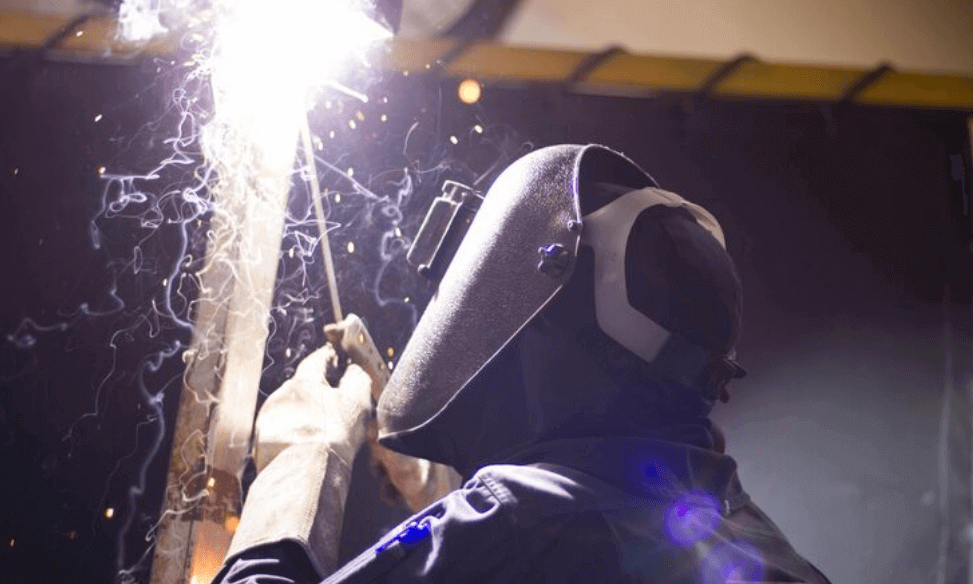
“Welding” can mean very different things depending on what you’re joining. For metal fabrication, people often think of arc-based processes like MIG, TIG, or stick welding. In pipe and infrastructure work, you may also hear about fusion welding, which is commonly used for certain plastic pipe systems. When teams are deciding what process fits the job, they often start by comparing welding equipment and what each setup is designed to do.
The key is that fusion welding and traditional metal welding solve different problems. They use different materials, different tools, and different quality controls, even if the end goal sounds similar: a strong, reliable joint.
What “fusion welding” means in plain English
Fusion welding, in the context of many pipe applications, generally refers to joining thermoplastic pipes by heating and pressing them together so they become one continuous piece. Instead of melting a filler wire into a metal joint, you’re softening the pipe ends (or fitting surfaces) until they reach the right temperature, then fusing them under controlled alignment and pressure.
Common fusion methods used in pipe work include:
- Butt fusion: two pipe ends are heated and pressed together
- Electrofusion: a fitting with a built-in heating element melts the surrounding pipe surface to create the joint
The strength of the join comes from correct preparation and controlled parameters. If the surfaces are clean, properly aligned, and fused at the right temperature and time, the joint can be extremely robust for its intended use.
How fusion differs from MIG, TIG, and arc welding
Traditional welding processes like MIG, TIG, and stick welding are primarily used to join metals. They rely on an electric arc to create very high heat, melting the base metal and often a filler material to form a weld bead. That bead becomes the joint once it cools and solidifies.
Fusion welding for thermoplastic pipes is different in a few important ways:
Material:
- MIG/TIG/arc: metals (steel, aluminium, stainless, etc.)
- Fusion: thermoplastics (often in piping contexts), where heat softens the material rather than creating a metal weld pool
How the joint forms:
- MIG/TIG/arc: a molten pool forms and solidifies, often with filler material
- Fusion: the surfaces melt to a controlled depth and fuse into a continuous structure, usually without an added filler rod
Skill and controls:
- Metal welding depends heavily on operator technique (travel speed, arc length, torch angle, heat input)
- Fusion depends heavily on preparation and process control (surface prep, alignment, temperature, fusion time, cooling)
Failure patterns:
- Metal welding issues may show up as porosity, lack of fusion, cracking, or undercut
- Fusion issues may show up as poor fusion from contamination, misalignment, incorrect heating cycles, or disturbed cooling
Both require training and discipline, but the “success factors” are not the same.
Why fusion is used for certain pipe materials and join types
Fusion is widely used in pipe systems where the pipe material is designed for it and where a continuous, leak-resistant join is needed. In these systems, fusion can create a joint that is effectively as strong as the pipe itself, because the connection is not just mechanical. It becomes a unified material interface.
Fusion is also practical because it:
- Avoids open flame in many scenarios (depending on method), which can be beneficial on sensitive sites
- Produces consistent joints when procedures are followed
- Suits long runs of pipe and repeatable joins, especially in utility and industrial settings
That said, it’s not a universal replacement for metal welding. Metal systems still rely on metal welding or mechanical connections, and each system has standards and best practices for where it should be used.
Safety and quality: what matters for both approaches
Both fusion and traditional welding can fail when shortcuts happen, and both carry safety risks.
For fusion work, common risk areas include:
- Burns from heaters and hot fittings
- Poor ventilation in enclosed areas if other site activities create fumes
- Trip hazards and handling risks around pipe lengths and equipment
- Joint failures caused by contamination, rushed cooling, or poor alignment
For metal welding, common risk areas include:
- Arc flash and burns
- Fire hazards from sparks and hot work
- Fume exposure and inadequate ventilation
- Electrical risks and hot metal handling
In both cases, the safest and most reliable outcomes come from trained operators, correct PPE, controlled work zones, and quality checks that match the material and method.