
 By businessnewstips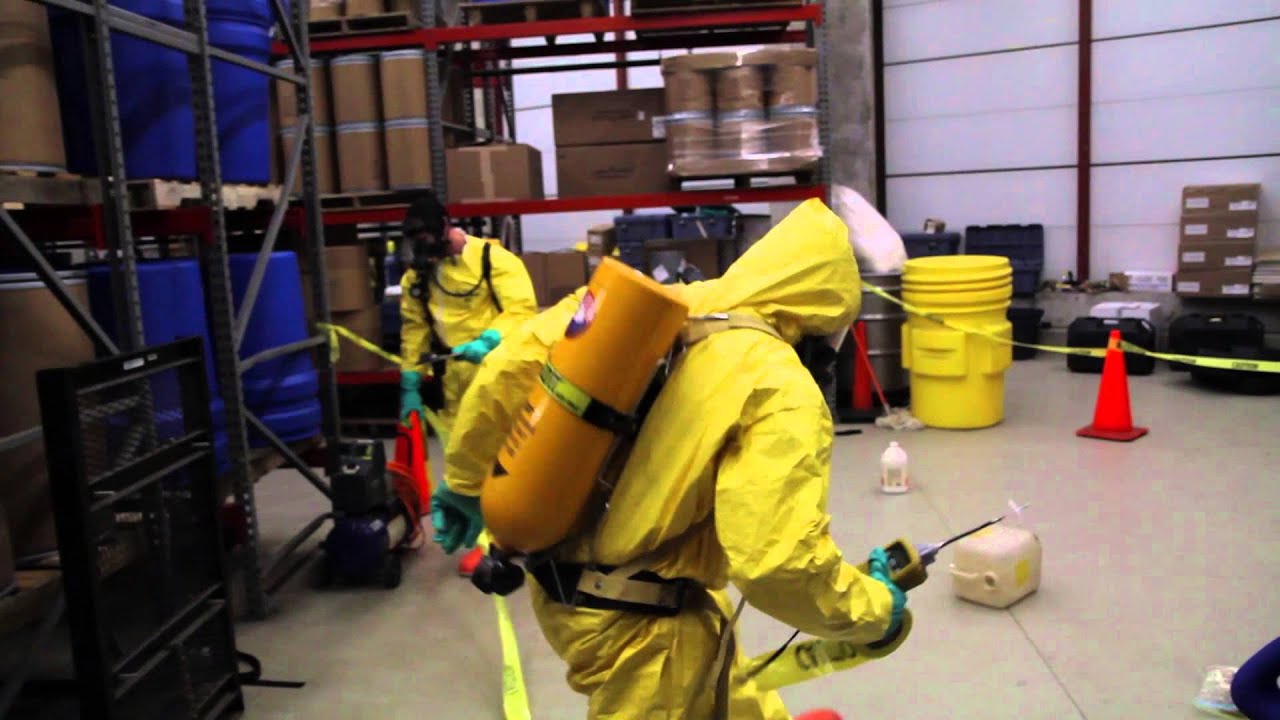
“Hazmat” is short for hazardous materials, substances that can harm people, property, or the environment if they are handled incorrectly. That can include obvious threats like chemical spills, but it also covers less visible risks such as contaminated absorbents, fuel-soaked soil, or residues left behind after an incident. The main difference between a nuisance mess and a hazmat problem is risk: exposure, spread, and disposal rules change the moment hazardous materials are involved.
That is why searches like hazmat environmental services tend to come up when someone needs safe cleanup and compliant disposal, not general cleaning. When the material, location, or regulatory requirements raise the stakes, specialised response helps reduce harm and limit liability.
What counts as “hazmat” in practical terms
Hazmat can include many everyday materials when they are in the wrong place, the wrong amount, or mixed with other substances. Common examples include:
- Chemicals and solvents used in workshops, manufacturing, or cleaning
- Fuel and oil from tanks, vehicles, generators, or machinery
- Contaminated waste such as rags, absorbent pads, PPE, or debris exposed to a hazardous substance
- Unknown residues after fires, floods, storms, or industrial incidents
- Batteries and e-waste components that contain corrosive or toxic materials
Sometimes the hazard is not the substance itself but the way it has spread. A small drum leak in a bunded area is very different from the same leak reaching soil, drains, or waterways.
Situations that typically require specialist involvement
Many organisations only discover they need hazmat support when a situation escalates beyond “wipe it up and move on.” Common triggers include:
Chemical spills: Even minor spills can become dangerous if the chemical is corrosive, reactive, or produces harmful vapours. Risk increases quickly in enclosed spaces or around ignition sources.
Fuel leaks: Petrol, diesel, and hydraulic fluids can contaminate surfaces and soil, create slip and fire hazards, and migrate into drains. Fuel odours lingering after a cleanup attempt can signal that contamination remains.
Contaminated waste and debris: Cleanup materials used to absorb a spill often become regulated waste. Disposing of it like ordinary rubbish can create compliance issues and environmental harm.
Post-storm or incident residues: Floodwater can carry contaminants into buildings and storage areas. Storm damage can expose unknown materials, mix chemicals, or spread waste across a site.
A useful rule is this: if you cannot confidently identify the material, control the spread, and dispose of it appropriately, it is time to treat it as a specialist job.
What a typical hazmat response looks like
While every incident is different, most professional hazmat work follows a structured process designed to control risk and document outcomes.
1) Assessment and containment
The first goal is to reduce exposure and prevent further spread. This often involves isolating the area, identifying the material where possible, and setting boundaries that keep people and runoff away from hazards.
2) Safe handling and removal
Specialised equipment and procedures are used to collect liquids, contaminated debris, and affected materials. The approach depends on the substance and the surface it has reached. The key is controlled removal, not just making the area look clean.
3) Decontamination and verification
Decontamination may include cleaning, neutralising, or removing affected materials to reduce risk to an acceptable level. In some cases, verification steps are needed to confirm the area is safe for normal use, especially in workplaces or public-facing sites.
4) Disposal and documentation
Hazardous waste usually needs specific transport and disposal pathways. Documentation matters because it shows what was collected, how it was handled, and where it went. For many businesses, that paper trail is as important as the physical cleanup.
Why specialised handling exists, and what not to do
Hazmat rules and procedures exist for good reasons: protecting health, preventing environmental contamination, and ensuring hazardous waste is tracked and disposed of properly. The biggest risks often come from well-intentioned shortcuts.
Common mistakes include:
- Washing spills into drains or hosing down contaminated areas
- Mixing chemicals during cleanup, which can create toxic reactions
- Using the wrong absorbents or failing to isolate the spread
- Disposing contaminated materials in general bins or skips
- Ignoring vapours and focusing only on visible residue
If there is any chance of harmful exposure or environmental release, treat the situation as a safety issue first and a cleaning issue second. Hazmat environmental response is ultimately about controlling risk and restoring a site responsibly, not just removing stains.