
 By businessnewstips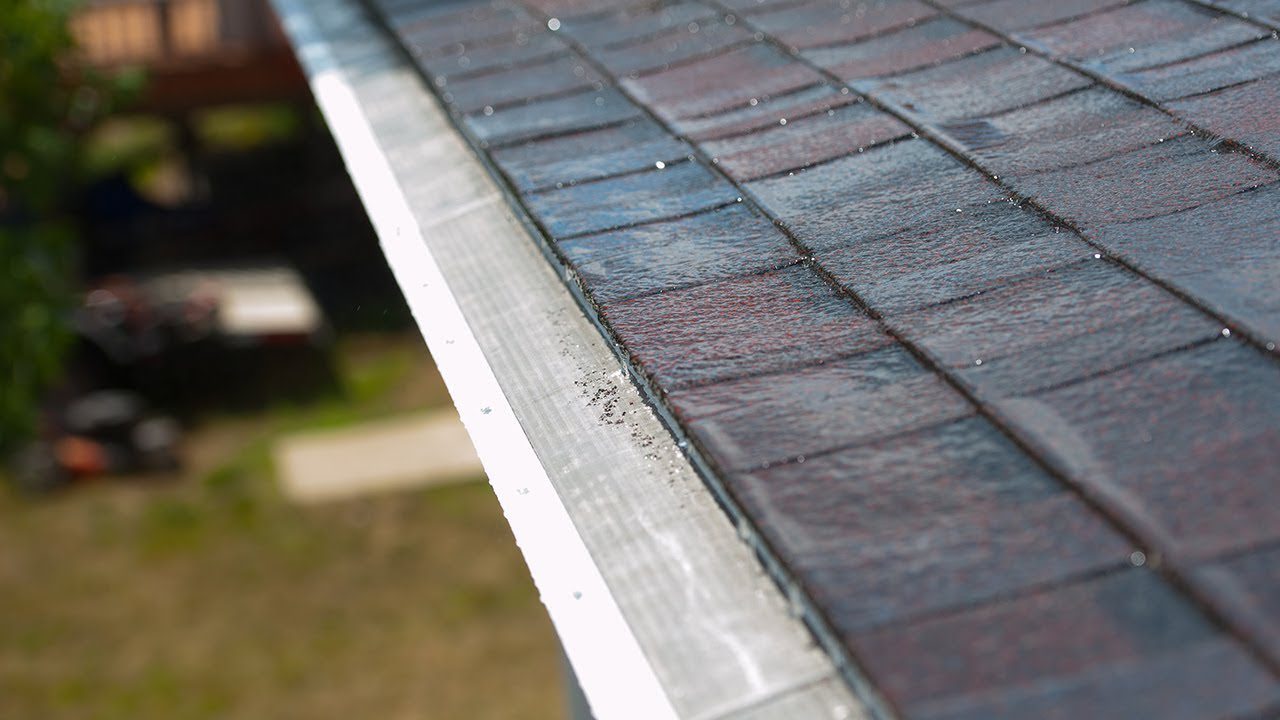
Gutters are simple in theory: catch water from the roof and move it safely away from the house. In practice, they also catch everything else. Leaves, seed pods, roof grit, and even nesting material can collect over time and create a slow-moving dam that turns “drainage” into “overflow.” Leaf guards are designed to reduce that problem by blocking debris while still letting rainwater reach the gutter and downpipes.
A good way to think about leaf guards is as a filter and traffic controller at the roof edge. Instead of letting debris pile up inside the gutter, the guard aims to keep most of it out in the first place, so water has a cleaner path where it needs to go.
The core principle: let water in, keep debris out
Most leaf guards work by creating a barrier with openings sized to admit water but reject larger debris. Rainwater hits the guard and either passes through (in a mesh or screen system) or follows a guided path into the gutter (in surface-tension or “hood” styles). Leaves and twigs are stopped at the top and ideally shed off the edge by wind, gravity, or the next downpour.
Two realities matter here. First, water moves differently depending on rainfall intensity, roof pitch, and how it sheets off the roof surface. Second, debris is not uniform. Broad leaves behave differently than pine needles, blossom drop, or gritty roof sediment. So “how leaf guards work” is less about one magic trick and more about selecting a design that matches your roof and the kind of debris you actually get.
Common leaf guard styles and what they’re best at
You’ll typically see four broad categories in the wild:
- Mesh or micro-mesh: A fine metal mesh sits over the gutter, allowing water through while blocking most leaves and many small particles. Finer mesh can be better for small debris, but it can also collect a film of grit over time depending on conditions.
- Perforated screens: These use punched holes rather than woven mesh. They often handle larger leaves well, but very small debris can still pass through.
- Brush or foam inserts: These sit inside the gutter and reduce clogging by interrupting debris buildup. They can be useful in some scenarios, but they may trap fine debris and can require more hands-on cleaning than homeowners expect.
- Surface-tension or hooded guards: These cover the gutter and use a curved edge to guide water around into the gutter while leaves slide past. They can work well in some setups, but performance can be sensitive to roof edge geometry and rainfall patterns.
No system is perfect in every environment. The “best” option is usually the one that balances how much debris you get, how your roof sheds water, and how much maintenance you’re realistically willing to do.
Why fit and roof-edge details make or break performance
Leaf guards can fail even when the product itself is solid, simply because the roofline details were not accounted for. A few common issues:
- Gaps at the ends or joins: Tiny openings can become entry points for debris, which then accumulates underneath the guard.
- Poor alignment with the roof edge: If water overshoots the guard during heavy rain, you get overflow. If the guard sits too low, debris can sneak in.
- Valleys and high-flow zones: Roof valleys dump large volumes of water in concentrated streams, which can overwhelm certain designs if not planned for.
- Downpipe capacity: Even with clean gutters, undersized or partially blocked downpipes can create backups.
This is why it helps to treat leaf guard installation as a careful fitment job, not a simple add-on. When you’re looking into it, focus on whether the approach accounts for roof pitch, gutter size, valley areas, and how water actually moves during a downpour, not just how it looks on a calm day.
What leaf guards do not eliminate: checks and light maintenance
Leaf guards can reduce how often you need to clean gutters, but they rarely remove maintenance entirely. Instead, they shift the work from “scoop decomposing sludge out of the gutter” to “do quick checks and clear the occasional trouble spot.”
A sensible routine is simple:
- After big storms, glance along the roof edge for visible buildup.
- Pay attention to valleys and corners where debris tends to gather.
- Make sure downpipes are flowing freely, since they are the final bottleneck.
- Watch for overflow lines on fascia or staining on walls, which can signal a flow problem.
If you treat leaf guards as a system that still needs periodic inspection, they can be a practical way to keep rainwater moving where it should and reduce the repetitive cycle of blockages and cleanouts.