
 By businessnewstips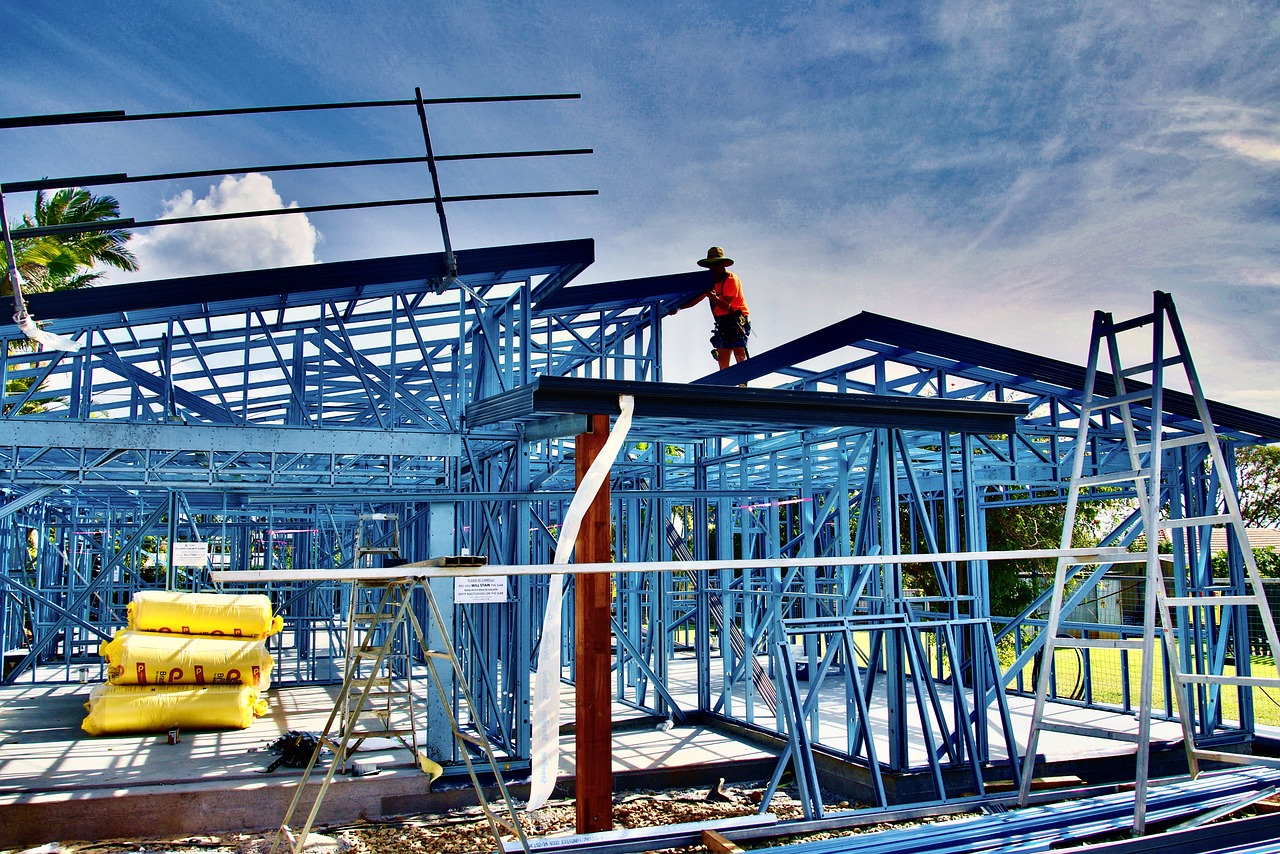
Prefabricated steel buildings are shaking up the construction world faster than a jackhammer at sunrise. These modern marvels aren’t just winning fans for their price tags and warp-speed assembly – they’re also giving Mother Nature a much-needed high-five. With waste trimmed down to a minimum and sustainability baked into every beam, prefab steel is cutting old-school building methods down to size.
Today, we’re pulling back the curtain on how these steel wonders make the planet greener, from the first spark at the factory to decades of sturdy service. If you’re dreaming about smart, eco-friendly construction, keep reading – you’ll want these facts in your tool belt!
The Environmental Edge of Prefab Steel
Let’s get right into it: prefab steel buildings are environmental overachievers, mostly thanks to their clever manufacturing and superstar material. Conventional construction is notorious for leaving behind more mess than a toddler with finger paint, but prefab flips the script. Everything is made in a factory, measured so precisely that you could set your watch by it, slashing scraps and excess to almost nothing.
Reduced Material Waste
In the prefab world, steel pieces are laser-cut with the precision of a master chef slicing sashimi. Leftovers don’t loaf in a landfill – they head straight back into the manufacturing pot to be reborn as something shiny and new. On the flip side, old-fashioned sites are often swimming in tossed-out wood and crumbled concrete, which are about as easy to recycle as a soggy pizza box. Most of it ends up in the local landfill’s greatest hits collection.
The Power of Recyclability
Steel is the ultimate comeback kid. Melt it, mold it, mash it – no matter how many lives it’s lived, it never loses strength. This infinite recyclability slashes demand for new iron ore and spares the world some serious mining drama. Every time steel completes another cycle, the Earth breathes a little sigh of relief.
A Lower Carbon Footprint
Prefabrication doesn’t just save waste – it also spares energy. Factories run like clockwork, using less juice than a sprawling construction crew with tools blazing in all directions. Since steel parts are lighter than most of their traditional cousins, shipping them burns less fuel, too. Add it up, and your project’s carbon footprint is shrinking faster than last season’s fashion trends.
Prefab Steel vs. Traditional Construction
Stack prefab steel up against timber and concrete, and the difference is crystal clear. Traditional building wastes so much material, you’d swear “landfill” was written into the blueprints. Blame it on imprecise cuts, bad measurements, and weather turning supplies into mush.
High-capacity warehouse steel buildings don’t play that game. Precision engineering means everything arrives measured, protected, and ready for action – no waste, no weather woes. Build time shrinks, so neighborhoods get peace and quiet sooner. Plus, steel is tough as nails, cutting down on repairs and replacements for years to come. That’s long-term resource savings you can brag about.
Building a Sustainable Future
Bottom line: prefabricated steel buildings are eco-warriors in a hard hat. By cutting waste, living the recycling dream, and dialing down carbon emissions, they’re the answer for anyone looking to build smart and build green. As the world leans harder toward sustainability, prefab steel is fast becoming the construction industry’s MVP. So if you want your next project to stand the test of time – and give the planet a break – you know what material to pick.