
 By businessnewstips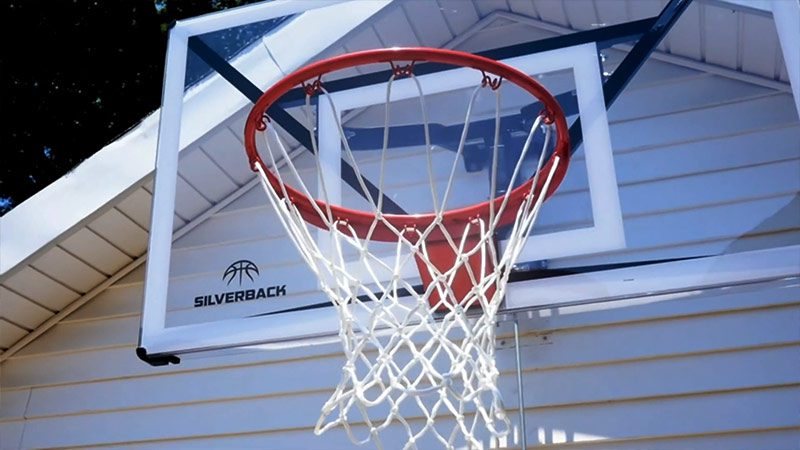
Buying a basketball hoop sounds simple until you realise how many designs are aimed at very different spaces and play styles. A hoop that’s perfect for kids shooting after school might feel shaky for teen training, while a heavy-duty setup can be overkill for a small driveway. Most people start by scanning a broad range of basketball hoop options to understand what formats exist, then narrow down based on space, stability, and how the hoop will actually be used.
Step 1: Match the hoop type to your space
The first decision is the mounting style, because it dictates stability, footprint, and how permanent the setup will be.
Portable hoops sit on a weighted base and can be moved. They’re popular for driveways and rentals, but stability depends on base size, fill capacity, and pole design. If you need flexibility or can’t dig footings, portable is often the most practical option.
In-ground hoops are set into a concrete footing. They’re usually the most stable and “game-like” for home use, especially for regular shooting practice. The trade-off is installation effort and the fact that you’re committing to one location.
Wall-mount hoops attach to a solid wall or structure. They can work well in tight spaces because there’s no base on the ground, but you’ll need a strong mounting surface and enough clearance for safe play and ball rebound.
A quick reality check helps: measure the available width, confirm the play area is flat, and think about where missed shots will go. Space planning prevents most buyer’s regret.
Step 2: Choose the right backboard size and material
Backboard size affects the “forgiveness” of bank shots and how realistic the hoop feels. Larger backboards tend to feel closer to a court setup, but they also require more space and can catch wind outdoors.
Materials matter for feel and durability:
- Polycarbonate is tough and budget-friendly, often used for casual play. It may not give the crisp rebound feel of higher-end boards.
- Acrylic is a middle ground with better rebound response and a more premium look.
- Tempered glass provides the most authentic rebound and is common in serious training or high-end home setups, but it’s heavier and usually paired with stronger supports.
If your goal is family play and convenience, you may prioritise durability and ease. If the hoop is for repeated skill work, rebound consistency becomes more important.
Step 3: Pay attention to stability and pole design
Stability is what separates a fun hoop from a frustrating one. For portable models, look beyond the headline and consider what keeps it steady.
A larger base that holds more water or sand usually helps. A wider stance and stronger pole reduce shake. Pole design can also matter: some designs reduce vibration better than a single thin pole, especially when play gets faster or more physical.
For in-ground setups, stability depends on footing depth, post strength, and how well the system is installed. Even an excellent hoop can feel poor if the footing is underbuilt.
Step 4: Decide on height adjustment and who will use it
If kids will use the hoop now and teens later, adjustability is a big value feature. The most useful systems allow changes without tools and make it easy to set a consistent height for practice.
Think about:
- Adjustment range: Will it go low enough for younger players and still reach regulation height?
- Ease of use: Can one person adjust it safely?
- Locking and safety: Does it stay put once set?
If the hoop will rarely change height, a fixed-height design can be simpler and, in some cases, sturdier.
Step 5: Don’t ignore the rim and “play feel”
Rims vary more than people expect. A basic rim can work fine for casual shooting, but heavier use benefits from stronger construction.
A breakaway rim uses a spring mechanism that gives under force, which helps protect the backboard and provides a more court-like feel. Even if dunking isn’t a priority, a better rim can handle high-energy play and reduce long-term wear.
Also consider the net and hardware quality. Small parts and fasteners take a beating outdoors, and a little sturdiness here can prevent recurring maintenance.
Step 6: Plan for outdoor durability and maintenance
If your hoop will live outside, durability isn’t just about rust. It’s about how the whole system handles weather and time.
Look for corrosion-resistant finishes, protected moving parts, and an approach to simple upkeep: tightening bolts, checking the base, cleaning the backboard, and inspecting the rim mount. If you’re coastal, prioritise materials and coatings that can better tolerate salty air.
Assembly is another practical factor. A hoop that’s well designed but painful to assemble can still be the wrong choice if you’ll be doing it without help.
Step 7: Use a short checklist before you buy
Before committing, run through a quick checklist:
- Where will it go, and is there enough safe clearance?
- How permanent should it be?
- What backboard size fits your space?
- Does the stability match the intensity of play?
- Is height adjustment easy and safe for your household?
- Is the rim suited to how it will be used?
- What maintenance will you realistically do over time?
This keeps the decision grounded in use, not just specs.