
 By businessnewstips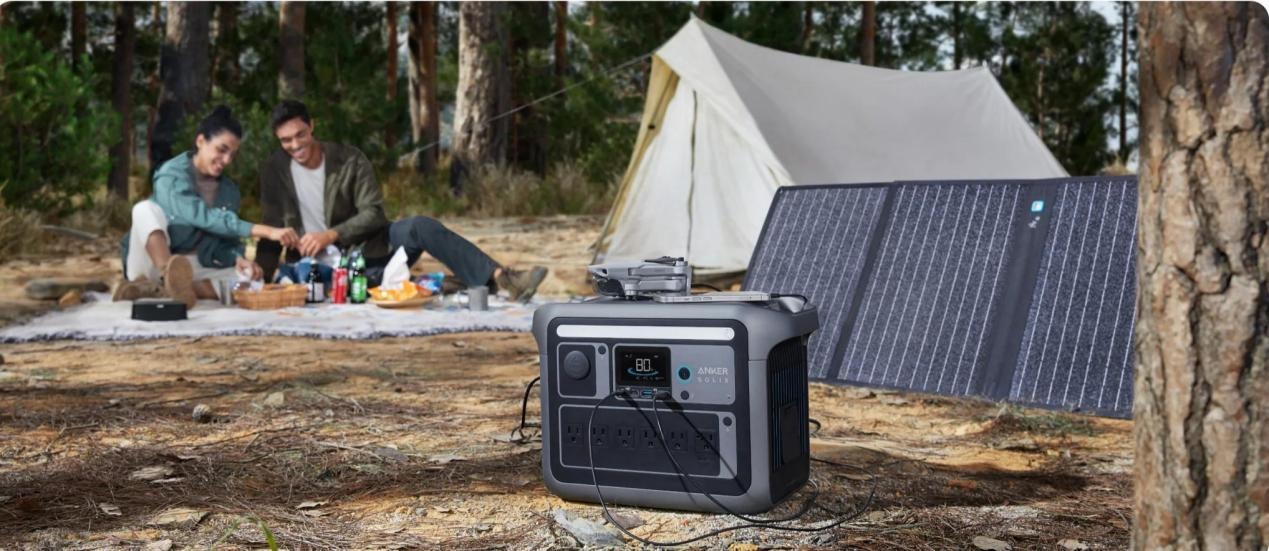
Wildlife photography demands reliable power because once-in-a-lifetime moments rarely wait for a battery swap. Long days in vehicles, limited access to outlets, and constant camera use can drain power faster than expected. Planning ahead ensures that equipment remains ready from sunrise game drives to evening wildlife sightings. A layered charging strategy reduces stress and allows full focus on photography rather than battery percentages. Simple preparation steps make a noticeable difference in both convenience and reliability. In this article, practical and realistic ways to keep a camera charged throughout a safari will be explained.
1. Build a Multi-Layer Power Supply
Core Layer: Carry at Least 3-4 Camera Batteries
Extra camera batteries form the foundation of any safari power plan. Wildlife activity often peaks in the early morning and late afternoon, which means cameras stay active for long stretches. Swapping batteries is faster and more reliable than waiting for a single unit to recharge. Multiple batteries also reduce the risk of missing a shot due to unexpected drain in cold mornings or heavy burst shooting. Labeling batteries helps rotate usage evenly and track which ones need charging. This simple step provides peace of mind and keeps the camera ready for sudden action.
Backup Layer: Use a High-Capacity Portable Power Bank
A high-capacity power bank acts as a bridge between wall outlets and camera batteries. During long drives, it can recharge batteries through a USB-compatible charger or power other essential electronics. This backup becomes especially useful when lodge outlets are limited or shared among many guests. Keeping the power bank topped up each night ensures it can support charging during the following day. Models with multiple output ports allow more than one device to charge at once. This layer adds flexibility and helps manage energy between morning and evening sessions.
2. Establish a Daily Recharging Routine
Recharge All Batteries Overnight from Lodge Power
Even when power is available at a lodge, charging opportunities may be brief or crowded. Plugging in batteries as soon as returning from an evening drive maximizes charging time. A small power strip can help charge multiple devices from a single outlet if space allows. Keeping gear organized in one charging area prevents leaving items behind during early departures. Checking charge levels before sleep avoids surprises the next morning. Consistency in this routine builds a reliable daily energy cycle.
Use a Power Bank to Top Up Batteries During Game Drives
Game drives often include quiet periods when animals are resting, making them ideal for discreet charging. A power bank stored in a camera bag can connect to a battery charger while traveling between locations. This method turns travel time into useful charging time without interrupting photography. Short top-ups can make a big difference over the course of a full day outdoors. Cables should be secured to avoid tangling or accidental unplugging. These small habits help stretch available power until returning to camp.
3. Deploy Solar as a Safety Net
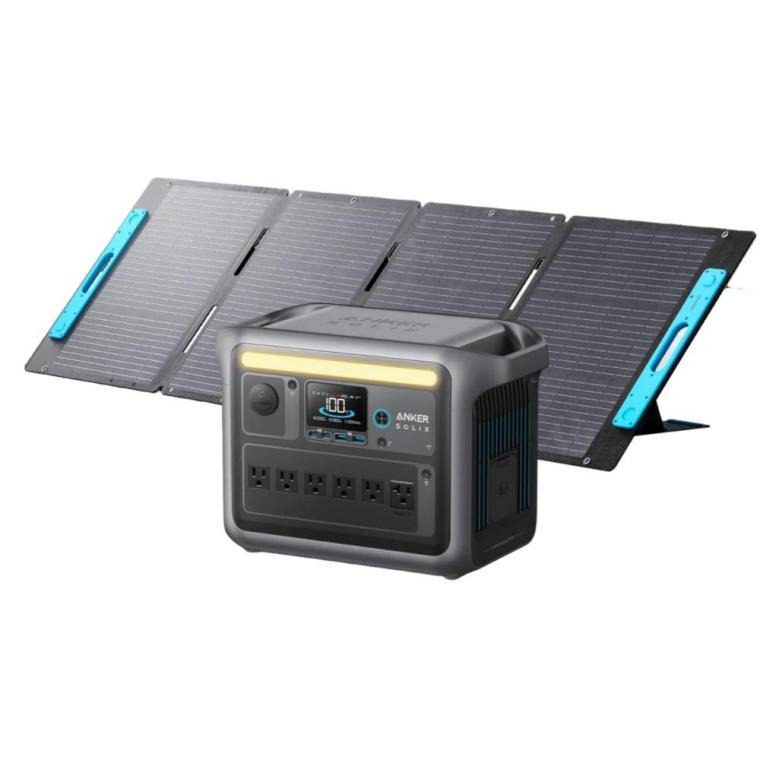
Solar charging provides an extra layer of security when traditional power sources are unavailable. Portable panels can collect energy during midday breaks, especially when vehicles are parked in open sunlight. When paired with a compact unit such as an anker solix solar battery pack, the stored energy can later recharge camera batteries or power banks in the evening. Systems built with long-life battery chemistry and stable output are particularly helpful in remote environments where reliability matters. This approach turns abundant daylight into backup power without noise or fuel. As a safety net rather than a primary source, solar adds resilience to the overall charging plan.
4. Optimize Gear for Power Efficiency
Use Airplane Mode on GPS-Enabled Cameras
Many modern cameras include wireless features that quietly drain power in the background. Turning on airplane mode disables Wi-Fi, Bluetooth, and GPS connections when they are not needed. This small adjustment can noticeably extend battery life over a full shooting day. GPS tagging may be useful, but it can be turned on briefly only when required. Reducing background activity ensures more energy is reserved for actual photography. Efficient settings help every battery last longer in the field.
Shoot in Bursts and Minimize Video Playback
Constantly reviewing photos or recording long video clips consumes more power than many photographers expect. Limiting image playback to essential checks saves energy for capturing wildlife moments. Short burst shooting can be more efficient than extended half-press focusing and repeated single shots. Video recording should be used thoughtfully, especially at high resolutions. Lowering screen brightness also reduces unnecessary drain. These habits collectively stretch battery performance across long outings.
5. Prepare for Infrastructure Challenges
Bring Universal Plug Adapters and Surge Protectors
Electrical outlets in remote lodges may vary in type and availability. Universal plug adapters ensure compatibility with different socket styles. A compact surge protector adds protection against unstable power conditions. This safeguard is especially important for sensitive camera chargers and electronics. Packing these small accessories prevents last-minute charging problems. Preparedness helps maintain a consistent power routine.
Assume Lodge Outlets May Be Limited or Unreliable
Power infrastructure in remote areas may not always meet expectations. Outlets might be shared among many guests or shut off during certain hours. Planning as if charging time will be limited encourages more efficient energy use. Backup solutions like power banks and solar reduce dependence on lodge electricity. Keeping expectations realistic prevents frustration and missed charging opportunities. A flexible mindset supports a smoother overall experience.
Conclusion
Keeping a camera charged on safari requires planning, redundancy, and efficient habits. Extra batteries form the first layer of reliability, while power banks add flexibility during long days away from outlets. Establishing a consistent nightly charging routine helps maintain a steady energy cycle. Solar charging provides a valuable backup when traditional sources are unavailable. Small efficiency adjustments inside the camera further stretch available power. Together, these strategies ensure that equipment stays ready for every unforgettable wildlife moment.