Storms rarely leave damage that announces itself clearly from the ground. High winds, driving rain, and flying debris can create small failures that turn into serious problems if ignored. Understanding how roof repair professionals typically respond after severe weather helps property owners know what to expect when searching for roofing near me or roof repair near me in the days following a storm.
Patching Small Holes to Stop Active Leaks Fast
Small punctures often come from wind-driven debris, fallen branches, or displaced fasteners. These openings may be no larger than a coin, yet they allow water to travel far beyond the visible entry point. Repair crews typically locate these holes by tracing moisture paths rather than relying solely on surface damage.
Once found, patches are applied using compatible materials that bond to the existing roofing surface. This method stops active leaks quickly and prevents interior damage while more extensive inspections take place. For many Huntsville roof repair calls, patching buys critical time and prevents a minor issue from becoming a structural one.
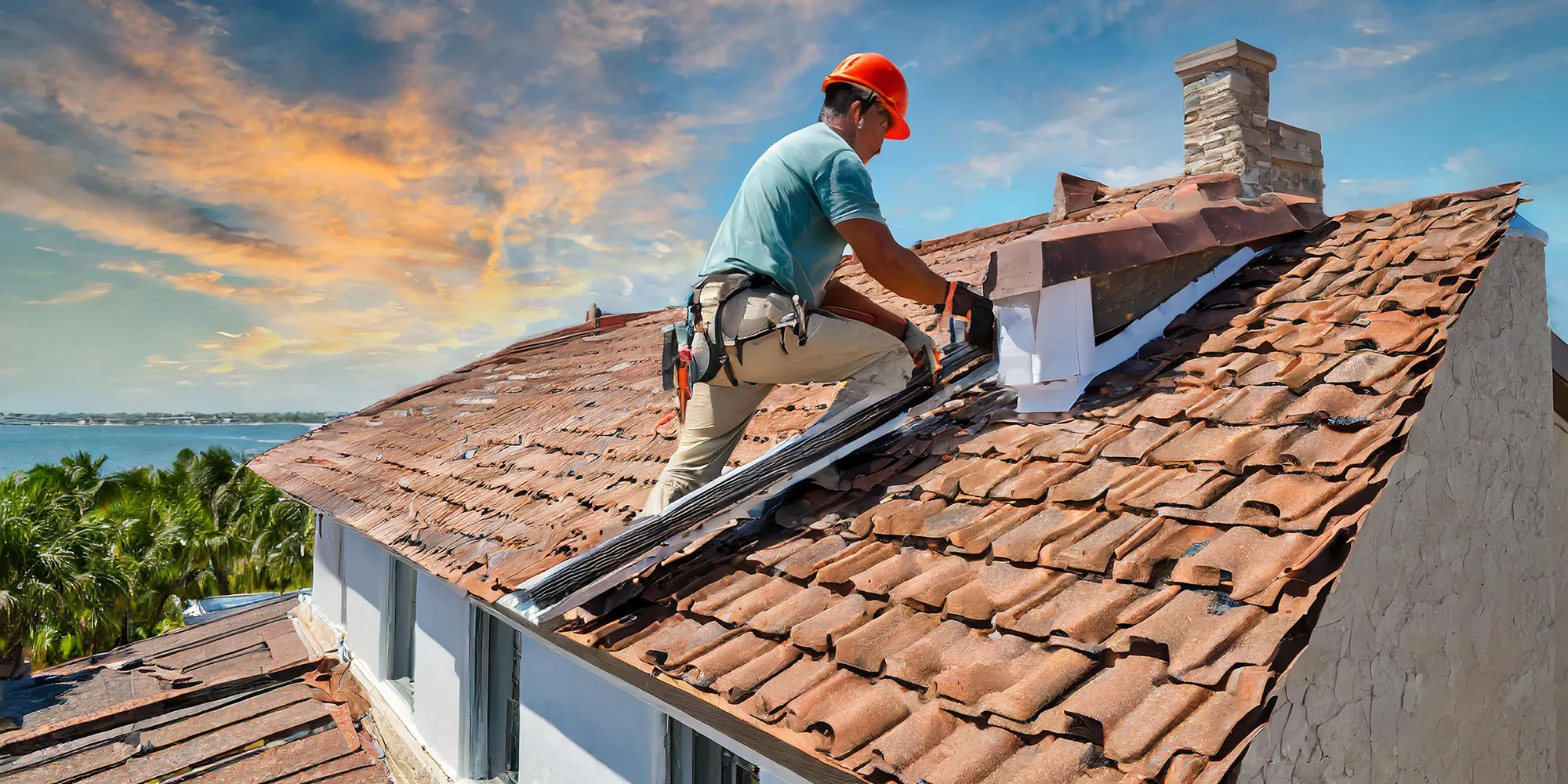
Resetting Ridge Caps Knocked Loose in a Storm
Ridge caps sit at the highest point of the structure and take the full force of wind gusts. Storm pressure can loosen or shift these caps, exposing seams where water can enter. Even slight movement compromises their ability to shed water properly.
Repair involves lifting the displaced caps, checking underlying materials, and re-securing them with proper fasteners and sealants. Roof repair teams focus on alignment and overlap to restore protection. Addressing ridge caps early helps avoid the need for broader roof replacement later.
Tarping Damaged Areas to Protect Until Full Repair
Temporary tarping is often the first step when damage is extensive or weather conditions prevent immediate repairs. Tarps shield exposed areas from additional rain and debris while giving homeowners time to plan permanent fixes.
Professionals secure tarps tightly to prevent wind uplift and water pooling. This approach stabilizes the situation and limits further deterioration. A roof repair company may rely on tarping when materials are delayed or when insurance assessments are pending.
Re-nailing Panels That Lifted from Wind Pressure
High winds can cause roofing panels or shingles to lift without fully detaching. Lifted materials create gaps that funnel water underneath the surface, leading to hidden damage. Re-nailing addresses this problem before larger sections fail. Technicians carefully reset lifted areas, replacing compromised fasteners and reinforcing attachment points. This method restores the roof’s resistance to uplift and helps it perform as designed. For those seeking roof repair near me, re-nailing is one of the most common post-storm solutions.
Clearing Debris and Checking Drainage Paths
Storms often leave behind branches, leaves, and debris that clog drainage systems. Blocked drainage forces water to back up, increasing the risk of leaks and material breakdown. Clearing debris is a critical early step in storm recovery. Once cleared, professionals inspect drainage paths to ensure water flows away from the structure. This includes checking valleys, edges, and low-slope areas. Proper drainage reduces stress on the roofing system and extends the life of any roof repair performed.
Sealing Exposed Seams Against Future Water Entry
Seams are natural weak points, especially after storms cause expansion, contraction, or movement. Exposed seams allow water to seep beneath the surface even if no obvious hole is present.
Sealing involves applying specialized compounds that remain flexible over time. These sealants accommodate movement while maintaining a watertight barrier. Many Huntsville roof repair projects include seam sealing as a preventative measure following severe weather.
Replacing Dented Gutters That Direct Water Away Wrong
Hail and debris can dent or misalign gutters, disrupting proper water flow. When gutters fail, water spills against siding, foundations, and roofing edges, increasing the likelihood of secondary damage. Replacement or realignment restores proper drainage. Roof repair professionals assess whether gutters can be reshaped or need full replacement. Correcting gutter issues supports overall roof performance and protects surrounding structures.
Resetting Loose Tiles Knocked off by Heavy Gusts
Tile roofing systems are particularly vulnerable to wind uplift. Gusts can dislodge tiles without breaking them, leaving gaps that expose underlayment layers. Resetting tiles preserves the original system without unnecessary replacement.
Technicians inspect adjacent tiles to ensure stability before resetting loose pieces. Proper spacing and secure attachment are essential to prevent repeat issues. This targeted roof repair approach maintains both appearance and function.
Reconnecting Downspouts Pulled out by Storm Force
Downspouts channel water away from the building, yet storms can pull them loose or disconnect sections. Dislodged downspouts dump water near foundations and roof edges, increasing erosion and moisture problems.
Reconnection involves securing brackets, adjusting alignment, and confirming proper discharge locations. This simple repair plays a significant role in preventing long-term damage. Many roof repair company visits include downspout checks as part of storm recovery.
Storm recovery requires a mix of immediate action and thoughtful follow-up. Fleming Roofing partners with property owners to assess storm impacts, carry out dependable repairs, and support informed decisions for lasting roof performance. Their approach helps stabilize roofs after storms while protecting structures from ongoing weather exposure and unexpected repair costs.