
 By businessnewstips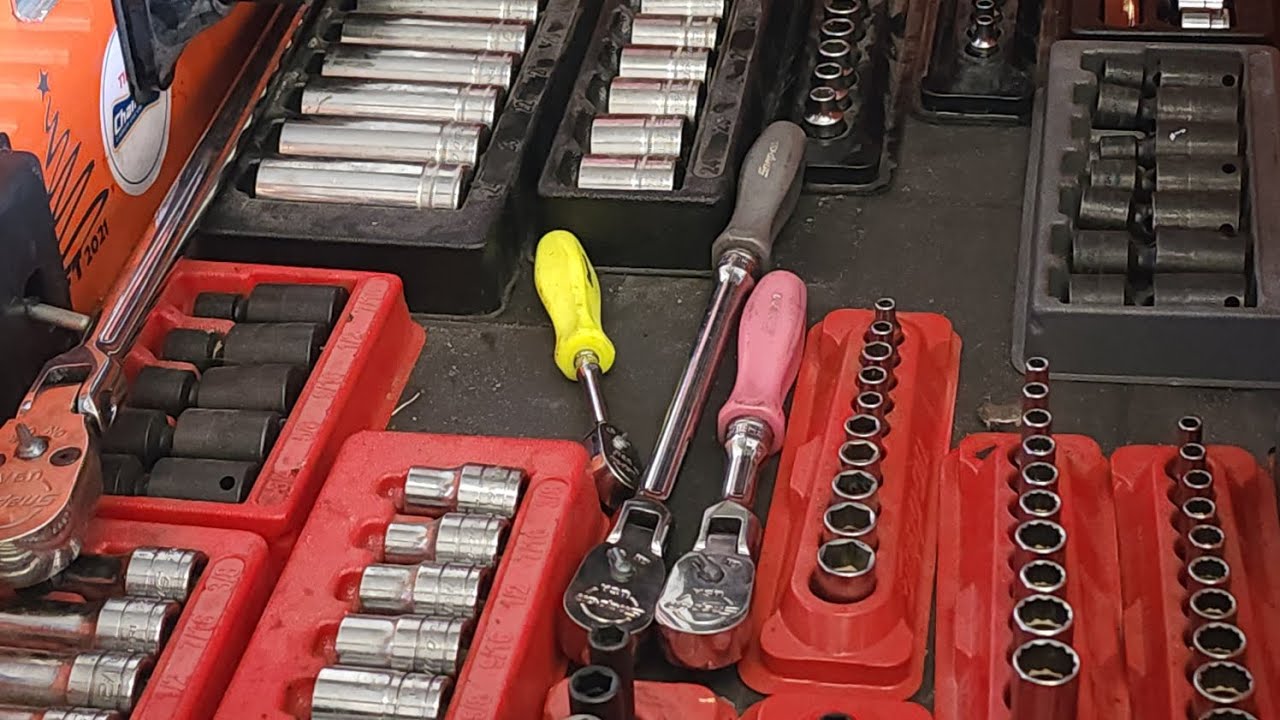
Starting to work on your own car can feel intimidating—but it doesn’t have to be. With the right tools in your garage, even beginner mechanics can handle routine maintenance and simple repairs confidently. Whether you’re changing your oil, replacing spark plugs, or diagnosing engine issues, having the right equipment makes all the difference in safety, efficiency, and success.
Building a basic automotive tool kit doesn’t mean buying every tool in the store. It means selecting smart, essential tools that cover a wide range of common jobs and prepare you for both quick fixes and deeper DIY projects.
In this guide, we’ll cover the must-have tools every beginner mechanic should keep in their garage, and explain why they’re important for safe and effective car repairs.
Essential Tools to Start DIY Car Repairs
1. Socket Set and Ratchet
If you’re working on a car, a socket set is your best friend. Look for a quality set that includes both metric and SAE sizes, along with deep sockets for hard-to-reach bolts. A 3/8-inch ratchet with a full socket range can handle most jobs under the hood.
Extensions, swivel joints, and spark plug sockets are great add-ons for more advanced work.
2. Wrenches (Combination and Adjustable)
From battery terminals to brake lines, wrenches are essential for quick, tight work where sockets won’t fit. A set of combination wrenches (open-end and box-end) is great for beginners. Add a couple of adjustable wrenches to handle odd-sized nuts and bolts.
3. Screwdrivers (Flathead & Phillips)
Every car has dozens of screws and plastic clips that need removing during basic maintenance. Invest in a full set of flathead and Phillips screwdrivers, plus a stubby version for tight spaces. Magnetic tips can help prevent dropped screws in engine bays.
4. Torque Wrench
Tightening bolts to the correct torque spec is critical—especially for jobs like tire changes, brake work, or anything involving the engine. A click-style torque wrench helps prevent under- or over-tightening, reducing the risk of damage or failure.
Why These Tools Make a Big Difference
1. Safe Lifting Equipment
Whether you’re changing your oil or inspecting a suspension component, lifting your car safely is non-negotiable. Relying on a spare tire jack isn’t just risky—it’s dangerous.
Use a proper car jack and a pair of jack stands to raise your vehicle securely. Hydraulic floor jacks offer greater stability and faster lifting, while jack stands provide essential backup support.
For beginners who want even more convenience and stability, consider using car ramps. They’re especially useful for oil changes, transmission checks, and underbody inspections—no jacking required.
These tools not only keep you safer—they make every under-car job quicker and less stressful.
2. Multimeter and Diagnostic Tools
A multimeter helps diagnose electrical issues like dead batteries, faulty alternators, or short circuits. It’s an affordable, beginner-friendly tool that pays for itself with just one use.
For engine diagnostics, a basic OBD-II scanner can help you read trouble codes from your car’s computer. This is especially useful if you’re chasing a check engine light or want to learn more about performance issues.
Even if you’re not ready to replace a crank position sensor or dive deep into engine timing, having a diagnostic code can guide your repair strategy—or give you confidence when talking to a professional.
3. Oil Change Supplies
Doing your own oil changes is one of the easiest—and most cost-effective—ways to start DIY car care. Here’s what you’ll need:
- Oil filter wrench
- Drain pan
- Funnel
- Latex or nitrile gloves
- Shop towels or rags
Don’t forget to properly dispose of used oil at your local parts store or recycling center. Many stores offer this service for free.
4. Lighting and Organization
Good lighting is crucial when working in a garage or under the hood. A bright LED work light or magnetic underhood light helps you see exactly what you’re doing—reducing mistakes and frustration.
Use a rolling tool chest or portable organizer to keep your tools in order. Even a basic toolbox with labeled drawers can save time and prevent lost parts or tools mid-repair.
Final Thoughts: Set Yourself Up for DIY Success
Starting your journey as a home mechanic doesn’t require thousands of dollars or years of experience. With the right foundation—basic hand tools, reliable lifting equipment, and a few diagnostic essentials—you can tackle dozens of repairs safely and confidently.
Whether you’re swapping oil, installing new brake pads, or investigating engine trouble with a crank position sensor, the tools you choose will make all the difference in how smoothly and safely the job goes.
Start with core gear like a car jack, car ramps, a socket set, and diagnostic tools. Add as you grow, and keep learning with every project.
Let me know when you’re ready for your next article—we can dive into beginner electrical repairs, tool maintenance tips, or how to build out your DIY garage on a budget.