
 By businessnewstips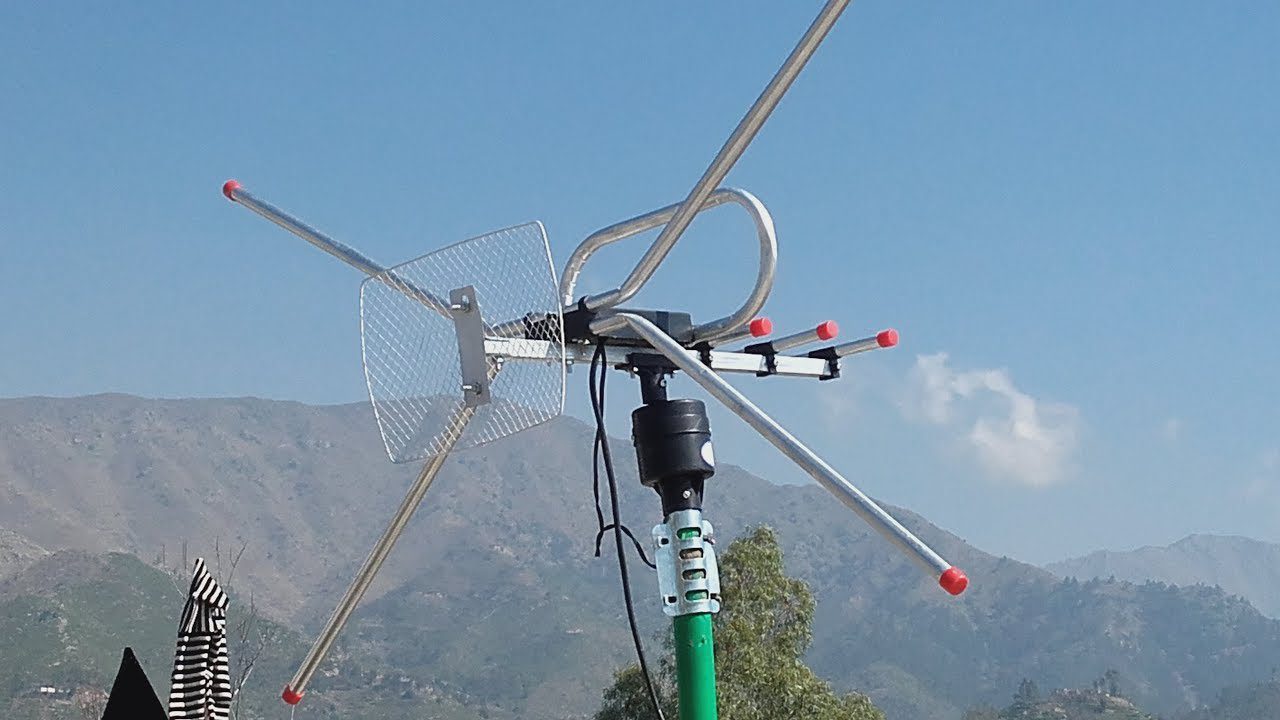
5G can be fast, but it can also be frustratingly inconsistent indoors. One room gets solid speeds, another drops to one bar, and video calls stutter even though your plan has not changed. That is why many people start searching for terms like 5g antenna outdoor when they want to improve reception without switching providers or changing their location.
An outdoor 5G antenna is designed to capture a stronger cellular signal from outside the building and feed it to your router or modem. The main benefit is simple: it moves the “listening point” from inside your home, surrounded by signal-blocking materials, to an outdoor position with fewer obstacles.
What an outdoor 5G antenna actually does
At a high level, an outdoor antenna collects radio signals and passes them along a cable to compatible equipment, such as a 5G router or modem. The device then uses that cleaner, stronger signal to maintain a better connection to the network.
This can improve:
- Signal strength: more reliable reception, fewer dropouts
- Signal quality: better stability, especially at peak times
- Throughput: higher real-world speeds when the connection is the bottleneck
It is not a magic speed booster. If your local network is congested, an antenna cannot create capacity that is not there. But it can help your device hold onto the best available signal, which often improves consistency and performance.
Why outdoor placement often beats indoor reception
Buildings are full of materials that weaken cellular signals. Brick, concrete, foil-backed insulation, metal roofing, tinted glass, and even some cladding systems can reduce signal strength and quality. Indoors, your device also competes with interference from electronics and has fewer placement options that provide a clear path to the nearest cell tower.
Outside, even a modest improvement in “line of sight” can make a noticeable difference. Height helps too. Mounting higher often reduces the number of obstacles between you and the network, particularly in suburban areas with trees and surrounding buildings.
In practical terms, an outdoor antenna is useful because it:
- Gets the signal past the “shield” of your home
- Finds a better angle to the strongest tower sector
- Reduces the chance of your router locking onto a weaker indoor signal
The scenarios where you’ll see the biggest gains
Outdoor antennas tend to help most when your current connection is limited by reception rather than plan speed.
1) Weak indoor signal, better signal outside
If your phone shows noticeably better reception when you step outdoors, that is a strong clue. The antenna can be positioned where the signal is already better and bring that advantage back to your router.
2) Distance from the tower or “edge of coverage” areas
In fringe zones, small signal improvements matter. A stronger, cleaner signal can mean the difference between an unstable connection and something that holds steady enough for work calls and streaming.
3) Lots of obstacles between you and the network
Hills, dense trees, neighbouring buildings, and certain rooflines can block or scatter signals. An antenna mounted with a clearer view can reduce the impact of those obstacles.
4) Homes with poor “signal rooms”
Some houses have a single window or corner that works well while the rest of the home struggles. Instead of relying on indoor placement compromises, an outdoor antenna gives you more control over the best receiving position.
5) Consistency matters more than peak speed
Even if speed tests look fine at 2 a.m., you might struggle during the day. Better signal quality can reduce retransmissions and improve stability, which often feels like “faster internet” in day-to-day use.
What to expect, and when it may not help much
It is realistic to expect improved stability and fewer drops, with speed gains that vary by location. Some people see a major improvement because their indoor signal was the main problem. Others see modest changes because their area is already well-covered or because congestion is the limiting factor.
An outdoor antenna may help less if:
- Your indoor signal is already strong and stable
- Your main issue is network congestion at peak times
- Your router/modem cannot properly use an external antenna setup
- Poor results are caused by internal network issues (Wi-Fi placement, interference, old router settings)
The best mindset is: an outdoor antenna improves the quality of the cellular link. If the cellular link is the weak link, it can be a high-impact upgrade. If something else is the bottleneck, results will be smaller.