Capital expenditure on office refurbishments is under more scrutiny than ever before, yet the risks of under-investing in the wrong areas are frequently overlooked. A poorly executed upgrade often reveals its flaws not in the first month, but in the second or third year, when the hidden costs of low-quality infrastructure or inadequate amenities begin to impact the bottom line.
As hybrid working models stabilise, many UK businesses are shifting their mindset from ‘survival’ to ‘optimisation’. With corporate leaders increasingly moving away from viewing the office as a fixed overhead to treating it as a high-performance asset, the transition requires a fundamental change in how we calculate return on investment (ROI).
Every pound spent on an office refurbishment must justify its presence on the balance sheet. An office upgrade should not be viewed as an aesthetic whim, but as a strategic lever for business growth. When planned correctly, improvements in infrastructure, technology, and amenities offer tangible returns through reduced operational costs, improved employee retention, and enhanced productivity. To achieve this, business owners and facilities managers must look beyond the initial invoice and consider the total cost of ownership across the next decade.
Here is where forward-thinking businesses see the most significant long-term returns on their refurbishment investments…
1. Energy Efficiency and Intelligent Infrastructure
For many businesses, a 20% cut in energy costs represents the same bottom line benefit as a 5% increase in sales.
The most immediate and measurable ROI often comes from ‘behind the walls’ upgrades. With commercial energy costs remaining volatile, upgrading or investing in modern energy-efficient HVAC (heating, ventilation, and air conditioning) systems and LED lighting with motion sensors can reduce utility bills by 20% to 50% annually.
To put it into perspective, lighting in a typical office costs about £3/m2 annually, but in the most efficient office, it only costs about £1/m2 according to data from the Carbon Trust.
Beyond simple cost-saving, intelligent infrastructure supports the ‘S’ in ESG (Environmental, Social, and Governance) goals. Smart building technology, which adjusts lighting and temperature based on real-time occupancy, not only lowers the carbon footprint but also creates a more comfortable environment. This helps reduce the ‘presenteeism’ associated with poorly ventilated or dimly lit spaces.
2. Durable, Ergonomic Furnishings
The temptation to opt for budget-friendly furniture is often a false economy. In high-traffic office environments, cheap task chairs and desks deteriorate rapidly, leading to replacement costs within 24 to 36 months.
High-quality, ergonomic furniture is a dual-purpose investment. Firstly, durability ensures a lower total cost of ownership over a ten-year cycle. Secondly, ergonomic support is directly linked to a reduction in musculoskeletal-related absenteeism. Investing in adjustable sit-stand desks and high-specification seating demonstrates a commitment to staff welfare that pays dividends in reduced sick leave and higher daily focus.
3. Creating a ‘Magnet’ Workspace for Retention
Attracting and retaining top-tier talent is one of the greatest challenges facing modern enterprises. The cost of replacing a skilled employee can often exceed £30,000 if you account for all the recruitment fees, onboarding time, and lost productivity.
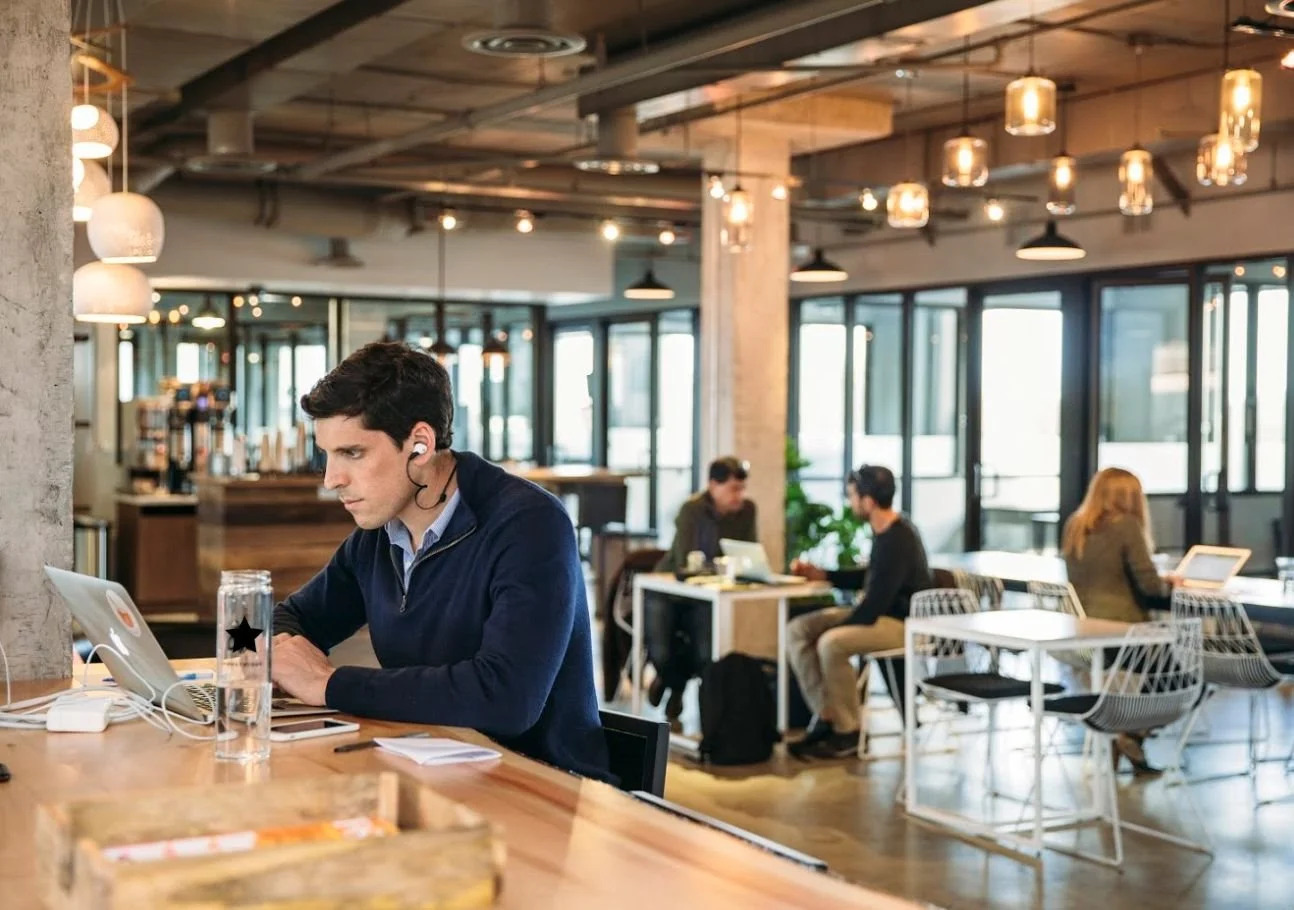
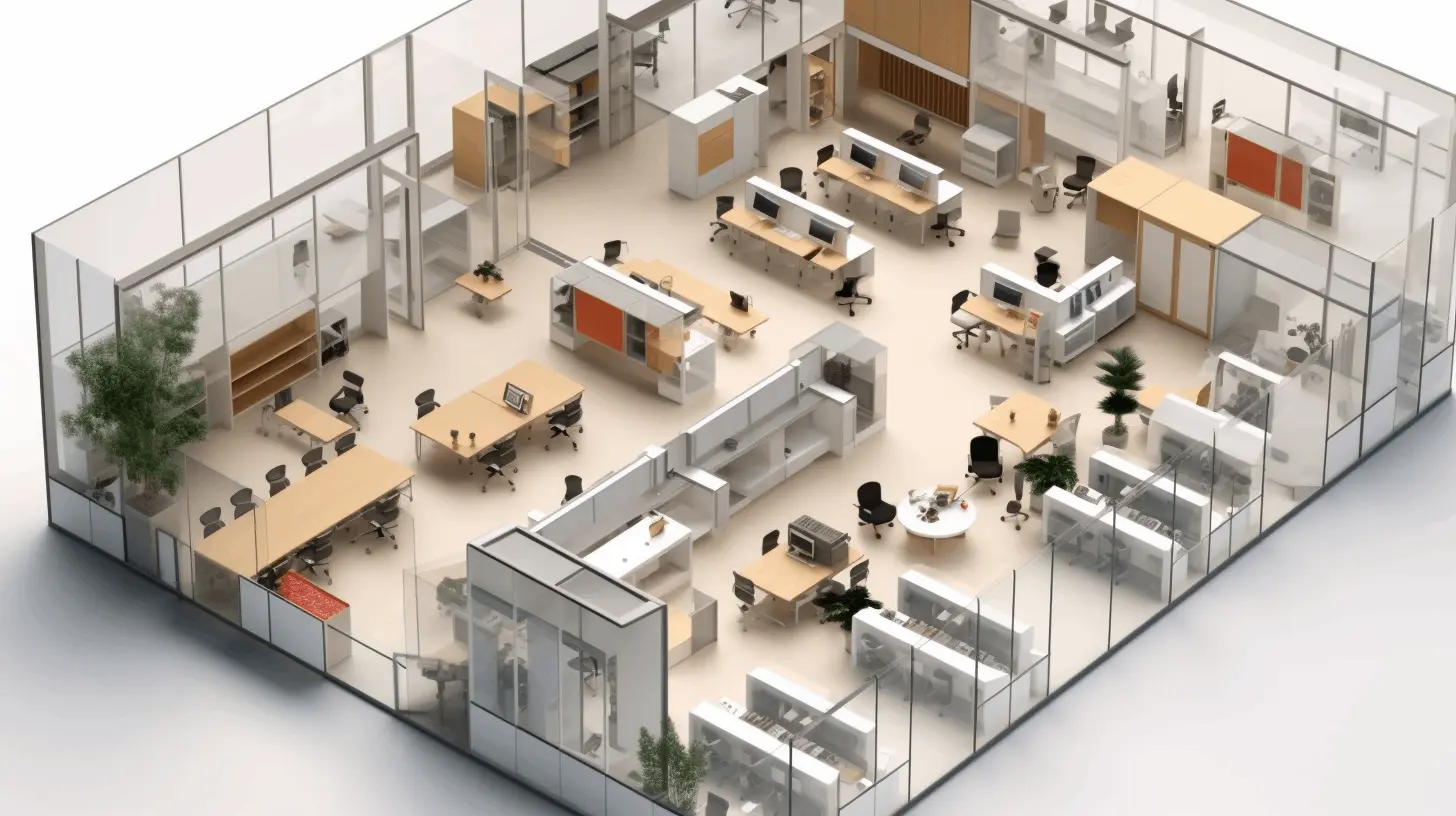
A well-designed office acts as a ‘magnet’, giving employees a reason to choose the workplace over their home office. This involves creating a variety of ‘zones’: quiet pods for deep work, collaborative areas for brainstorming, and social hubs that foster a sense of community. When the office environment is superior to the home environment, staff engagement naturally rises.
4. Operational Savings in Shared Resources
One often-overlooked area for long-term ROI is the provision of high-quality shared amenities. In the past, many businesses relied on fragmented, low-quality solutions for staff refreshments, such as kettles, pods, or basic instant coffee. While these seem cheaper upfront, the hidden costs in maintenance, waste, and employee time spent leaving the office for a ‘proper’ coffee are substantial.
When businesses look at workplace upgrades, they often focus on the big-ticket items like flooring or partitions. However, it’s the high-frequency touchpoints, like the quality of the coffee or the speed of the Wi-Fi, that truly define the daily employee experience. Investing in reliable, long-lasting equipment for these shared spaces reduces ongoing maintenance headaches and keeps the team fuelled and focused throughout the day.
Upgrading to professional-grade office coffee machines as part of a refurbishment is a prime example of operational efficiency.
Richard Gray, Joint Managing Director at Roast & Ground notes: “A professional commercial coffee machine is a strategic asset that supports core business goals.
Modern bean-to-cup office coffee machines are designed for high-volume use and can dispense a wide range of speciality coffees and other hot beverages at a click of a button, delivering 50 to 200 cups or more per day depending on workplace demands. Our machines require far less manual intervention than domestic-grade alternatives and often rival local coffee shops, delivering the same if not better fresh barista-style coffee so that teams can remain fuelled and focused without the need for frequent interruptions.
Advanced models even have a telemetry system so that many fixes can be addressed remotely without the need to call out an engineer, significantly reducing maintenance downtime and associated costs for the business.”
By providing a consistent and convenient café-quality experience in-house, businesses not only save on the long-term costs of replacing inferior equipment but also significantly reduce the time lost to off-site coffee runs. This ensures that staff remain on-site and engaged, effectively reclaiming productive minutes that would otherwise be spent queueing at a high-street café.
5. Acoustic Management
Open-plan offices are excellent for collaboration but can be detrimental to focus if acoustics are ignored. The ROI of acoustic treatments such as felt panelling, baffles, or carpet tiles with high acoustic ratings is found in the quality of output.
A survey conducted by Oscar Acoustics showed that loud, noisy workplaces severely impacted productivity levels for 60% of London workers.
By investing in sound-dampening materials during an upgrade, managers create an environment where staff can transition seamlessly between collaborative chatter and deep, uninterrupted concentration.
Future-Proofing for Scale
The final element of a high-ROI upgrade is flexibility. Technology and team sizes change rapidly. Using modular partitioning and ‘plug-and-play’ power solutions ensures that the office can evolve without requiring another full-scale refurbishment in five years’ time.
In conclusion, the most successful office upgrades are those that treat the workplace as a high-performance asset. By prioritising energy efficiency, durability, and high-quality amenities, businesses can ensure their refurbishment isn’t just a cost, but a catalyst for long-term growth and success.