
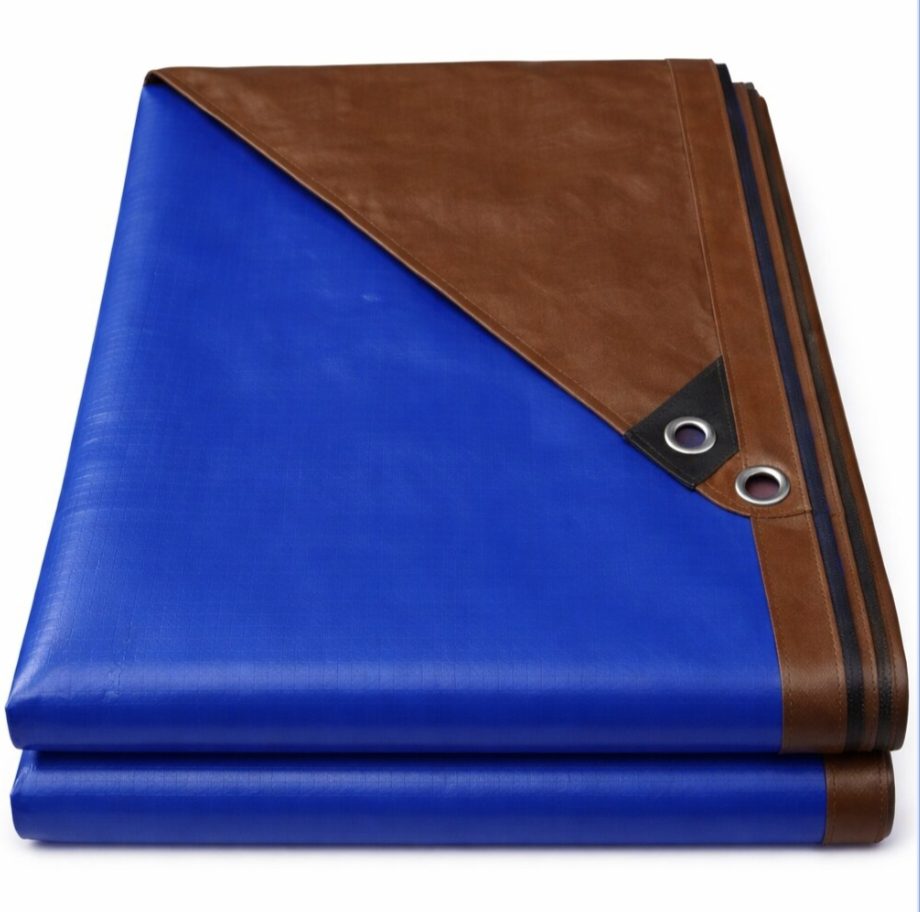



Tarpaulin sheets are now an essential item in multiple industries as well as daily work. Tarpaulins are a great way to ensure protection against all kinds of activities, from busy construction sites to simple home renovations and even larger landscaping jobs. Their flexibility and strength provide a cost-effective solution for tradesmen and the homeowner. When you understand the functions of Tarpaulin sheets, you will get a better idea of which type is suited to you.
The Importance of Tarpaulins in Construction Projects
In the manufacture of buildings protection of materials and the job site is essential. To ensure quality and durability, cement, timber, bricks, and tools must be protected from rain and sunlight. Tarpaulin sheets serve as a cover and are effective in preventing water damage and material spoilage.
Construction locations are susceptible to weather changes. Heavy rain can cause delays, while bright sunshine can impact some materials. Often, tarpaulin sheets serve multiple functions like scaffolding cover, unfinished roof cover, and temporary enclosure. These sheets help reduce weather disruptions to workflow.
Another important application of tarpaulins in construction is that of creating barriers against debris. Tarpaulins are used around demolition or renovation sites as a dust and rubble containment precaution. This ensures a cleaner environment, which also aids in safety compliance and reduces hazards to workers and neighbouring properties.
Tarpaulin materials for construction are made of good-quality multifilament polypropylene or PVC-coated fabric. These materials are extremely tear-resistant and waterproof, which makes them perfect for site conditions.
Supporting DIY Projects with Reliable Coverage
Tarpaulin sheets are easy to use and can be extremely effective. While painting walls or repairing the roof or even renewing the interiors, tarpaulin cloth provides a protective covering to surfaces so that less time and effort is spent during cleaning. By covering floors and furniture with a sheet, paint spills and dust won’t harm them badly.
The use of tarpaulin can also be a big help with outdoor DIY jobs. A tarp is a workable cover that will protect your tools and supplies in case it rains on a job site. It additionally creates a temporary workspace that keeps everything coordinated and within reach.
Tarpaulin sheets are ideal for gutter cleaning or repairing roofs when you are fixing a home. Debris collected during cleaning can be placed on a tarp for easy disposal. Reduces mess and protects your lawn or driveway from damage.
Depending on the size of the DIY projects, if tasks are indoors and short, you can opt for lighter tarpaulin sheets. If projects are heavy and outdoors, better to go with a thicker variant that is heavy-duty. Selecting the proper thickness and size achieves effective use without unnecessary expense on heavy.
Enhancing Landscaping and Garden Protection
Careful planning and protection of soil, plants, and hard surfacing are critical. Heavy Duty Tarpaulin sheets are essential to maintaining control in any landscaping project. Tarps can be helpful in holding loose soil while excavating soil or laying down turf to stop the soil from spilling over the path or driveway.
So, when transporting things like mulch, sand, or gravel, tarpaulin sheets are used. They cover loads to secure the material in a truck or trailer. Spillage is a deterrent, and material protects against moisture. When in garden maintenance, tarp covers are laid out beneath the trees to collect the branches or fallen leaves.
Weed control is another common use for landscaping. Certain tarpaulin sheets are employed to prevent weeds from growing and stop sunlight until planting takes place. This method helps to prepare healthy soil and use less chemicals.
Water Features or Ponds under construction benefit from the use of heavy-duty tarpaulins that can act as temporary liners. The waterproof position of the soil surrounding protects it from excess moisture.
Material Choices and Durability Considerations
Tarpaulin sheets are made of different materials with their own advantages. Polyethylene tarps are light, waterproof, and mildew-resistant, making them suitable for general-purpose use. PVC tarpaulins are generally heavier than other tarps and are often used for specific industrial and construction application requirements.
The thickness of fabrics is often measured in GSM, which means grams per square meter. It explains the durability and tearing resistance of higher GSM tarpaulins. When doing construction and landscaping, you should buy a thicker tarp for performance that lasts.
Metal eyelets and reinforced edges improve functionality. This feature ensures that you can secure the tarp and make it stable even in windy conditions. Proper anchoring is particularly important in open construction areas and gardens exposed to high winds.
UV stability is another thing of concern, especially when used outdoors. Extended exposure to sunlight can weaken lower-grade tarpaulins. UV-stabilized sheets are stronger and more flexible. offering value for long-term projects
Practical Benefits for Professionals and Homeowners
Tarpaulin sheets are very versatile and offer many benefits. One tarp can be used for different types of tasks. Since these flexible hot tubs adapt to any space, they are an economical buy for contractors, landscapers, and homeowners.
Because they are lightweight, tarpaulins are portable. When not being used, they can be folded to occupy less space in cars or storerooms. A tarp can be used in multiple tasks at different times if it is maintained properly.
An additional advantage is the protection of the environment. Tarpaulin sheets keep the workspace environment cleaner and prevent the water from washing away the debris. The result is better compliance with health and environmental standards on construction sites.
Making the Right Choice for Your Project
Depending on your project’s size and length, choose the right tarpaulin sheet. An inexpensive tarp that is thinner might suffice for lightweight indoor DIY work. For a construction site or large landscaping jobs, heavier and sturdier tarpaulins can protect against and withstand much more.
Keep weather exposure, load weight, and surface type in mind when choosing an option. To maximize effectiveness, ensure the tarp with full coverage is large enough to prevent gaps that let moisture or debris in.
Conclusion
Construction, DIY, and landscaping applications often require tarpaulin sheets at some point. The capacity of tarps to shield items, enclose debris, and form temporary shelters ensures they can be useful for professional and domestic applications. By knowing the varied materials, thickness levels, and intended purposes of tarpaulin, you can select one that gives you reliable performance and long-term value.
No matter if it is vacant land for construction, a site for home improvement or a garden, using a tarpaulin sheet will ensure an efficient working process, no damage to the site and peace of mind.