
 By Simon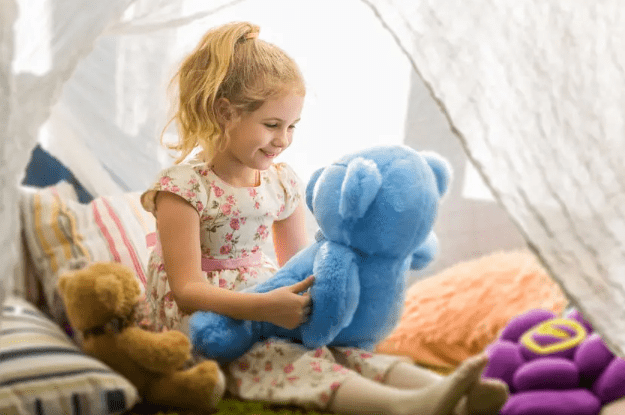
From the very first cuddle, a teddy bear becomes more than just a toy; it becomes a child’s silent friend, comfort source, and creative partner. For generations, teddy bears have helped children explore emotions, develop imagination, and learn essential life skills.
In this guide, we will discover how these soft companions, especially the timeless, handmade Steiff teddy bears crafted in Germany, shape emotional, social, and mental growth, and why choosing the right teddy bear matters for every stage of childhood.
Why Teddy Bears Hold a Special Place in a Child’s Heart
Children often form deep emotional bonds with their steiff bears. These cuddly friends offer comfort when parents are not around and help reduce anxiety during new experiences like starting nursery or sleeping alone.
Holding or talking to a teddy bear gives children a sense of security and unconditional love, something that strengthens their confidence and emotional balance.
Psychologists call this a “transitional object,” meaning a toy that helps children bridge the gap between dependence and independence.
How Teddy Bears Support Emotional Development
Teddy bears play a quiet but powerful role in emotional learning. When a child expresses joy, sadness, or anger through their bear, they begin to understand and manage emotions.
Children may comfort their teddy when it is “hurt” or talk about their feelings to it, helping them practice empathy and self-expression safely.
In stressful situations like visiting the doctor or moving homes, teddy bears act as emotional anchors, helping children adjust more calmly and confidently.
How Teddy Bears Improve Social and Communication Skills
Pretend play with teddy bears teaches children how to interact, listen, and express themselves.
A child who ‘teaches’ their teddy new things or “talks” to it is unknowingly developing language and storytelling abilities. Teddy bears also help kids practice sharing and cooperation when playing with siblings or friends.
Example:
When a child hosts a “tea party” with multiple teddies, they learn about turn-taking, politeness, and social roles, which later translate into real-world social skills.
How Teddy Bears Inspire Imagination and Creativity
Imaginative play is at the heart of childhood development, and teddy bears are the perfect creative partners. Through role-playing, storytelling, and make-believe adventures, children develop:
- Problem-solving skills (rescuing teddy from “danger”).
- Creative thinking (inventing new worlds and stories).
- Flexible thinking (switching between pretend and real-world situations).
This form of play stimulates brain growth and helps children explore complex emotions and ideas in a safe, playful way.
Teaching Independence and Responsibility
Caring for a teddy bear, feeding it, dressing it, or tucking it into bed teaches children responsibility and empathy. They learn that taking care of others requires attention and kindness. Over time, this practice builds self-discipline and prepares them for real-world tasks like caring for pets or managing daily routines.
This also strengthens their sense of independence, knowing they can care for something all by themselves.
How a Teddy Bear Grows With Your Child
Children’s connection with their teddy bear changes as they mature from comfort and companionship in early years to creativity and nostalgia later in life.
- Early Childhood: A teddy becomes a comforting presence that offers security during times of separation or bedtime.
- Growing Years: It transforms into a play partner that encourages imagination, storytelling, and emotional expression.
- Later Stages: For older children and adults, it becomes a treasured keepsake, a symbol of love, warmth, and memories.
Every stage reflects how a simple teddy can continue to inspire emotional connection, no matter the age.
Simple Ways Parents Can Use Teddy Bears for Meaningful Play
Parents can enhance learning and emotional bonding by intentionally using teddy bears during play.
Here is how:
- Story Time: Create bedtime stories with the teddy as a main character to improve language and imagination.
- Comfort Rituals: Encourage your child to talk to their teddy about their day or feelings.
- Routine Practice: Let children dress or feed their teddy to teach structure and responsibility.
- Problem Solving: Use teddy bears to role-play challenging emotions like anger or fear, helping kids process them calmly.
Through these small activities, parents can turn playtime into powerful moments of emotional growth.
Why Steiff Teddy Bears Make the Perfect Companion
When it comes to developmental play, quality and safety matter as much as emotional connection. Steiff teddy bears, known as the world’s original teddy bear brand, are crafted with unmatched care and tradition. Each Steiff bear carries the Button in Ear trademark, a symbol of authenticity and craftsmanship for over 100 years.
- Baby & Child Collection: Made from soft, machine-washable, baby-safe materials perfect for young children.
- Classic, Limited, and Personalised Collections: Handmade from premium mohair or plush, designed for collectors and ages 14+. These mohair bears are surface washable only, ensuring longevity and craftsmanship quality.
Choosing a Steiff teddy means giving your loved one a lifelong friend safe for play (in baby ranges) and cherished for generations (in collectible ranges).
Why Every Childhood Deserves a Steiff Teddy Bear
Caring for your Steiff teddy bear properly ensures it stays soft, clean, and timeless. With the right cleaning and storage methods, your bear will remain in excellent condition, whether it’s a beloved childhood companion or a valuable collectible
Explore the Steiff Collection and start building your legacy today.
FAQs:
Q1. At what age should I give my child their first teddy bear?
They are safe from around six months old, once babies can grasp soft toys. Always choose age-appropriate, baby-safe models.
Q2. How do teddy bears encourage learning?
Through role-play and storytelling, they help build creativity, language, and problem-solving skills.
Q3. Why are Steiff teddy bears recommended?
They combine safety, comfort, and quality craftsmanship, making them ideal for both emotional and developmental play.