
 By businessnewstips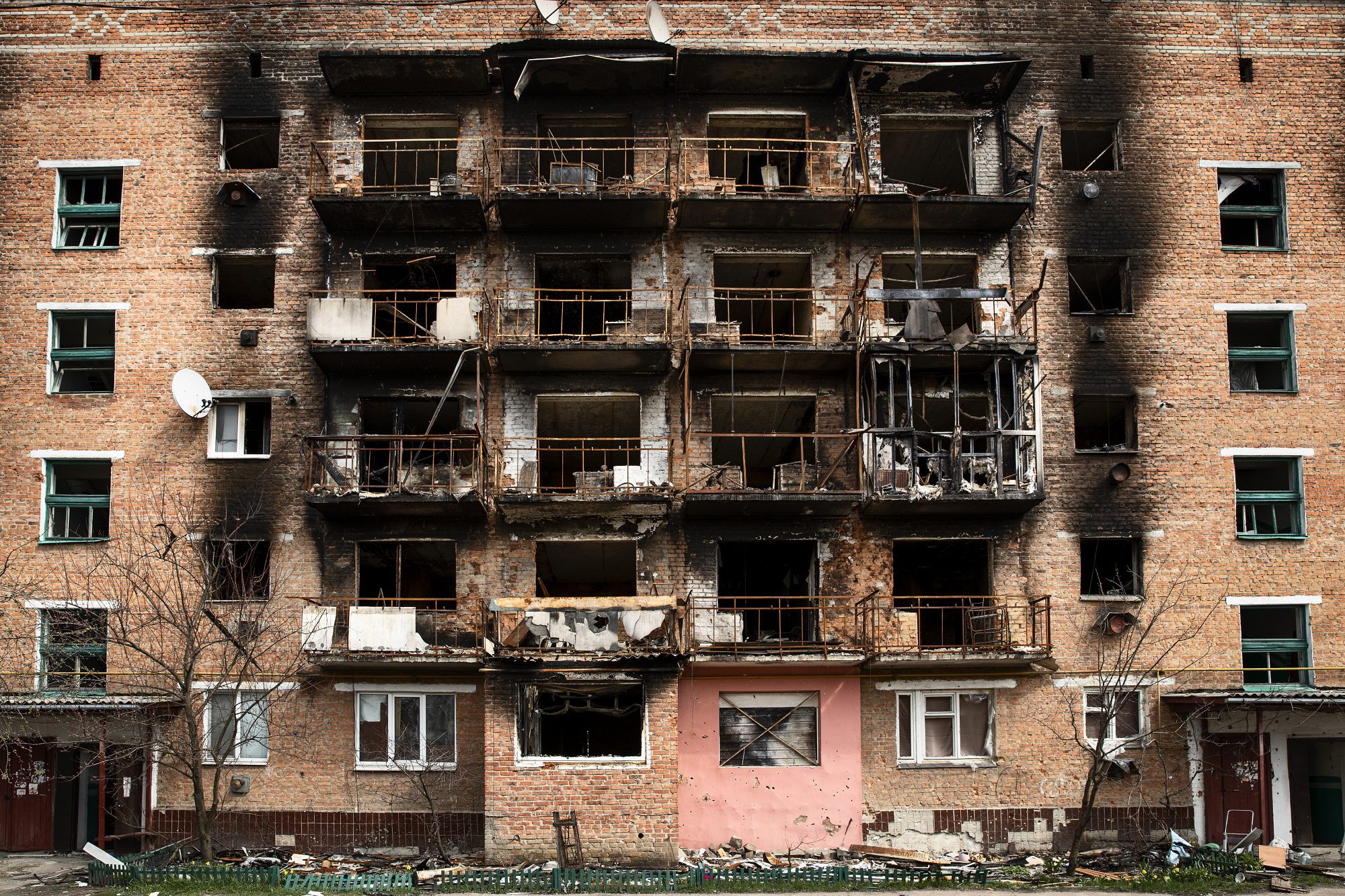
The flames are out. The firefighters have left. You want to see what’s left of your home. But rushing back inside can be dangerous or even deadly.
Fire damage goes far beyond burned walls and furniture. Hidden dangers lurk in every room. Toxic fumes linger in the air. Weakened floors could collapse. Contaminated water poses health risks.
According to recent data, there were over 344,600 residential fires in 2024, and understanding when it’s safe to return is crucial for every homeowner who faces this crisis.
Why Can’t You Enter Right After the Fire?
The most important rule is simple: never enter until the fire department permits you. This isn’t just a suggestion, it’s a safety requirement.
Fires can restart even when they appear completely out. Hot spots hide behind walls and under floors. These areas can reignite hours or even days later. A fire-damaged structure may look stable but could collapse without warning.
Structural Dangers You Can’t See
Extreme heat weakens building materials. Wood beams lose strength. Steel supports can bend or warp. Concrete cracks under thermal stress. These problems aren’t always visible from the outside.
Floors may appear solid, but can’t support weight anymore. Ceilings sag from water damage or heat exposure. Walls lose their structural integrity. Firefighters may have cut holes in roofs and walls to ventilate smoke, creating additional weak points.
According to safety experts, a fire can become life-threatening in just two minutes, and a home can be fully engulfed in five minutes. The intense heat causes lasting damage that persists long after flames are extinguished.
Toxic Air and Contamination
Smoke creates dangerous air quality that lasts for days or weeks. Burning plastics, furniture, and building materials releases toxic chemicals. These substances settle on every surface as soot and ash.
Contact with wet ash can cause chemical burns on the skin. Breathing contaminated air leads to respiratory problems. Long-term exposure increases cancer risks from carcinogens in smoke residue.
A fire damage restoration loveland colorado company understand these hazards. They use proper protective equipment and specialized cleaning methods to address contamination safely.
Utility Hazards
Water used to fight fires creates electrical hazards. Standing water with live wires can electrocute anyone who enters. Gas lines may have been damaged, creating explosion or poisoning risks.
The fire department will ensure utilities are either safe or disconnected before leaving. Never attempt to reconnect power, gas, or water yourself. These tasks require professional assessment and repair.
What Does the Fire Department Check Before Clearance?
Fire officials follow specific protocols before allowing re-entry. They assess multiple safety factors throughout the property.
Structural Stability Assessment
Firefighters inspect walls, floors, and ceilings for stability. They check for sagging, cracks, or other signs of failure. They test floor strength in damaged areas.
They look for compromised support beams or load-bearing walls. Damage to these critical elements can cause collapse. If structural concerns exist, they may require a building inspector’s evaluation before anyone enters.
Hidden Fire Detection
Firefighters use thermal imaging cameras to find hot spots. These devices detect heat behind walls and under floors. Any remaining heat sources must be extinguished completely.
They check attics, crawl spaces, and wall cavities. Fire can smolder in these hidden areas for hours. Only when all hot spots are confirmed out do they consider the fire fully extinguished.
Utility Safety Verification
Officials check all utility systems for damage and safety. They inspect electrical panels and wiring. They test gas lines for leaks. They evaluate water system integrity.
If utilities pose any risk, they disconnect them at the source. Turning off your electrical meter or shutting off gas at the main valve prevents accidents. You’ll need professional inspection and repairs before utilities can be restored.
How Long Until You Can Safely Enter?
Timeline varies dramatically based on fire severity and damage extent. Minor kitchen fires might allow entry within hours. Major structural fires require days or weeks.
Immediate Entry (Same Day)
Small fires with minimal damage may allow quick entry. These include contained kitchen fires, small appliance fires, or limited room fires. Even in these cases, wait for fire department approval.
You still need to be cautious about smoke residue and air quality. Open windows for ventilation if weather permits. Wear protective gear even for brief visits.
Short-Term Wait (1-7 Days)
Moderate fires affecting multiple rooms typically require several days before safe entry. This allows time for structural assessment, utility inspection, and initial contamination evaluation.
Professional restoration companies often enter during this period to assess damage and begin emergency services. They secure the property, board up openings, and start water removal if firefighting efforts caused flooding.
Extended Wait (Weeks to Months)
Severe fires with major structural damage require extensive waiting periods. The building may need an engineering assessment. Repairs might be necessary before anyone can safely enter.
In extreme cases, properties may be deemed unsafe for entry until demolition or major reconstruction occurs. Building inspectors place color-coded signs indicating entry restrictions based on safety levels.
What Safety Gear Do You Need for Entry?
Even after receiving clearance, proper protection is essential. Fire damage creates multiple health hazards that persist long after flames are out.
Respiratory Protection
At minimum, wear an N95 mask properly fitted to your face. This filters out fine particles and some toxic substances. Better protection comes from respirators with organic vapor cartridges.
Soot contains carcinogens and toxic chemicals. Breathing these particles damages the lungs and increases disease risk. Never enter without respiratory protection, even if the smoke smell seems mild.
Physical Protection
Wear sturdy boots with steel toes and shanks. Fire debris contains sharp objects like glass, metal, and nails. Puncture wounds in contaminated environments can lead to serious infections.
Use heavy-duty gloves when touching anything. Ash and soot irritate skin and may contain caustic chemicals. Long sleeves and pants protect against contact with contaminated surfaces.
Eye protection prevents particles from entering the eyes. Goggles work better than safety glasses because they seal around your eyes completely.
What to Bring and What to Leave
Bring a flashlight if power is out. Never use candles, matches, or open flames—gas leaks could cause explosions. Bring bags for retrieving essential items.
Leave children and pets elsewhere. The environment is unsafe for them, and seeing fire damage can cause lasting psychological trauma. Their smaller size also makes them more vulnerable to toxic exposure.
What Should You Do During Your First Entry?
If you’ve received clearance and have proper safety gear, follow these steps carefully during your initial inspection.
Exterior Inspection First
Walk around the outside before entering. Look for loose power lines, which should be reported immediately. Check for visible foundation cracks or structural damage.
Look for sagging rooflines or obvious wall bulges. These indicate serious structural problems that make entry unsafe despite clearance. When in doubt, request additional professional assessment.
Interior Safety Checks
Once inside, move slowly and test surfaces before putting weight on them. Tap floors with a stick to check stability before walking on potentially weakened areas.
Sniff for gas odors. If you smell gas or hear hissing, leave immediately and call the fire department from a safe location. Don’t use phones or electronics inside if gas is present.
Check for sagging ceilings that could collapse. Look for signs of water accumulation above. Use a long stick to probe suspicious areas from a safe distance.
What to Retrieve
Focus on essential documents first: birth certificates, passports, social security cards, medical records, insurance papers, and financial documents. These are difficult to replace and critical for your recovery process.
Retrieve prescription medication containers so you can get replacements, but don’t take the actual medication. Heat and smoke contamination make medicines unsafe.
Take valuables and sentimental items that appear undamaged. Jewelry, electronics, and important photos should be removed if safe to do so.
What to Leave Behind
Don’t bring out any food items, beverages, or cosmetics. Heat, smoke, and toxic fumes contaminate these products even if they look fine. Consuming contaminated food can cause serious illness.
Leave damaged structural elements alone. Don’t try to clean up or repair anything during initial entry. This is for assessment and essential retrieval only.
Avoid disturbing areas that appear unstable. Some debris piles may be supporting damaged structures. Moving them could trigger collapse.
What Hazards Remain After Initial Clearance?
Even in properties cleared for entry, multiple dangers persist until professional restoration is complete.
Air Quality Issues
Toxic air particles remain airborne for days or weeks. Soot settles on surfaces and becomes airborne again with movement. These particles cause respiratory irritation, headaches, and long-term health effects.
Carbon monoxide may linger in poorly ventilated areas. This odorless gas causes poisoning that can be fatal. Ensure adequate ventilation before spending extended time inside.
Water and Mold Concerns
Firefighting water creates ideal conditions for mold growth. Mold appears within 24 to 48 hours in wet conditions. Fire-damaged structures with water exposure face serious mold contamination risks.
Standing water may be contaminated with sewage, chemicals, or other hazardous materials. Never wade through standing water without knowing what’s in it and whether electrical hazards exist.
Chemical Contamination
Burned materials create toxic residue throughout the property. Plastics release particularly dangerous chemicals when burned. Insulation, furniture, and building materials all contribute to contamination.
These chemicals absorb into porous materials like drywall, wood, and fabrics. Simple cleaning can’t remove them. Professional restoration uses specialized equipment and techniques to decontaminate properties properly.
Pest and Animal Concerns
Fire-damaged structures attract rodents, insects, and sometimes larger animals. These creatures move in quickly after fires, seeking shelter and food. They create additional health hazards through droppings and contamination.
Watch for snakes, spiders, and other creatures that may have entered through fire-damaged openings. Tap loudly as you walk to alert animals to your presence and give them time to leave.
When Should You Call Professional Restoration Services?
Professional help is essential for all but the smallest fire incidents.
Restoration experts understand the full scope of fire damage and proper remediation techniques.
Immediate Professional Assessment
Contact restoration services as soon as the fire department clears the scene. Many companies offer 24/7 emergency response. Early intervention prevents additional damage and starts the recovery process.
Professionals conduct a thorough damage assessment covering all fire, smoke, and water damage. They identify hidden problems you might miss. They create comprehensive restoration plans and timelines.
According to industry data, the average fire restoration cost is $27,175, with total property damage from residential fires reaching $11.3 billion in 2023. Professional assessment helps ensure insurance claims cover all necessary work.
What Restoration Services Provide
Professionals secure your property immediately. They board up openings, place tarps over roof damage, and protect against weather and intruders. This emergency service prevents additional loss.
They handle smoke and soot removal using specialized equipment. Standard cleaning can’t remove toxic residue effectively. Professional decontamination ensures your home becomes safe again.
They manage water removal and drying. Firefighting often causes extensive water damage. Proper drying prevents mold growth and structural deterioration.
Making the Right Decision About Re-Entry
Your safety must come first. The desire to see your home and retrieve belongings is natural and understandable. But entering too soon risks injury or illness that makes an already difficult situation worse.
Trust the fire department’s judgment about when entry becomes safe. These professionals understand structural risks and hidden dangers. Their clearance is based on thorough assessment and experience.
Wear proper protective equipment every time you enter until restoration is complete. Don’t underestimate health risks from smoke residue and contaminated surfaces. Brief exposure may seem harmless, but it creates cumulative health effects.
Consider professional help even if the damage seems minor. Restoration experts spot problems you might miss. They have equipment and training to safely clean and decontaminate properties.
Document everything thoroughly for insurance purposes. Take photos and videos of all damage. Keep receipts for all expenses related to the fire. This documentation supports insurance claims and helps maximize recovery.
Final Words
Fire damage creates trauma beyond property loss. Take care of your mental and emotional health during recovery. Seek support from family, friends, or professionals. Don’t rush the healing process for yourself or your property.
The path from fire damage to full recovery takes time. Patience and proper safety precautions protect you and your family during this challenging period. When professionals say your property is safe and restoration is complete, you can finally return home knowing the environment is truly safe for daily life.