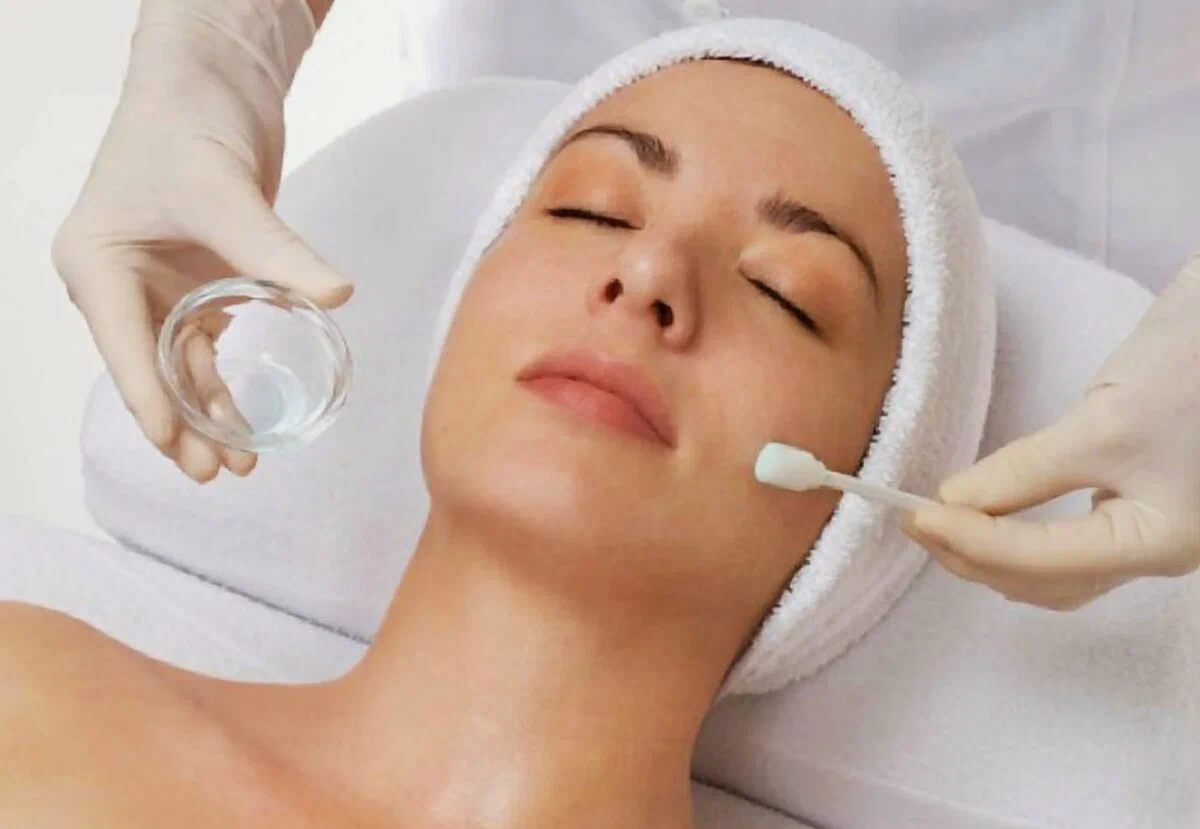
Chemical peels can dramatically improve skin texture, tone, and overall appearance. Many people notice brighter, smoother skin immediately after treatment. However, maintaining those results requires proper aftercare and a consistent post-treatment skincare routine.
Without the right recovery process, irritation, dryness, and uneven texture may reduce the long-term benefits of the peel. A structured skincare plan helps protect the skin barrier, maintain hydration, and support healthy skin renewal.
In this guide, you’ll learn how to maintain chemical peel results, avoid common recovery mistakes, and build an effective skincare routine after treatment.
What Chemical Peels Do to the Skin
Chemical peels work by removing damaged outer skin layers and encouraging faster skin renewal. Depending on the peel strength and skin type, they may help:
- Improve uneven skin tone
- Reduce rough texture
- Minimize post-acne marks
- Brighten dull skin
- Improve overall skin smoothness
After treatment, the skin enters a healing phase where hydration, barrier repair, and sun protection become essential. This is where properpost-treatment skincare; plays a major role in preserving results.
Why Post-Treatment Skincare Matters
Many people make the mistake of restarting strong skincare products too quickly after a peel. Harsh exfoliants, retinoids, and active serums may increase irritation and prolong recovery.
A gentle skincare routine helps:
- Maintain skin hydration
- Reduce redness and sensitivity
- Support barrier recovery
- Prevent irritation and inflammation
- Extend visible peel results
Consistent care allows the skin to heal properly while preserving a smooth, healthy appearance.
Best Post-Treatment Skincare Routine After a Chemical Peel
1. Use a Gentle Cleanser
During the first few days after a chemical peel, avoid harsh cleansers that leave the skin feeling tight or dry.
Choose:
- Cream-based cleansers
- Low-foam face washes
- Fragrance-free formulas
Avoid:
- Scrubs
- Alcohol-based cleansers
- Exfoliating face washes
Gentle cleansing helps protect the skin barrier without causing additional irritation.
2. Apply Recovery Products with Peptides and Panthenol
Recovery-focused products containing peptides and panthenol help calm sensitive skin and support hydration after a peel.
Benefits include:
- Improved skin comfort
- Reduced tightness
- Better moisture retention
- Enhanced skin recovery
Products designed forpost-treatment skincare; often include humectants and soothing ingredients that help maintain smoother-looking skin during recovery.
3. Keep the Skin Hydrated
Hydration is one of the most important steps in after chemical peel care. Moisturizers help reduce visible flaking and support skin barrier repair.
Look for moisturizers containing:
- Ceramides
- Hyaluronic acid
- Glycerin
- Barrier-supporting lipids
A lightweight but nourishing moisturizer can help the skin stay soft and balanced without feeling greasy.
4. Wear Sunscreen Every Morning
Sun exposure is one of the biggest reasons chemical peel results fade quickly. After treatment, the skin becomes more sensitive to UV damage.
Use:
- Broad-spectrum SPF 30 or higher
- Mineral sunscreen for sensitive skin
- Sunscreen daily, even indoors
Daily UV protection helps prevent redness, pigmentation, and uneven skin tone after resurfacing treatments.
Chemical Peel Recovery Timeline
| Recovery Phase | Common Symptoms | Recommended Care |
|---|---|---|
| First 24–48 Hours | Tightness, mild redness, sensitivity | Gentle cleanser, moisturizer, sunscreen |
| Days 3–5 | Dryness and flaking | Hydration and barrier support |
| Days 5–7+ | Smoother texture and brighter skin | Gradual return of active ingredients |
Common Mistakes That Ruin Chemical Peel Results
Restarting Active Ingredients Too Early
Avoid retinoids, exfoliating acids, and benzoyl peroxide until the skin fully calms down.
Picking Peeling Skin
Picking at flaking areas may cause irritation, scarring, or uneven healing.
Skipping Sunscreen
Even limited UV exposure can trigger redness and pigmentation after treatment.
Overloading the Skin with Products
Adding too many “calming” products may overwhelm sensitive skin. Keep the routine simple and consistent.
When to Reintroduce Active Skincare Products
Once the skin feels comfortable and hydrated again, active ingredients can slowly return to the routine.
Best practice:
- Introduce one product at a time
- Use actives every few nights initially
- Monitor for irritation before increasing frequency
This gradual approach helps maintain results without damaging the recovering skin barrier.
Final Thoughts
Maintaining chemical peel results depends more on recovery care than aggressive skincare treatments. A simple routine focused on hydration, barrier repair, and daily sunscreen use gives the skin the best chance to remain smooth, healthy, and radiant.
An effectivepost-treatment skincare; routine helps extend visible results while reducing irritation and sensitivity during the healing process.
For individuals with ongoing sensitivity or delayed healing, consulting a skincare professional can help create a personalized recovery plan that supports long-term skin health.
About The Author