
 By Clay Leger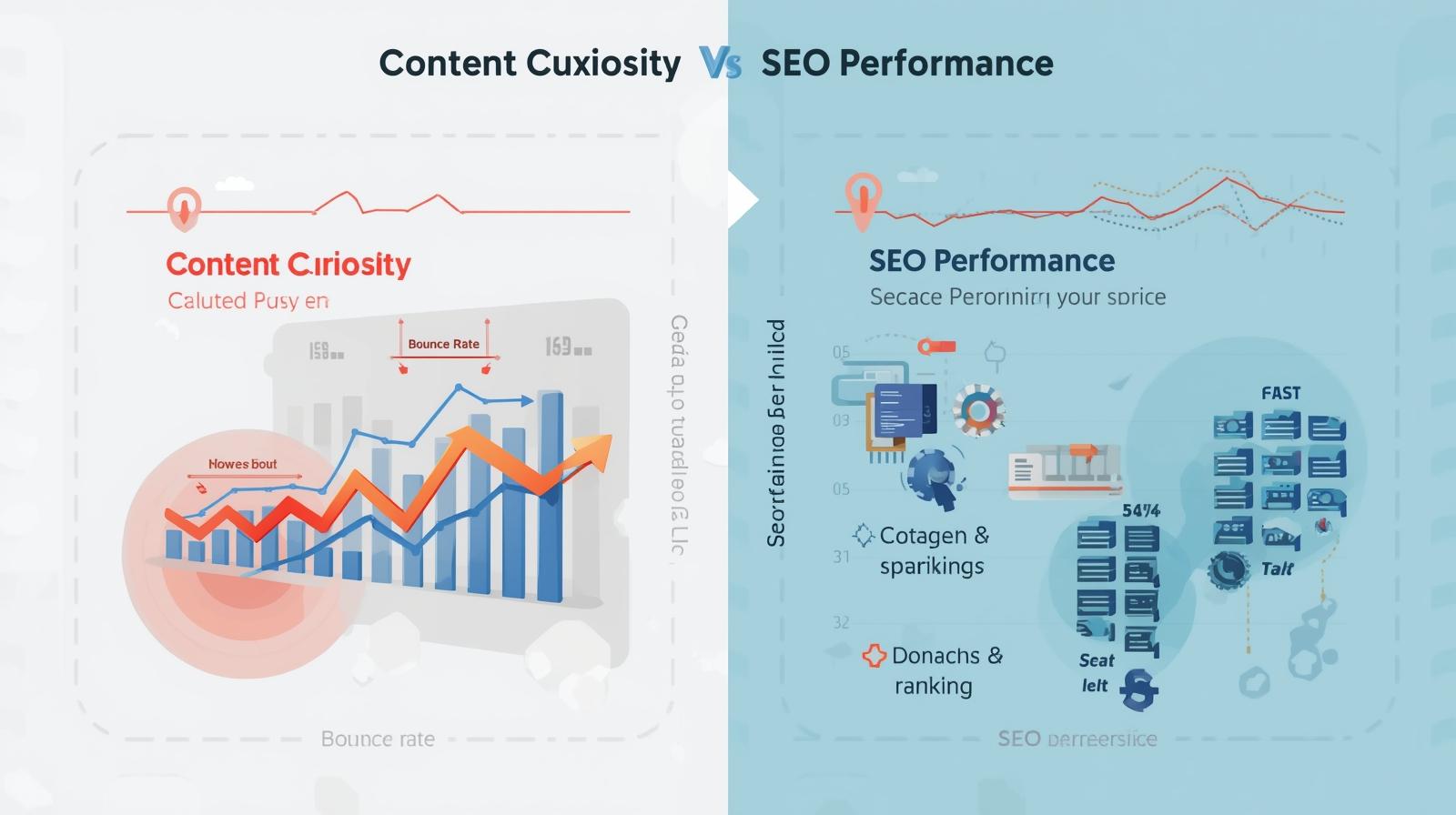
Search engine optimisation often feels obsessed with numbers. Metrics dominate dashboards, percentages dictate strategy, and bounce rate sits among the most misunderstood figures. Many students treat it as a villain and marketers fear it blindly. But reality tells a more nuanced story.
Bounce rate does not always signal failure. Curiosity often reshapes its meaning. Content curiosity transforms how users behave, and that transformation influences SEO performance quietly yet powerfully.
So, this article explores the tension between bounce rate and curiosity. Let’s see how it matters for your SEO in Geelong.
Understanding Bounce Rate Without Fear
Bounce rate measures single page sessions. A user lands and leaves with no further interaction. This definition sounds alarming and feels like rejection.
But context changes everything.
A user may find exactly what they wanted and leave satisfied. A user may bookmark mentally.
Bounce rate alone lacks emotion, motivation, and narrative. So, SEO experts must look deeper.
Why Bounce Rate Became a Misleading Metric
Early SEO treated bounce rate as a universal signal. High bounce rate implied poor quality, while low bounce rate implied success.
But search behaviour evolved and content consumption changed. Even devices have multiplied in recent years. Users now skim, scan, and multitask.
A single page may answer a question perfectly, yet that success still registers as a bounce.
A case of theory lagging behind behaviour.
Curiosity Changes User Interaction Entirely
Curiosity drives exploration, invites questions, and sparks movement. So, content that awakens curiosity encourages scrolling and clicking.
This behaviour alters engagement signals.
- Time on page increases.
- Page depth expands.
- Interaction grows naturally.
Search engines observe this quietly, rewarding you with rankings.
Curiosity Begins With the Headline
Headlines act as gateways. A bland headline satisfies minimally, but a curious headline teases meaningfully.
Curiosity headlines promise value without revealing everything. They suggest insight ahead. So, users commit attention willingly, reading further and scrolling deeper.
As a result, the bounce rate decreases organically.
The Psychology Behind Curiosity
Curiosity creates cognitive tension.
Humans dislike unanswered questions, so they seek closure. Well structured content uses this tension strategically. It introduces ideas gradually and withholds conclusions briefly.
This way, readers stay engaged and continue reading. Search engines detect this sustained attention, which influences ranking signals.
Why Informational Satisfaction Alone Falls Short
Answering questions quickly helps users, giving them a sense of satisfaction.
However, purely direct answers end sessions rapidly and users leave immediately. Curiosity layered content extends sessions, encouraging further discovery.
Search engines prefer such engagement richness. So, satisfaction and curiosity must coexist.
Scroll Depth as a Silent SEO Ally
Scrolling indicates interest. It shows commitment and reveals consumption.
Curiosity driven content encourages scrolling naturally.
- Sections unfold logically.
- Ideas connect progressively.
- Users reach lower sections.
- Readers encounter internal links and explore further pages.
This softens the bounce rate and improves your SEO in Geelong.
Internal Linking Thrives on Curiosity
Internal links succeed when curiosity exists. Forced links repel attention, while natural links attract interest rather smoothly. Curious readers welcome deeper exploration, and they click willingly.
This behaviour improves site architecture signals, distributes authority, and improves crawl efficiency.
So, curiosity can also fuel navigation.
Content Structure Shapes Curiosity Flow
Structure controls pacing. Poor structure, for instance, overwhelms readers, but strong structure guides readers.
- Short paragraphs improve rhythm.
- Subheadings create anticipation.
- White space offers breathing room.
The result: Curiosity remains alive. Readers stay longer. SEO benefits accumulate.
Why Search Engines Care About Engagement
Search engines always aim to satisfy users. They use various engagement metrics to reveal satisfaction indirectly.
- Time on page matters.
- Scroll behaviour matters.
- Interaction matters.
Curiosity amplifies all three mentioned above. Holistic engagement gains importance.
Bounce Rate Without Engagement Context Feels Incomplete
A page with high bounce and high time on page tells a different story. A page with high bounce and low time on page, however, signals trouble.
But including curiosity into websites can increase time spent. It also reduces quick exits.
So, evaluating bounce rate without curiosity ignores nuance. SEO analysis requires context.
Why Generic Content Fails to Inspire Curiosity
Generic content repeats known information. This is predictable for users and this predictability reduces engagement. Readers just skim briefly and leave quickly.
As a result, the bounce rate rises and search engines notice disinterest.
Curiosity demands originality.
Storytelling Strengthens Curiosity
As everyone’s aware, stories engage us emotionally and create narrative tension. So, experts use content framed as stories to retain attention longer on websites.
Consequently, readers follow progression and bounce rate declines.
Why Clickbait Backfires Long Term
Clickbait manipulates the curiosity of users and promises value falsely. This naturally makes users feel betrayed. So, they exit rapidly without much engagement with the website.
The result is that bounce rate spikes negatively and trust erodes. Search engines penalise such deceptive behaviour.
So, curiosity must remain authentic.
Curiosity Enhances Featured Snippet Potential
Structured curiosity also supports clarity. That is why clear answers must coexist with engaging depth. Search engines extract these snippets confidently and visibility increases.
Designing Content With Curiosity Intentionally
Last but not the least, writers must plan curiosity deliberately. For example, opening paragraphs should invite interest and sections should unfold logically. Questions should guide flow.
All in all, curiosity must feel natural. Only then, your SEO in Geelong will improve.
Conclusion
Bounce rate alone misleads, but curiosity completes the picture. Engaging content transforms user behaviour and influences your SEO in Geelong.
If you need further help in getting a grasp of this approach, feel free to contact Make My Website.
Good luck.