
 By businessnewstips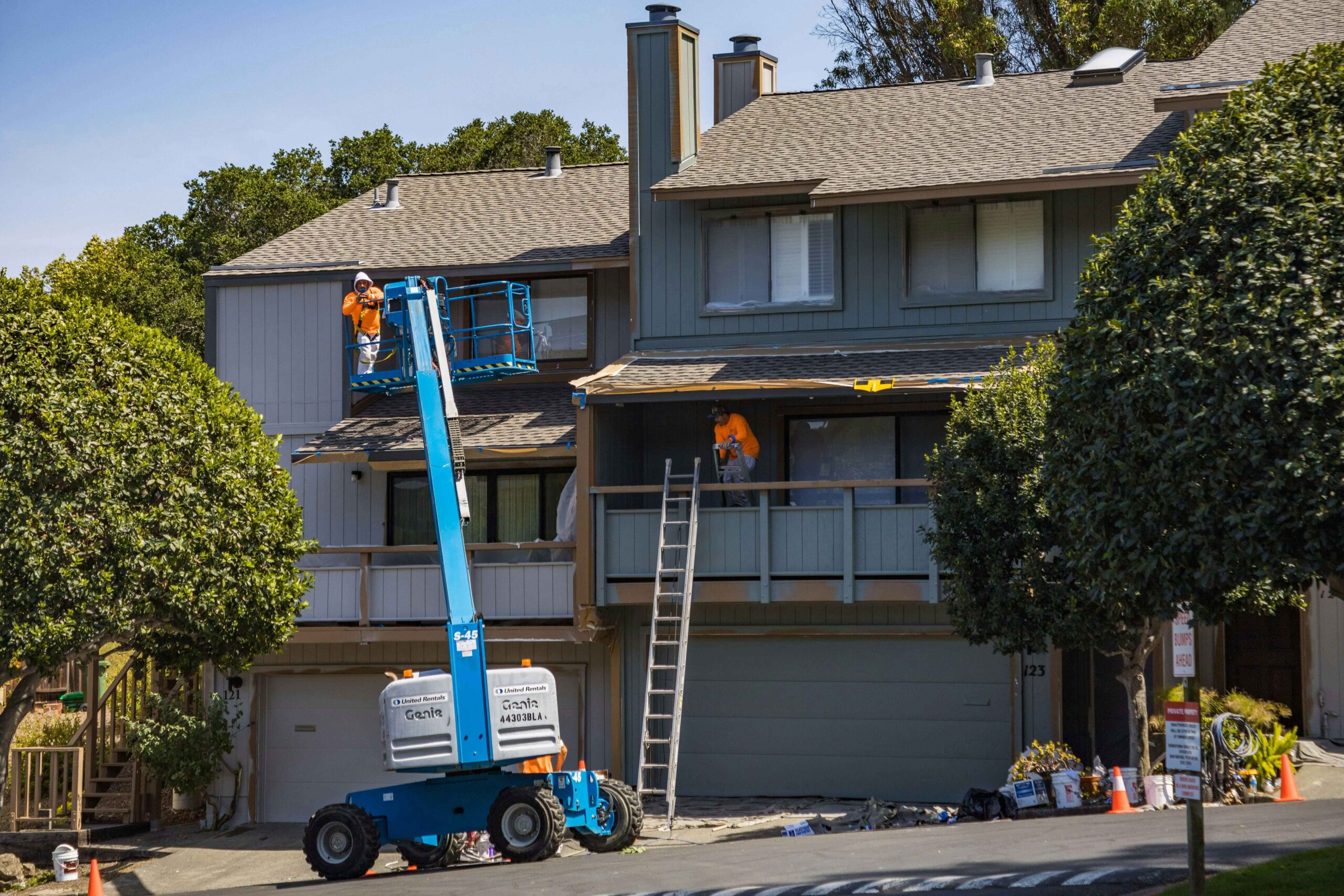
Upgrading or replacing your home’s siding is a significant investment that can dramatically improve curb appeal, energy efficiency, and long term protection. However, siding projects vary widely in cost depending on several key factors. Understanding what influences pricing helps homeowners plan more effectively, avoid surprises, and choose materials and services that align with their goals. Whether you are preparing for a full exterior renovation or addressing aging siding, knowing the primary cost drivers ensures a smoother, more informed decision making process.
Material Type and Quality
The siding material you choose is one of the biggest factors affecting overall project cost. Vinyl remains one of the most affordable and widely used options due to its durability, low maintenance needs, and variety of styles. Fiber cement siding, known for its strength and resistance to fire and pests, typically costs more but offers exceptional longevity. Wood siding provides a classic, natural look but requires more upkeep and may come with higher installation costs.
Metal, engineered wood, and composite siding materials also vary in price depending on their composition and performance features. Higher quality materials often come with longer warranties and better long term value, but they also increase upfront costs. Homeowners should weigh durability, maintenance requirements, and aesthetic preferences when selecting the right material for their budget.
Home Size, Layout, and Architectural Complexity
The size and design of your home play a major role in determining project cost. Larger homes require more materials and labor, naturally increasing the overall price. However, the layout and architectural details can have an even greater impact. Homes with multiple stories, steep rooflines, dormers, or intricate trim work require additional time and precision during installation.
Complex architectural features often demand specialized cutting, fitting, and sealing to ensure proper coverage and weather protection. These added steps increase labor hours and may require more experienced installers. Even smaller homes can incur higher costs if they include unique design elements that complicate the installation process.
Labor Expertise and Installation Requirements
Labor is a significant portion of any siding project, and the level of expertise required can influence the final cost. Experienced installers ensure proper alignment, secure fastening, and effective moisture management, all of which contribute to long term performance. Working with reputable siding contractors in Wichita, KS, helps ensure the job is completed correctly and efficiently, reducing the risk of future repairs.
Labor costs may also increase if the project involves removing old siding, repairing underlying damage, or installing additional components such as insulation or moisture barriers. These steps are essential for protecting your home but add time and complexity to the project. Choosing skilled professionals ensures that every layer of the siding system is installed with precision.
Removal, Repairs, and Preparation Work
Before new siding can be installed, the existing exterior must be evaluated and prepared. Removing old siding adds labor time and disposal fees, especially if the material is heavy or difficult to handle. In some cases, underlying issues such as rot, mold, or structural damage may be uncovered during removal. Addressing these problems is crucial for ensuring the new siding performs as intended.
Preparation work may also include installing house wrap, repairing sheathing, or adding insulation to improve energy efficiency. While these steps increase the overall cost, they contribute to better long term performance and can help prevent future issues. Proper preparation ensures the new siding adheres securely and provides maximum protection against the elements.
Additional Features and Customization Options
Customization can significantly influence the cost of a siding project. Decorative trim, upgraded soffits and fascia, unique color selections, and specialty finishes all add to the final price. Homeowners may also choose to incorporate features such as insulated siding, integrated moisture barriers, or enhanced weather resistant coatings.
These upgrades improve durability, energy efficiency, and aesthetic appeal but require additional materials and labor. Even small enhancements, such as custom window trim or accent panels, can increase project complexity. While customization adds to the investment, it also allows homeowners to create a personalized exterior that enhances curb appeal and long term value.
Conclusion
Siding projects involve several cost factors, including material selection, home design, labor expertise, preparation work, and customization options. Understanding these elements helps homeowners plan effectively and choose solutions that align with their budget and long term goals. If you’d like help comparing siding materials or outlining a project plan, I can put together a clear breakdown tailored to your needs.