
 By businessnewstips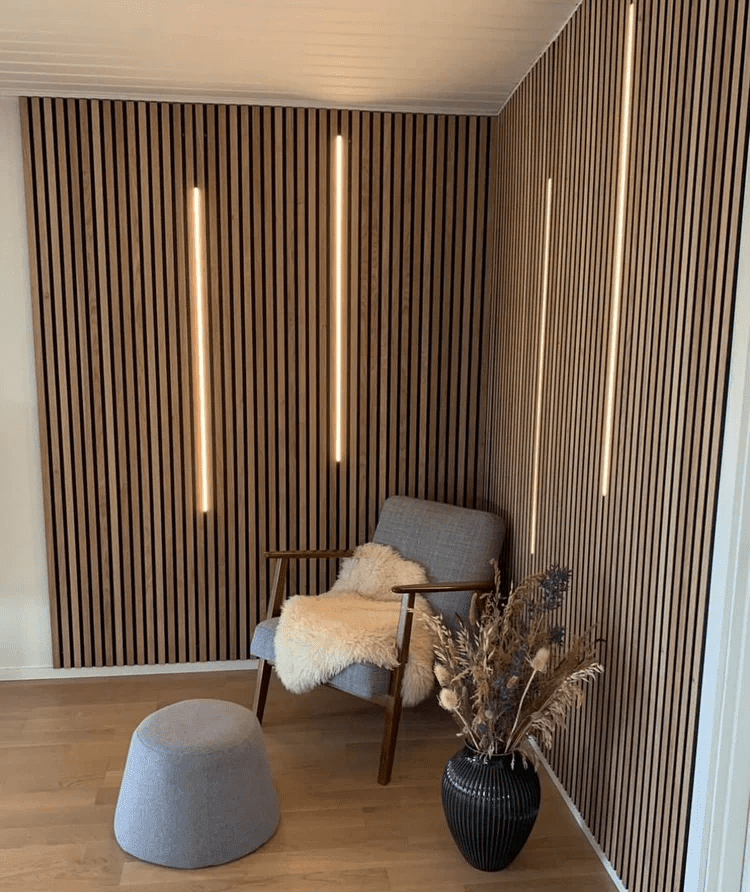
When most people think about WPC panels, they imagine exterior wall cladding: clean lines, timber look, and low maintenance. But there’s far more you can do with this versatile material outdoors.
Across Australia, builders and designers now use WPC wall panels, ceiling panels, and feature panels in al fresco areas, outdoor ceilings, entry zones, and external architectural features. If you are planning an upgrade to your outdoor space, this guide will show how WPC outdoor panels can transform your home creatively and practically, with products available from trusted suppliers like CLADsmart.
What Are WPC Panels, and Why Are They Ideal for Outdoor Use?
WPC stands for wood plastic composite. It combines recycled wood fibres and polymers to create a durable, weather-resistant material designed for external environments.
Australian conditions can be harsh. Materials must handle:
- Strong UV exposure
- Heavy rain
- Humidity
- Coastal salt air
- Temperature changes
High-quality WPC Australia products are engineered specifically for outdoor performance. Many include UV stabilisers, moisture resistance, and termite protection.
Homeowners choose them because they:
- Do not require staining or painting
- Resist warping and cracking
- Clean easily with water
- Maintain consistent colour
Now let us explore how they can go beyond standard wall cladding.
Transforming Al Fresco Areas with WPC Outdoor Panels
Outdoor entertaining spaces are central to Australian living. A well designed al fresco area should feel inviting while standing up to the elements.
Ceiling Linings for Covered Outdoor Areas
Instead of leaving ceilings plain, many homeowners now install WPC ceiling panels in covered patios and pergolas.
This approach:
- Adds warmth without ongoing timber maintenance
- Handles humidity better than many traditional timber products
- Conceals wiring and outdoor lighting
- Creates a more finished architectural look
Slatted profiles are especially popular. They create shadow lines that add depth and interest, particularly when paired with feature lighting.
Outdoor Kitchen Backdrops
Outdoor kitchens need surfaces that cope with splashes, heat, and changing weather.
While tiles are common, WPC outdoor panels offer a streamlined alternative. They can frame BBQ zones, wrap around bench bases, or line protected backdrops within covered spaces.
Because they resist moisture, they are well suited for semi exposed entertaining areas.
Privacy Screens and Dividers
In suburban areas, privacy matters.
Instead of traditional timber battens, many homeowners now use WPC feature panels as decorative outdoor screens. Slatted systems allow airflow while still providing separation from neighbouring properties.
This solution feels modern and cohesive, especially when matched with exterior cladding.
Elevating Outdoor Ceilings with WPC Ceiling Panels
Ceilings in outdoor areas often get overlooked. Yet they can dramatically improve the look of a space.
Adding Warmth to Pergolas and Verandahs
Covered verandahs and pergolas sometimes feel unfinished with exposed beams or basic linings.
Installing WPC ceiling panels creates a cohesive and polished finish. The timber look softens outdoor structures while keeping maintenance low.
This works well for:
- Coastal homes
- Contemporary builds
- Outdoor dining areas
- Poolside cabanas
Defining Zones in Large Outdoor Areas
If your backyard includes multiple entertaining zones, ceiling treatments can help visually separate them.
Running WPC panels across a specific ceiling section above a dining table or lounge area subtly defines the space without adding walls.
This keeps the layout open while still giving each zone its own identity.
Creating Standout Outdoor Feature Zones
Feature walls are common, but feature zones go further. They shape how a space feels from the moment you step outside.
Fireplace and Outdoor Heater Surrounds
Outdoor fireplaces and heaters naturally draw attention. Cladding the surrounding area with WPC feature panels adds depth and texture.
Vertical lines create height. Horizontal lines create width. Dark tones feel bold, while lighter finishes blend with natural landscaping.
Always confirm clearance requirements and product suitability near heat sources.
Entry Statements
First impressions start at the front of the home.
Cladding entry recesses or porch walls with WPC wall panels creates a striking arrival point. It also protects high traffic areas from weather exposure.
Pairing wall panels with matching WPC ceiling panels under the porch gives the exterior a cohesive and considered look.
Garden and Landscape Features
WPC outdoor panels can also enhance:
- Built in planter boxes
- Outdoor bench seating bases
- Pool equipment screening
- Boundary feature walls
These applications help tie landscaping and architecture together using a consistent material palette.
Why Australians Choose WPC Panels Australia for Outdoor Projects
There are practical reasons behind the growing demand.
Low Maintenance Living
Traditional timber outdoors often requires regular oiling or sealing. Over time, that becomes costly and time consuming.
WPC panels reduce that burden. A simple wash removes dirt and dust.
Resistance to Weather and Pests
In coastal regions, salt air damages untreated timber. In humid climates, moisture leads to swelling and mould.
Quality WPC panels Australia products are engineered to resist moisture, termites, and common outdoor wear.
Consistent Appearance
Natural timber varies in colour and grain. While beautiful, this can create inconsistencies across large areas.
WPC ceiling panels and wall panels offer uniform tone, which helps achieve a clean and controlled exterior design.
Sustainability Appeal
Many manufacturers use recycled materials in WPC wall panels. This supports more environmentally conscious construction choices.
Choosing the Right WPC Panels Australia Supplier
Not all products perform the same. Before purchasing, review:
- UV resistance data
- Fire classification
- Moisture performance
- Warranty terms
- Installation system
- Available trims and accessories
Visit showrooms where possible. Seeing full length samples in natural light helps you assess colour and texture accurately.
Ask suppliers about:
- Lead times
- Delivery options
- Recommended installers
- Technical documentation
Reliable suppliers will provide clear product specifications and compliance information.