
 By businessnewstips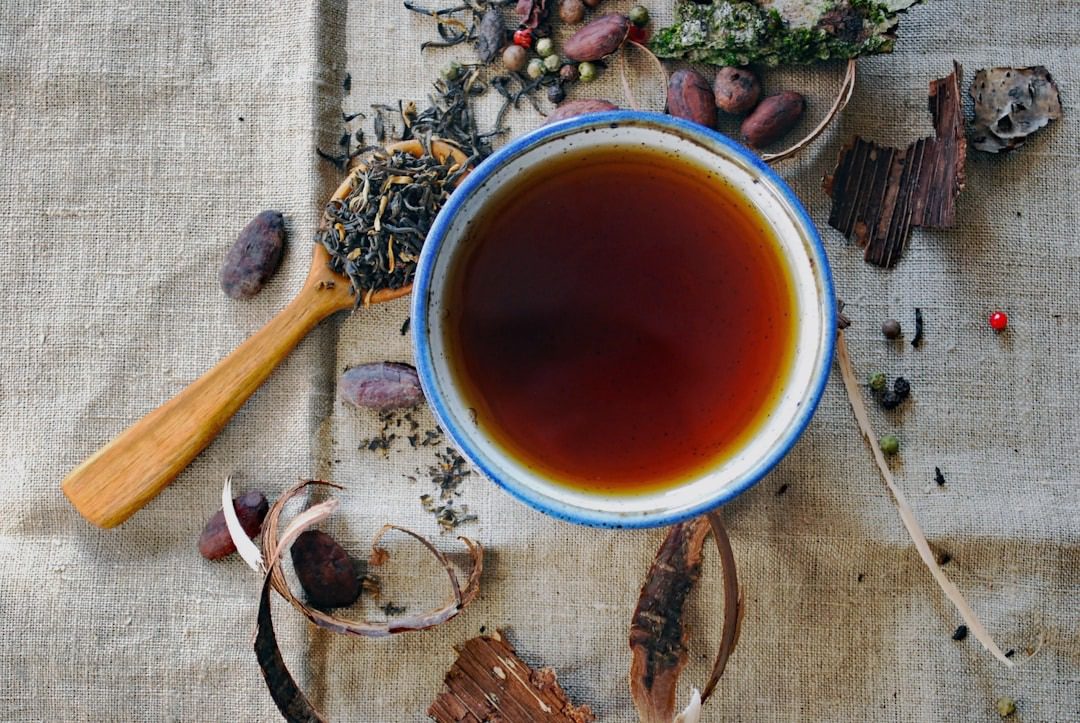
Gourmet tea is a luxury that captivates the senses with aromatic blends and flavors originating from the world’s most prestigious tea-producing regions. Unlike standard teas, gourmet varieties offer a distinctive taste and quality, often hand-crafted and sourced from high-grade leaves. As connoisseurs seek the ultimate indulgence in their cup, the demand for these exquisite brews has escalated, leading to a burgeoning market of specialty teas enriched with heritage and authenticity.
The pursuit of the perfect cup of gourmet tea leads many through a labyrinth of rich flavors, artisanal qualities, and cultural traditions. Below, we unpack the nuances of selecting, brewing, and savoring the finest teas, complete with tips on pairing them with food and understanding the importance of sustainable sourcing within this indulgent industry.
Exploring the Exquisite Varieties of Gourmet Tea
Gourmet teas are celebrated for their immense variety and complexity. From the robust, malty flavors of Assam black tea to the delicate, floral notes of a High Mountain Oolong, there is a spectrum of choices for every palate. Green teas, such as Matcha, are rich in antioxidants, while white teas offer the gentlest, least processed form of the leaf, promising a subtle infusion.
To delve into this palette of flavors, start with samples or curated selections from reputed vendors. For aficionados interested in nuanced flavors and brewing rituals, Tavalon Tea offers a carefully curated catalogue catering to both the novice and seasoned tea drinker alike, emphasizing quality and variety.
How to Select and Brew the Perfect Cup of Gourmet Tea
Quality is king when it comes to selecting gourmet tea. Look for fresh, whole leaves, which generally yield a more complex and flavorful cup than broken leaves or tea dust found in standard bags. The appearance of the leaves can be telling: they should be uniform in size and vibrant in color, indicating careful handling and freshness.
Water temperature and steeping time are paramount in brewing gourmet tea. Each variety has its optimal brewing conditions: for example, green tea requires water around 175°F and a steeping time of 1 to 3 minutes to avoid bitterness. Black teas, on the other hand, can withstand boiling water and benefit from a 3 to 5-minute steep.
Meticulous brewing not only enhances flavor but also ensures that you get the most out of the tea’s health benefits. Investing in a quality teapot and accessories, like a precise thermometer and a timer, can be useful. Conduct a few trials to find your preferred strength and flavor—it’s both an art and a science.
Pairing Gourmet Teas With Meals for Enhanced Flavor Profiles
The art of tea pairing is akin to wine pairing; it accentuates the dining experience. Gourmet teas can complement or highlight flavors within a meal, turning a simple dish into a symphony of taste. For instance, the clean, grassy notes of a Japanese Sencha can cut through the richness of fried foods, while the nuanced sweetness of a white tea pairs well with light fish or salads.
Teas can also be marvelously paired with desserts. The deep, earthy nuances of a Pu-erh tea can enhance the flavors of dark chocolate, while the natural sweetness and herbal fragrance of a chamomile blend might complement fruit-based desserts. These combinations can elevate the conclusion of any culinary experience.
Start by considering the dominant flavors of your meal—spicy, savory, sweet, or sour—and choose a tea that can either balance or amplify these elements. Experimentation is key; keep notes on successful pairings and consult tea sommeliers for expert advice on matching teas with your menu.
Sustainable and Ethical Sourcing in the Gourmet Tea Industry
With increased awareness of environmental and social issues comes a greater demand for sustainably sourced products. Gourmet tea consumers often value ethical practices and are willing to invest in teas that support eco-friendly initiatives and fair labor conditions. Opting for organic teas not only promotes health benefits but also supports farming methods that protect ecosystems.
Transparency in the supply chain is an essential indicator of ethical sourcing. Brands that disclose their farm locations, harvest methods, and worker welfare policies garner trust and loyalty from consumers. To illustrate, tea estates certified by bodies like the Rainforest Alliance or Fair Trade signify adherence to rigorous environmental and social standards.
Ultimately, the world of gourmet tea offers a diverse and enriching experience that extends far beyond the convenience of common tea bags. In embracing the craftsmanship behind each variety, understanding the brewing techniques, experimenting with thoughtful pairings, and choosing sustainably sourced products, tea enthusiasts can enhance both their palette and the world around them. The journey into gourmet tea is both a personal indulgence and a nod to the deeper heritage that lies within each leaf.