
 By businessnewstips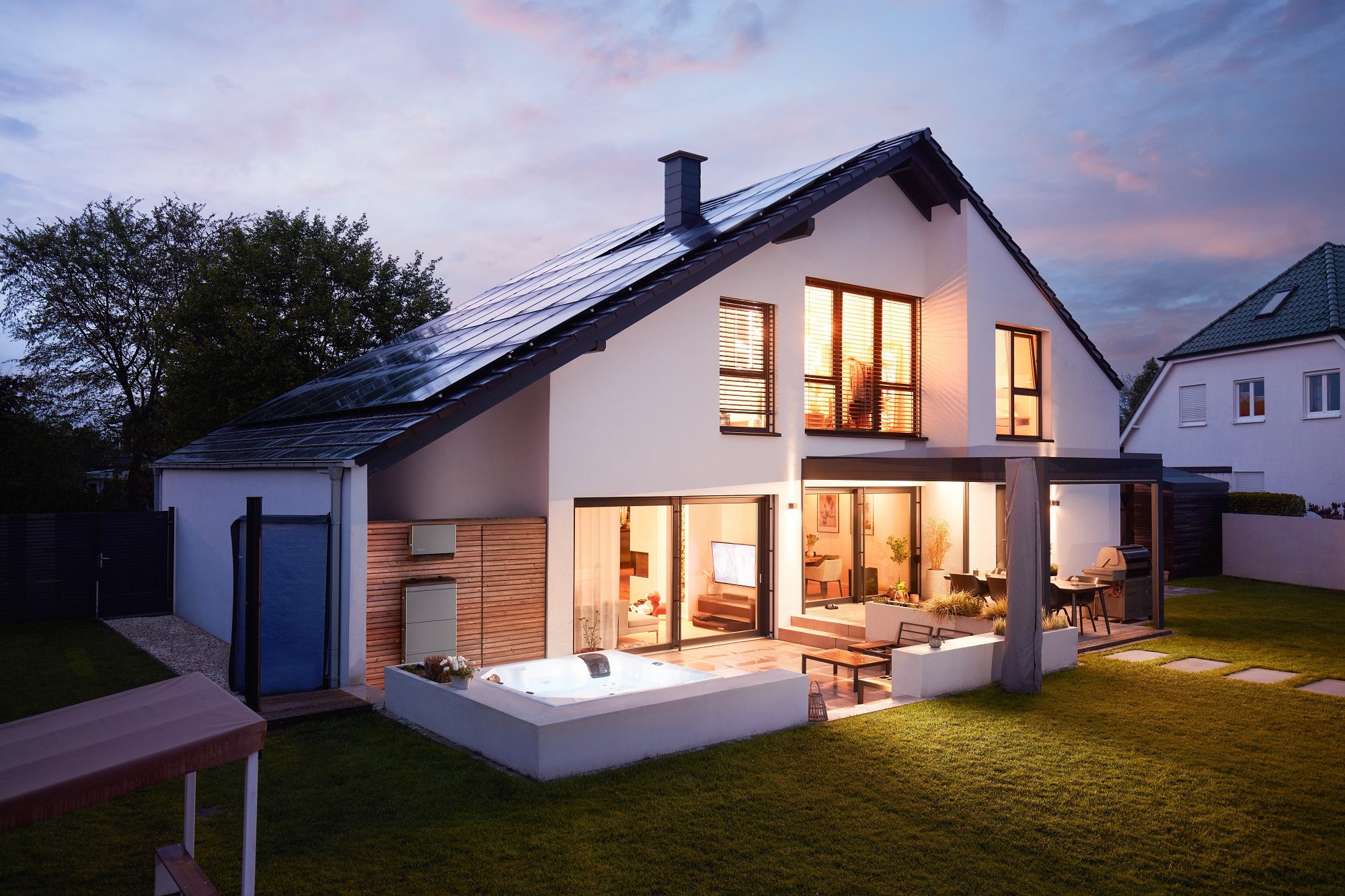
For the better part of a decade, the “Australian Dream” has included a specific visual: a quarter-acre block, a Hills Hoist in the backyard, and a roof glistening with solar panels. We have chased this dream with enthusiasm, leading the world in rooftop solar uptake. From the suburbs of Western Sydney to the coastal towns of Queensland, millions of homeowners have slapped panels on their tin and tile roofs, driven by the promise of slashed bills and green energy.
But in 2026, the dream is evolving. The conversation at the neighborhood BBQ has shifted from “How big is your system?” to a more pressing question: “What happens when the grid goes down?”
As our summers become hotter, our storms more violent, and our coal-fired power stations steadily retire, the stability we once took for granted is showing cracks. For a growing number of Australians, the goal is no longer just “saving money”—it is “energy security.” The realization is dawning that true power isn’t about what you generate; it’s about what you can keep.
The “Solar paradox”: Why your panels quit when you need them most
There is a widespread misconception among solar owners that serves as a rude awakening during their first blackout. It goes something like this: The storm hits, the streetlights flicker and die, and the house plunges into darkness. The homeowner looks at their solar inverter, expecting the green light to stay on because the sun is shining (or it’s daytime). Instead, the system is dead.
This is the “Solar Paradox.” Standard grid-tied solar inverters are designed with a mandatory safety feature called “anti-islanding.” When the grid goes down, your inverter must shut off immediately. This is to prevent your system from sending live electricity back into the dead power lines, which could electrocute line workers trying to fix the outage.
The result? You are left sitting in a dark, sweltering house with a perfectly functional 10kW power plant on your roof that you are forbidden from using. You are technically energy-rich, but practically powerless.
The only way to bypass this paradox is with reliable solar battery storage. A smart battery system acts as the bridge. When the grid fails, the system instantly isolates your home (disconnecting it from the street) and creates its own “micro-grid.” This allows your solar panels to stay active, feeding your home and charging your battery, keeping your lights on while the rest of the street waits for the utility trucks.
The new standard of safety: Why chemistry matters
As we move toward this model of independence, the hardware we install in our homes matters more than ever. In the early days of home storage, early adopters often had to settle for repurposed technology—batteries that were essentially scaled-up versions of what you’d find in a laptop or phone.
But Australian conditions are unforgiving. A battery installed on the side of a house in Adelaide or Penrith might face ambient temperatures of 45°C in the shade. In these conditions, safety is non-negotiable.
This is why the industry leader EcoFlow has championed the shift toward Lithium Iron Phosphate (LFP) chemistry. Unlike the older Nickel Manganese Cobalt (NMC) batteries, LFP is chemically superior for stationary storage. It has a much higher thermal runaway threshold, meaning it is incredibly difficult to overheat to the point of failure.
For Australian families, this offers peace of mind. An LFP battery is not just safer; it is longer-lasting. These cells can endure thousands of charge cycles—often lasting 15 years or more—without the significant degradation seen in older tech. When you are building a fortress for energy security, you want the foundation to be rock solid.
Built tough: Weatherproofing and durability
Safety isn’t just about chemistry; it’s about surviving the environment. Australia is a land of extremes—dust from the outback, salt spray from the ocean, and torrential monsoonal rains.
Modern storage systems have moved out of the garage and into the elements. Top-tier systems now boast IP65 ratings, making them completely dust-tight and resistant to low-pressure water jets from any angle. Furthermore, the physical build quality has skyrocketed. We are seeing systems tested to withstand massive physical pressure (up to 40,000 N), ensuring that accidental bumps, flying debris during storms, or the wear and tear of family life won’t compromise the unit.
Power without compromise: The “Whole-home” solution
Perhaps the biggest shift in 2026 is the sheer power capability of modern storage. Five years ago, having a battery meant living a “rationed” life during a blackout. You could run the fridge and a few LED lights, but if someone turned on the kettle or the microwave, the battery would trip.
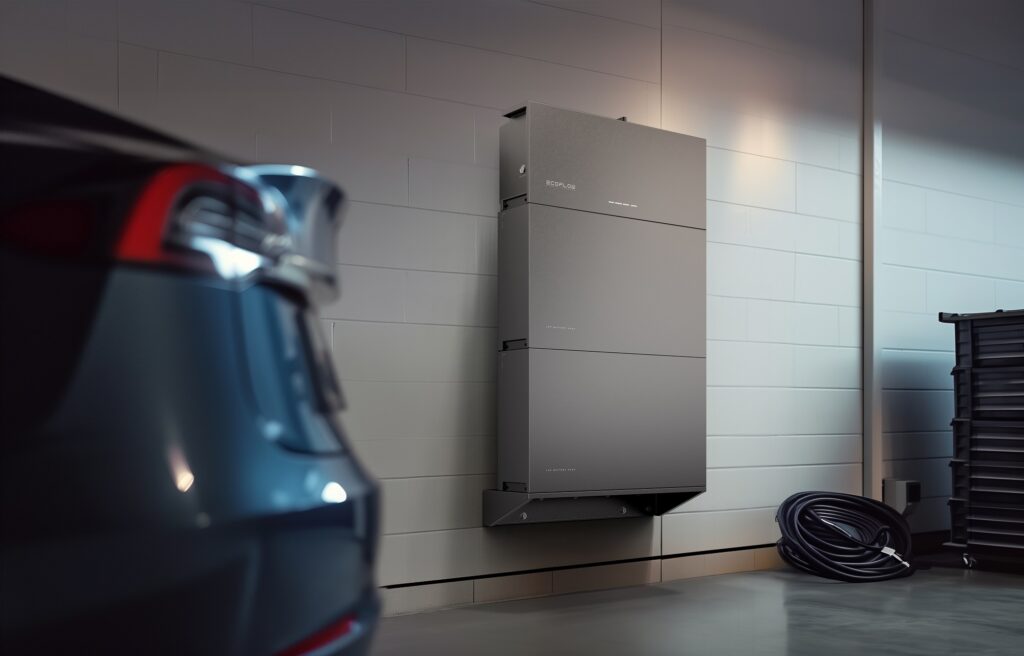
That is no longer acceptable. The modern Australian home is an electric ecosystem with induction cooktops, ducted air conditioning, and pool pumps. To support this high-load lifestyle, you need the EcoFlow PowerOcean home battery.
It utilizes an 800V high-voltage architecture to deliver a power output of 10kW-12kW (for 60 seconds), making it capable of supporting a three-phase home during outages when loads are properly managed.
Furthermore, its stackable design allows you to expand capacity up to 45kWh, turning “emergency backup” into “business as usual.”
The EV connection: Driving on sunshine
We cannot talk about the modern home without mentioning the car in the driveway. As EV adoption accelerates across Australia, the relationship between your roof and your car becomes critical.
Without a battery, charging an EV is tricky. You have to plug in exactly when the sun is shining, or you end up pulling expensive power from the grid. With a substantial home battery, you gain the buffer you need. You can store that midday sunshine and dump it into your car when you get home from work.
It creates a closed loop: You generate the fuel, you store the fuel, and you drive on the fuel. This is the ultimate expression of energy independence—insulating yourself not just from electricity price hikes, but from petrol price volatility too.
Software: The brain behind the brawn
Finally, the glue that holds this independence together is software. Managing a mini power station sounds complex, but it shouldn’t be the homeowner’s job.
Advanced HEMS (Home Energy Management Systems) now act as the brain of the operation. These systems monitor the weather forecast, learn your usage habits, and track grid pricing in real-time.
- Proactive Emergency Backup: Forget guessing when the next blackout might hit. By integrating with OpenWeather, the system can detect severe weather risks up to 24 hours in advance. If a storm is approaching, it automatically prioritises charging your battery to 100% from the grid immediately, ensuring you are facing the blackout with a full tank of energy.
- Intelligent SmartEarning Mode: On days with high volatility, the system uses Dynamic Tariff integration to store energy when electricity prices are low (or free) and discharge it during the evening peak when rates are highest. This automated “buy low, use high” strategy maximises your financial return without you lifting a finger.
The Verdict: Future-proofing your Australian dream
The definition of a “smart home” has changed. It used to mean voice-activated lights and a connected fridge. Today, a smart home is a resilient home. It is a home that keeps running when the suburb goes dark, protects its occupants with industrial-grade safety features, and intelligently trades energy to slash bills.
Financial savings will always be the hook that gets people interested in solar. But for Aussies looking at the long term, the true value of the Home Energy Ecosystem is peace of mind. It is the knowledge that your system is actively checking the weather for storms, prioritizing your EV charging, and maximizing every kilowatt of sunshine you capture.
With the flexibility of the PowerOcean series, you don’t need to predict the future—you just need a system that can evolve with it. The math has tipped, the technology is ready, and the message is clear: Stop renting your energy. Store it, use it, and take control of your future.