
 By Simon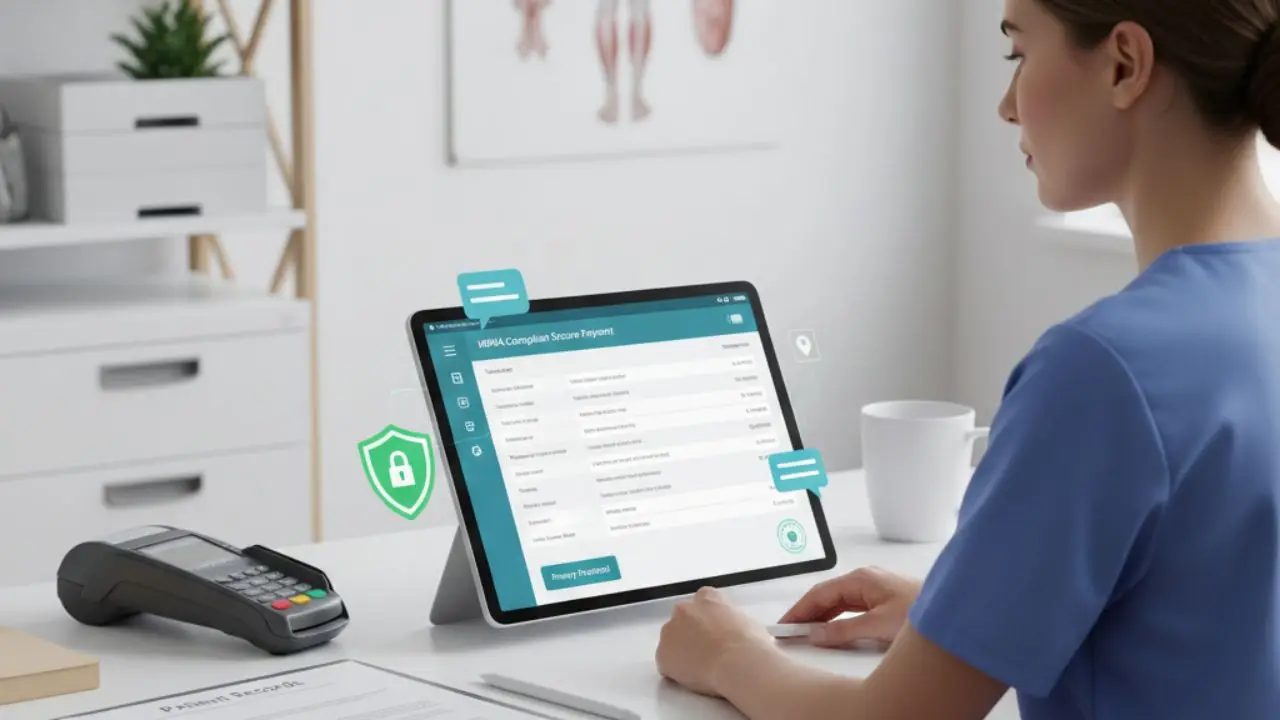
The Health Insurance Portability and Accountability Act sets standards for protecting sensitive patient health information. When healthcare providers process payments, they often handle PHI alongside credit card data. To remain compliant, they must implement strong security measures and sign business associate agreements if their payment processor accesses or stores PHI. The U.S. Department of Health and Human Services notes that payment processors are not business associates if they merely transmit funds and do not access PHI. However, processors that provide additional services—such as billing support—may fall under HIPAA and require a BAA.
Key Points
Encryption is a cornerstone of HIPAA compliance. Data should be encrypted both at rest and in transit to prevent unauthorized access. Access controls must restrict who can view or alter patient records, and systems should log all user activity. Regular security audits and risk assessments are required to identify vulnerabilities and implement corrective actions. Healthcare organizations should partner with processors that perform routine penetration testing and security assessments.
TechnologyAdvice explains that processors handling PHI must offer end‑to‑end encryption, secure authentication and audit trails. They should sign BAAs and provide clear policies on data storage and transmission. Some processors use tokenization to replace sensitive data with non‑identifiable symbols, reducing the risk of a breach. Others implement multifactor authentication to ensure that only authorized users can access payment systems.
Training and policies also play a critical role. Staff must be educated on HIPAA requirements, including how to handle PHI and payment data. Practices should establish written policies outlining procedures for secure storage, transmission and disposal of sensitive information. Regular training reinforces these policies and helps prevent human error—a leading cause of data breaches.
By selecting a healthcare payment processor that prioritizes HIPAA compliance, providers can reduce the risk of fines and reputational damage. A compliant processor protects patient privacy, builds trust and supports the healthcare organization’s commitment to data security.
Transparency in medical billing builds trust between patients and providers. When patients understand what they’re paying for, they are less likely to be confused or feel taken advantage of. Itemized statements that clearly explain services, insurance contributions, and patient responsibilities can reduce disputes and improve collections. Transparent billing also empowers patients to plan financially and discuss payment options without fear of hidden fees. Practices that prioritize transparency often see higher satisfaction scores and stronger long‑term relationships with their patients.
Importance of Transparent Billing
Technology is transforming how healthcare organizations manage payments. More practices are adopting contactless options, patient portals, and apps that allow people to pay securely from their mobile devices. Artificial intelligence and machine learning are being used to predict billing errors, detect fraud, and personalize payment plans based on patient history. As telehealth expands, integrated payment systems that work across in‑person and virtual appointments will become essential. Staying ahead of these trends helps providers remain competitive and ensures that billing processes meet patient expectations for convenience and security.
Enhancing Patient Experience Through Secure Payments
Modern healthcare payment systems not only need to be secure but also user-friendly. A streamlined checkout process—whether through online portals, mobile apps, or point-of-sale terminals—reduces wait times and minimizes administrative burdens. Patients appreciate transparency, so providing clear invoices and payment options like credit cards, HSA/FSA accounts, and contactless payments builds trust.By investing in robust encryption, tokenization, and fraud detection, clinics can protect sensitive data while ensuring transactions are quick and convenient. A positive payment experience often translates into higher patient satisfaction and improved financial outcomes for providers.
Future Trends in Healthcare Payment Technology
The healthcare industry is rapidly adopting advanced technologies such as artificial intelligence, machine learning, and blockchain to streamline payments. AI-powered systems analyze transaction patterns to detect fraudulent activity in real time. Blockchain-based platforms offer decentralized, tamper-resistant ledgers that enhance transparency and data security.Integration with electronic health records (EHRs) and telehealth platforms allows for seamless billing across services. As telehealth continues to grow, payment processors must adapt to remote consultations and digital care delivery. Staying current with technological advancements is crucial for healthcare organizations aiming to optimize revenue cycles and provide excellent patient care.
Conclusion
Choosing a healthcare payment processor that prioritizes security, efficiency, and innovation empowers providers to focus on delivering quality care. By adopting forward-thinking solutions, organizations can reduce administrative stress, enhance patient trust, and stay prepared for the future of medical billing.
Additional Insights: Training staff on best practices, maintaining compliance with HIPAA and PCI standards, and monitoring industry trends are essential components of a robust payment strategy. A proactive approach to technology adoption will help ensure that healthcare organizations remain competitive and deliver a patient-friendly payment experience.