
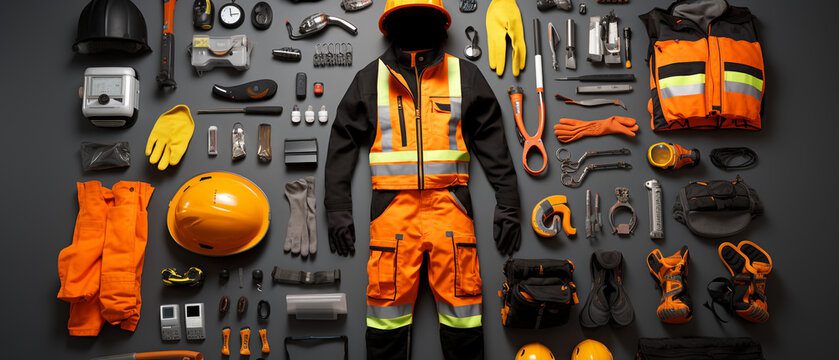
Plenty of businesses treat uniforms as a box to tick. Get the shirts done, add the logo, move on. In reality, workwear does a lot more than cover a dress code. It affects safety, presentation, team consistency, and the way customers read a business in the first few seconds.
That’s part of the reason suppliers like Safe-T-Rex sit in a pretty useful spot. Workwear isn’t only about looking branded. It has to hold up on the job, suit the environment, and still make the team look like they belong to the same business.
The uniform often speaks first
Before anyone explains what the company does, the visual cues are already doing their job.
People notice whether staff look prepared. They notice if the clothing suits the work. They notice if the branding looks crisp or slapped on as an afterthought. For customer-facing businesses especially, that impression lands almost instantly.
A clean, consistent uniform makes the business feel more settled. More established. It gives off the sense that there’s a system behind the scenes, even if the customer only sees one person standing in front of them.
Safety gear has to work hard
In some roles, workwear is mostly about presentation. In others, it’s a practical layer that can’t afford to fail.
High-vis gear, protective footwear, durable fabrics, weather-appropriate outerwear, industry-specific requirements, all of that matters long before branding enters the picture. If the clothing is uncomfortable, flimsy, or wrong for the conditions, people notice fast, especially the ones wearing it for eight or ten hours straight.
That’s why good workwear tends to earn respect quietly. It doesn’t need to be flashy. It just needs to fit the job properly and keep doing it.
Looking professional still counts
Even in industries where the work itself matters far more than appearance, presentation still shapes trust.
A tidy, well-branded team looks easier to deal with. Customers feel more confident opening the door, handing over a job, or asking questions on-site. Uniforms also make things simpler in busy environments where clients need to know who actually works there.
There’s a practical side to that too. If everyone’s dressed consistently, the business feels easier to recognise and easier to remember.
Teams usually wear it better when it feels made for them
Nobody enjoys being shoved into stiff, awkward uniforms that look decent in a catalogue and terrible in real life.
Workwear lands better when people can move in it, layer it properly, and wear it without feeling like they’re stuck in a costume. That sounds obvious, but plenty of businesses still get this wrong. They focus on logo size and forget the person doing the actual work.
The better approach is simpler. Start with what the role demands, then build the branding into that. Not the other way around.
It can sharpen the culture a bit too
Uniforms don’t magically create team pride, but they can reinforce it.
When staff are dressed consistently, the group tends to feel more cohesive. There’s less ambiguity around presentation, fewer random wardrobe choices, and a clearer sense of who represents the business. For growing companies, that can make things feel more organised internally as well as externally.
It also helps new starters slot in faster. They look part of the team straight away, which does have a psychological effect, even if it’s subtle.
Small details carry more weight than people expect
A strong uniform setup usually isn’t built on one dramatic feature. It’s the smaller decisions that make it feel right.
A logo placed cleanly. Colours that suit the brand without being a visual mess. Fabrics that survive repeated wear. Outerwear that matches the rest of the range instead of looking like it came from somewhere else entirely. The businesses that get this right tend to look sharper without trying too hard.
That matters because customers may not describe those details out loud, but they absolutely register them.
Workwear is part of the brand in the real world
A website matters. Signage matters. Social media matters. But uniforms are where branding leaves the screen and turns up in real life.
They’re seen on-site, in vehicles, at events, in warehouses, at front counters, in client homes, on footpaths, in staff photos, and across day-to-day operations. Few brand assets get that much exposure in actual use.
Which makes workwear a fairly practical investment when it’s handled properly. Not just because it looks good, but because it pulls together safety, consistency, and public-facing professionalism in one place.
It’s not a finishing touch
That’s probably the shift in thinking more businesses are making now. Workwear isn’t some last-minute add-on once the “real” brand decisions are done. It’s part of how the business is experienced.
If the gear works, the team feels better in it. If the presentation’s consistent, customers feel more at ease. If the safety side’s covered properly, the business is doing its job on multiple levels at once.
That’s a lot of responsibility for a uniform, but fair enough. It’s earning its keep.