

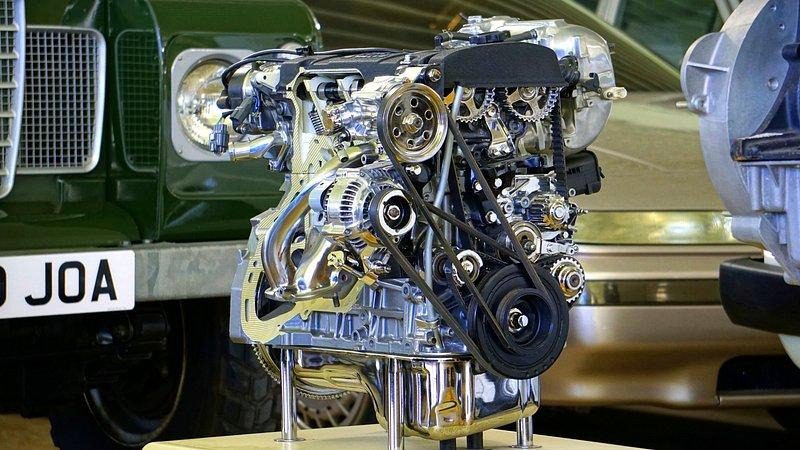
Fuel injectors are among the most precise components in any modern engine. Designed to deliver exact amounts of fuel under high pressure, they directly influence performance, efficiency, and emissions. While injectors are built to withstand demanding conditions, they are not immune to wear, contamination, or operational stress.
For drivers, technicians, and equipment operators, preventing injector issues is far more cost-effective than repairing or replacing them. A proactive approach not only extends engine life but also ensures consistent performance across a wide range of applications—from everyday vehicles to heavy machinery.
Why Fuel Injectors Fail Over Time
Injector failure is rarely sudden. Instead, it develops gradually due to a combination of environmental and mechanical factors. Understanding these causes is the first step toward prevention.
Fuel Contamination
Impurities such as dirt, water, and debris can enter the fuel system and clog injector nozzles. Over time, this restricts flow and disrupts the spray pattern, leading to inefficient combustion.
Carbon Buildup
Incomplete combustion can leave deposits on injector tips. These deposits alter the way fuel is atomized, reducing efficiency and increasing emissions.
Wear from High Pressure
Modern injectors operate at extremely high pressures, particularly in diesel engines. While this improves performance, it also accelerates wear on internal components.
Electrical and Control Issues
Injectors rely on signals from the engine control system. Faulty wiring or control modules can cause injectors to malfunction even if they are mechanically sound.
Injector Maintenance in Agricultural and Heavy Equipment
Fuel injectors in tractors, harvesters, and industrial engines face harsher conditions than those in standard vehicles. Dust, long operating hours, and heavy loads increase the likelihood of contamination and wear.
For operators in these environments, focusing on preventing fuel injector issues is essential for maintaining productivity. Even minor injector inefficiencies can lead to uneven performance, increased fuel consumption, and costly downtime during critical operations.
The Role of Clean Fuel Systems
Maintaining clean fuel storage and filtration systems is particularly important in agricultural settings. Preventing contaminants from entering the system is one of the most effective ways to protect injectors.
Early Signs of Injector Problems
Recognizing injector issues early allows for timely intervention and prevents more serious engine damage. While symptoms may vary, several common indicators should not be ignored.
Rough Idling
Uneven fuel delivery can cause the engine to idle roughly or inconsistently, especially when cold.
Reduced Fuel Efficiency
When injectors fail to atomize fuel properly, combustion becomes less efficient, leading to higher fuel consumption.
Loss of Power
Engines may struggle under load if injectors cannot deliver sufficient fuel.
Excessive Smoke
Incomplete combustion often results in visible exhaust smoke, particularly in diesel engines.
Preventive Maintenance Strategies That Work
Preventing injector failure requires consistent maintenance and attention to detail. These strategies are widely used by professionals to extend injector life.
Use High-Quality Fuel
Fuel quality has a direct impact on injector performance. Clean, high-grade fuel reduces the risk of contamination and deposit formation.
Replace Fuel Filters Regularly
Fuel filters are the first line of defense against contaminants. Keeping them in good condition prevents debris from reaching injectors.
Periodic Fuel System Cleaning
Cleaning the fuel system helps remove deposits and maintain proper injector function. This can be done using additives or professional services.
Monitor Engine Performance
Paying attention to changes in engine behavior can help detect issues early. Addressing minor problems promptly prevents them from escalating.
The Cost of Ignoring Injector Problems
Ignoring injector issues can lead to more serious engine damage and higher repair costs. What begins as a minor inefficiency can escalate into a major failure affecting multiple components.
Insights from this overview of engine repair costs and diagnostics highlight how small problems can quickly become expensive if left unaddressed. Preventive maintenance is not just about performance—it’s also about controlling long-term costs.
Environmental and Efficiency Benefits
Maintaining healthy fuel injectors also has environmental benefits. Efficient combustion reduces emissions and improves fuel economy, contributing to cleaner operation.
Broader discussions, such as this analysis of environmental advantages in modern diesel components, emphasize how well-maintained systems can reduce environmental impact while improving overall performance.
Conclusion
Fuel injectors are essential to modern engine performance, and their reliability depends on consistent care and attention. While failure is often gradual, it can be prevented through proper maintenance, clean fuel practices, and early detection of warning signs.
Whether working with passenger vehicles, diesel engines, or heavy machinery, a proactive approach to injector care ensures long-term efficiency and reliability. In systems where precision matters, maintaining injector health is one of the most effective ways to protect engine performance and reduce operating costs.