
 By businessnewstips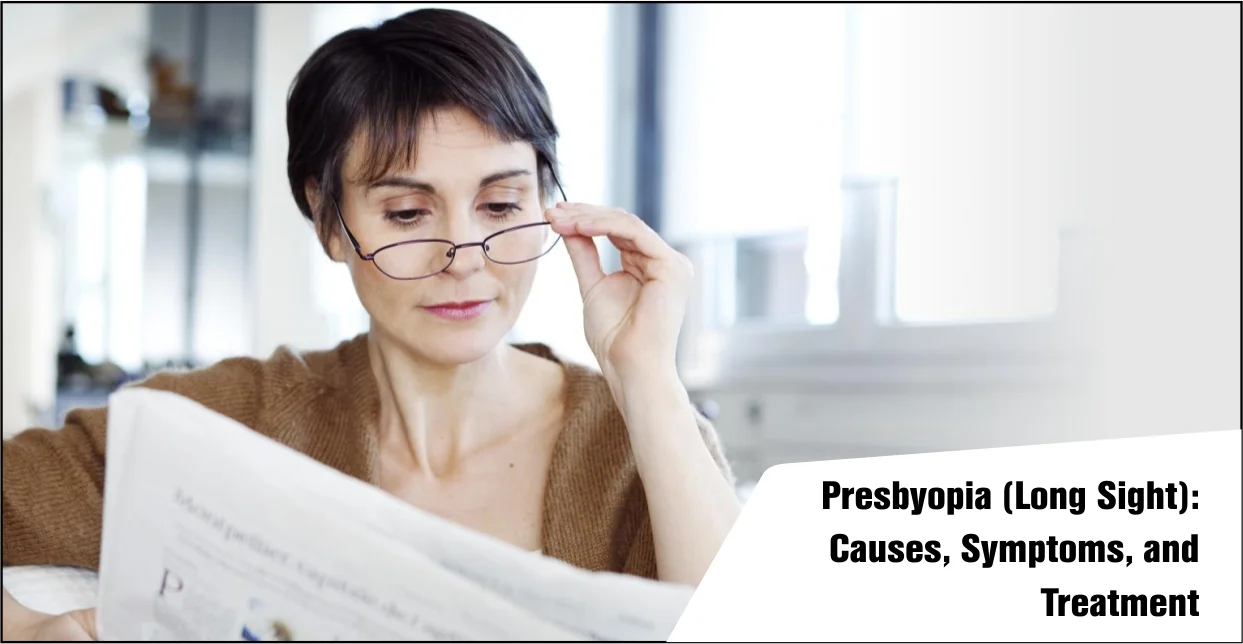
Presbyopia is a universal condition and a natural part of the aging process. While individual factors may influence how severe presbyopic changes impact vision, the gradual loss of flexible near-focusing is experienced by nearly everyone by their early to mid-40s and continues until around age 65. These visual changes are a result of the hardening of the lens, not the shape of the eye itself.
As a result, individuals experience blurred vision when seeing images close up. Distant vision is not directly affected, but for farsighted individuals, the condition can worsen overall visual clarity. While visual decline is inevitable, things can be done to manage visual symptoms.
Individuals may use reading glasses, hold reading materials farther away, and use more light when needed for clearer seeing. Additional environmental adjustments, such as purchasing handheld mirrors for grooming, as well as a digital reader or touchscreen tablet to continue reading emails and books comfortably, can also be helpful. For more information on how presbyopia affects daily life and visual tasks, continue reading below and look into presbyopia treatment.
Presbyopia Treatment Options
If you are struggling with these changes, getting recommended presbyopia treatment options from your eye doctor is crucial in preventing the worsening of this process. Presbyopia can be managed with the right vision correction tools, including specialized lenses when applicable. Your eye doctor may suggest multifocal contacts or surgery as well.
How Daily Life And Visual Tasks Are Affected
Visual clarity is critical for one’s quality of life and their ability to complete daily tasks. As we get older, our visual clarity changes, and we may not see things as clearly as we did before. These changes can make tasks challenging and disrupt one’s quality of life without presbyopia treatment.
Challenges To Visual Tasks And Management Tools
Daily tasks like writing, reading, using digital devices, and engaging in hobbies can become more challenging. Activities that require close-up engagement, like cooking and cleaning, may become more challenging. To compensate, individuals may progress through these tasks with deliberate intention to move slowly.
Physical Discomfort And Light Sensitivity
Individuals may develop a need for brighter lighting, as this added light can improve one’s depth of focus. Physical discomforts may emerge, including headaches, eye strain, and fatigue. These symptoms are reason enough to seek presbyopia treatment. Driving at night can become more challenging, as some individuals may experience more glare while driving.
Precision Task Challenges
Daily activities can become safety concerns without presbyopia treatment. Driving can also become more dangerous, as individuals struggle to see other vehicles at a “dashboard distance” without visual blurring. A loss of visual clarity while noticing fine details can make activities that involve precision challenging.
Acting Promptly To Protect Your Vision
With presbyopia treatment, individuals can gain more control over their vision-related symptoms and reduce the disruptions that visual changes have on their daily life and completion of visual tasks. Reach out to your provider to learn more about presbyopia. Act promptly to prevent the worsening of these age-related visual changes.
*** This content is for entertainment purposes only and is not professional, medical, legal, informational, or educational advice.