
 By businessnewstips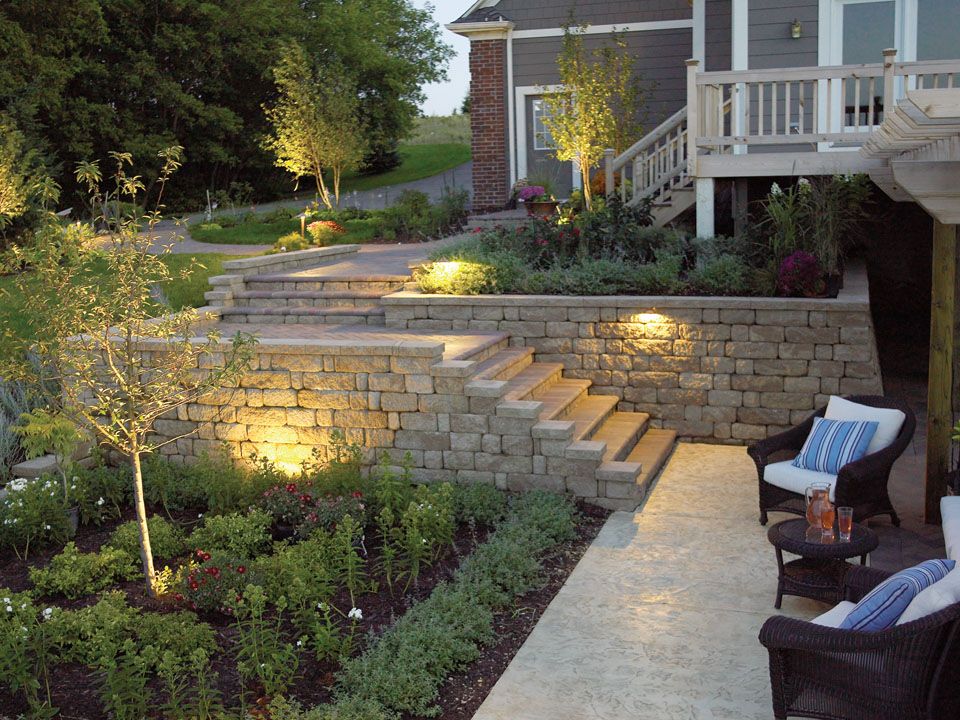
Do you look out at your backyard and see a steep, unusable slope instead of a space for barbecues and relaxation? You aren’t alone. Many homeowners struggle with uneven terrain that limits their ability to fully enjoy their property. Fortunately, there is a structural solution that doubles as a stunning design feature. By utilizing high-quality materials like Concrete Sleepers in Adelaide, you can transform a difficult hill into a functional, beautiful extension of your home.
Retaining walls are more than just functional barriers; they are the backbone of a well-designed landscape. Whether you want to create a flat lawn for the kids or a tiered garden for your veggies, understanding how to utilize these structures is the first step toward reclaiming your outdoors.
The Hidden Benefits of Retaining Walls
While the primary function of a retaining wall is to hold back soil, the benefits go far beyond simple physics.
- Maximizing Usable Space: The most immediate impact is the creation of flat ground. By “terracing” a slope, you can carve out level areas for patios, pools, or driveways where there was once only a hill.
- Preventing Soil Erosion: Heavy rains can wash away topsoil and damage your landscape. A retaining wall acts as a dam, slowing the flow of water and keeping your garden beds intact.
- Aesthetic Appeal: Modern walls aren’t just grey blocks. They provide structure, depth, and texture to a garden, acting as a focal point that ties your landscaping design together.
Choosing the Right Materials
When planning your project, you will encounter various materials ranging from treated pine to natural stone. However, for longevity and modern style, concrete is often the superior choice.
Timber walls can rot over time or succumb to termites, and natural stone can be labor-intensive to install. This is why Concrete Sleepers in Adelaide are becoming the go-to choice for long-lasting landscaping. They offer the rugged durability needed to withstand the Australian climate while mimicking the look of timber or stone if desired. They won’t warp, rot, or fade quickly, ensuring your investment looks good for decades.
Critical Design Considerations
Building a wall isn’t just about stacking blocks; it requires careful planning. Before you break ground, consider these factors:
- Height Regulations: In many areas, walls over a certain height (often one meter) require engineering approval and council permits.
- Drainage: This is the number one cause of retaining wall failure. Water builds up pressure behind the wall, pushing it over. Proper drainage gravel and ag pipes are non-negotiable.
- Soil Conditions: Clay expands when wet, putting immense pressure on your wall, while sandy soil is more stable. Knowing your soil type dictates the design.
Because engineering can get complicated, it is often wise to consult with specialists. Retaining Wall Industries can help navigate these design challenges, ensuring your wall is safe and compliant with local regulations.
Installation Tips for Success
If you are tackling a smaller garden bed, a DIY approach might work. However, for structural walls that need to hold back tons of earth, precision is key.
- Start with a solid foundation: Your wall is only as good as its footing. This usually requires a trench filled with compacted road base or concrete.
- Level is luxury: If your first layer (course) isn’t perfectly level, the entire wall will be crooked.
- Backfill correctly: Don’t just throw dirt back behind the wall. Use drainage gravel to keep water moving away from the structure.
For significant structural projects, professional installation is highly recommended. The team at Retaining Wall Industries has the equipment and expertise to handle heavy excavations and precise installations that DIYers often struggle with.
Maintenance and Longevity
The beauty of choosing the right material is that maintenance becomes minimal. If you have installed timber, you might need to reseal it or watch for rot. However, if you have opted for Concrete Sleepers in Adelaide, your maintenance list is short. Simply check the wall occasionally for any shifting or cracks, and ensure the drainage outlets remain clear of debris. A quick wash down with a hose is usually enough to keep them looking fresh.
Conclusion
Your outdoor area shouldn’t be defined by its limitations. With the right design and materials, you can turn a challenging slope into your favorite part of the house. By choosing durable Concrete Sleepers in Adelaide and partnering with seasoned professionals like Retaining Wall Industries, you can build an outdoor haven that stands the test of time.