
 By businessnewstips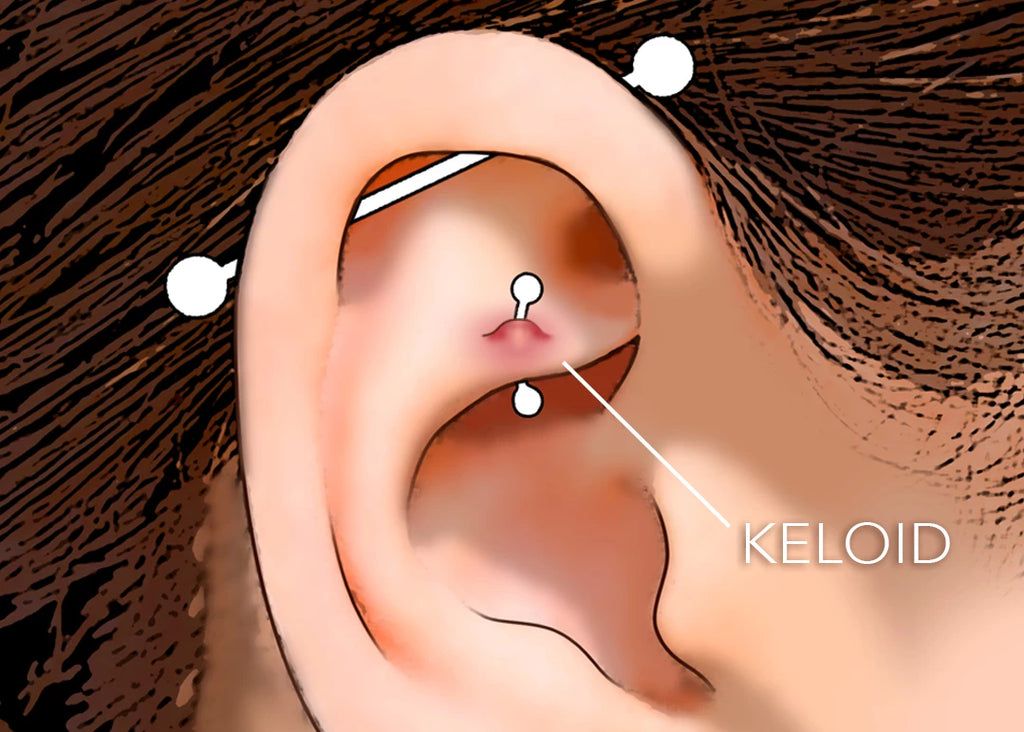
Keloids are a type of scar that forms when the skin produces too much collagen during the healing process. Unlike normal scars, keloids can grow beyond the original wound, becoming raised, firm, and sometimes uncomfortable. While they are not dangerous, keloids can be a cosmetic concern and may affect self-esteem, especially if they appear on visible areas such as the face, neck, or chest.
Understanding the causes of keloids and the treatment options available is essential for managing them effectively and preventing recurrence. Early intervention often leads to better results and fewer complications.
What Triggers Keloid Formation?
Keloid formation is influenced by several factors, including genetics, skin type, and the nature of the injury. Common triggers include:
- Genetic predisposition: People with a family history of keloids are more likely to develop them.
- Skin tone: Keloids are more common among individuals with darker skin.
- Wounds and injuries: Cuts, burns, surgical scars, piercings, and acne lesions can all lead to keloid formation.
- Inflammation: Infected or slow-healing wounds can trigger excessive collagen production.
Understanding these factors helps in taking preventive measures and deciding on the most effective treatment plan.
Recognizing the Signs of a Keloid
Identifying keloids early can make treatment more effective. Common signs include:
- Raised, thickened scar tissue
- Smooth and shiny surface
- Itching, tenderness, or discomfort
- Expansion beyond the original wound boundaries
- Red, purple, or dark pigmentation
Early recognition allows you to seek proper care and prevent the keloid from becoming larger or more noticeable.
Treatment Options for Keloids
Treating keloids requires a tailored approach depending on the size, location, and severity of the scar. Here are some common methods:
Corticosteroid Injections
These injections reduce inflammation and soften the scar tissue. They are often the first step in treatment and may be combined with other therapies for better results.
Silicone Gel Sheets
Silicone sheets or gels hydrate the scar, reduce thickness, and help prevent further growth. Regular application is key to seeing improvements over time.
Laser Therapy
Laser treatment can reduce redness, smoothen the surface, and improve the overall appearance of keloids, especially newer ones.
Cryotherapy
Freezing small keloids with liquid nitrogen can shrink them. It works best on smaller scars but may affect skin pigmentation in some cases.
Surgical Removal
Surgery can be considered for larger keloids, but it is typically combined with other treatments like corticosteroid injections or pressure therapy to prevent recurrence.
Pressure Dressings and Earrings
These are effective for keloids on the earlobes or other areas prone to pressure, helping minimize regrowth after removal.
Preventive Measures
Prevention is an important part of managing keloids, particularly if you are prone to developing them. Some effective measures include:
- Avoid unnecessary piercings or tattoos
- Keep wounds clean and avoid picking at scabs
- Use silicone gel or sheets on healing scars
- Treat acne and other skin irritations promptly
Consistent care during the healing process can significantly reduce the risk of new keloid formation.
Seeking Professional Guidance
Keloids can be challenging to manage without proper guidance. Consulting a dermatologist or skin specialist can help determine the most effective treatment for your specific case. For reliable information and detailed treatment options, visit Keloid Treatment, a trusted resource for understanding and managing keloid scars.
Conclusion
Keloids may be persistent and sometimes frustrating, but with the right approach, they can be managed effectively. Early recognition, professional treatment, and preventive care all play a critical role in improving the appearance and comfort of keloid scars. By taking proactive steps and following expert guidance, it is possible to reduce the impact of keloids and maintain healthy, confident skin.