
 By businessnewstips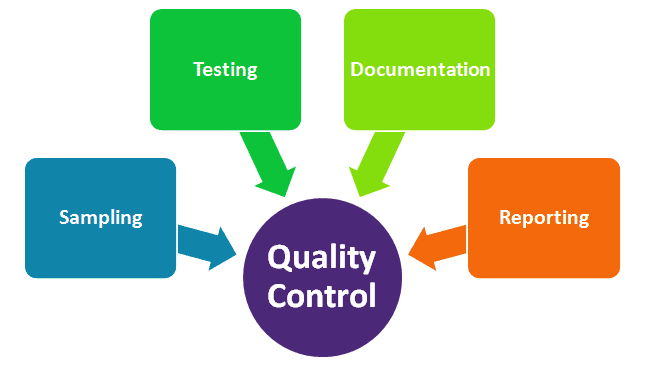
Remember the last time you tried a coupon code that didn’t work? That moment when you’re at checkout, typing in what promised to be 20% off, only to see ‘Invalid Code’ flash on your screen. It’s not just annoying, it’s a trust killer. And that’s exactly the problem platforms like Coupono are trying to fix by doing something most companies won’t: showing you how they actually verify their deals work.
The coupon platform recently made waves by prioritizing verification transparency over volume. Instead of flooding users with thousands of potentially dead codes, they display usage data, recent activity, and real user reviews for each offer. You can learn more about Coupono and their approach to transparent deal verification, which stands in sharp contrast to competitors who stuff pages with expired promotions just to rank higher in search results. It’s a bet that visibility into their quality control process matters more than quantity.
But here’s where it gets interesting: transparency isn’t always the golden ticket companies think it is.
When Showing Your Work Actually Works
According to research published in Manufacturing & Service Operations Management, operational transparency i.e. letting people see the work being done for them, can significantly boost trust and engagement. A study involving Boston’s 311 service request app found that residents who received updates showing the city’s efforts to address their requests became 14% more trusting and 12% more supportive of the government.
The mechanism is straightforward. People perceive effort when they see it. They feel their engagement matters when they witness results. In the coupon space, this translates to seeing which codes actually got used today, not just which ones theoretically exist.
Consumers are no longer impressed by endless lists of outdated promo codes. In 2025, the value lies in curation, verification, and a frictionless redemption process.
The formula that seems to work:
- Show real-time usage signals
- Admit when codes expire or fail
- Let users report problems
- Respond visibly to feedback
Food delivery platforms have stumbled onto this too. When you can track your driver’s exact location and see each step of your order being prepared, cancelled orders drop. The anxiety of uncertainty costs more than the friction of visibility.
But Then There’s the Paradox
Not every company should livestream their quality control room. Research from the Journal of Cleaner Production found that transparency cues can actually backfire for large, established brands. When big companies publish detailed CSR transparency reports, consumers often respond with skepticism rather than trust. They’re looking for greenwashing. They assume there’s a PR angle.
Small brands? Different story. For lesser-known companies, transparency builds trust because it signals authenticity. Nobody expects a startup to have resources for elaborate deception.
Here’s what happened when Buffer published all their employee salaries back in 2013. Initially praised as radical honesty, it later contributed to employee dissatisfaction. Some felt their privacy was violated. According to Harvard Business Review, 31% of employees cited discomfort with excessive transparency as a factor in leaving organizations. The lesson: you can show too much.
McKinsey documented similar patterns. A Canadian engineering firm that implemented radical pay transparency saw morale plummet. Workers spent more time comparing salaries than collaborating. Monitoring creative work too closely stifled innovation; people self-censored ideas rather than risk judgment on half-baked concepts.
The Sweet Spot Nobody Talks About
The companies getting this right aren’t just opening all the curtains. They’re strategic about what they reveal and why.
Look at content moderation. After the Snowden revelations in 2013, major internet companies faced a trust crisis. Google published transparency reports. Facebook followed. Twitter joined in. But they didn’t publish everything; just aggregate statistics about government requests and content takedowns. Enough to prove they weren’t secretly cooperating with mass surveillance. Not enough to compromise security or reveal individual cases.
The Santa Clara Principles, developed by human rights organizations in 2018, recommend companies reveal content moderation decisions and explain their reasoning. Twelve major platforms have endorsed them. But notice what they don’t require: revealing the actual training data for algorithms or publishing every internal debate about edge cases.
Third-party inspection agencies understand this balance. According to recent industry analysis, effective verification includes publishing aggregate statistics – how many inspections, what percentage passed, common failure points. But not client names without permission. Not proprietary manufacturing details. The Reuters Institute found that audiences expect news media to be more transparent about processes, but they also want accuracy preserved, not transparency that sacrifices quality for appearances.
When It’s Just Performance Art
Some transparency initiatives are pure theater. Companies comply with regulations by posting salary ranges so wide they’re meaningless: ‘$60,000 to $180,000 depending on experience.’ Technically transparent. Actually useless.
Or consider content moderation transparency reports that major platforms abandoned after a few years. Lawfare researchers tracking these reports found companies were removing older transparency reports from their websites entirely. When pressed, some platforms cited ‘strategic refocus.’ Translation: nobody was looking, and it was expensive to maintain.
China’s Douyin recently announced a ‘safety and trust center’ to enhance algorithm transparency following regulatory pressure. Will it actually explain how their recommendation system works? Probably not in any meaningful way. It’ll show compliance metrics. Generic principles. Nothing that could help competitors or regulators understand actual decision-making.
Red flags that transparency is performative:
- Vague commitments without concrete metrics
- Reports that disappear after initial publicity
- Disclosures nobody can understand
- No mechanism for stakeholders to act on information
- Inconsistent terminology across reports
What Actually Matters
The platforms succeeding with operational transparency share patterns. They start with specific, verifiable claims. ‘We test every code within 24 hours before publishing’ beats ‘We’re committed to quality.’ They provide evidence: timestamps, usage rates, user confirmations.
They admit failures. When codes don’t work, they say so. When moderation makes mistakes, they explain the error and correction. This seems risky, but research shows it builds more trust than carefully curated perfection.
They give users control. Options to report problems. Ways to see less content from certain sources. Actual humans responding to complaints, not just automated acknowledgments.
And crucially, they don’t confuse transparency with exposure. They protect privacy, trade secrets, and security while still demonstrating their processes work.
A 2024 PwC survey found 95% of business executives agree organizations should build trust. But only 36% actually disclose environmental impact information, despite 45% of employees saying it’s very important. The gap isn’t about whether transparency matters; it’s about doing the hard work of figuring out what to reveal and how.
For coupon sites, that might mean admitting ‘this code has a 60% success rate’ rather than pretending it always works. For social platforms, showing users why content was removed rather than ghosting them. For delivery apps, being honest about driver wait times instead of optimistic fictions.
The Real Cost of Getting It Wrong
Transparency done badly wastes everyone’s time and erodes the trust it was meant to build. Meta’s 2023 decision to continue transparency reporting in the EU while potentially curtailing it elsewhere signals that some transparency is regulatory compliance, not genuine commitment. Companies that treat transparency as a checkbox item rather than a principle end up producing reports nobody reads that accomplish nothing.
But hiding everything? That’s worse. In our age of screenshots and Reddit threads, opacity gets you conspiracy theories. People assume the worst when they can’t see anything. At least 40% of people across 48 markets say they don’t trust news, according to the 2025 Reuters Digital News Report, partly because they don’t understand how it’s made.
The honest answer is that most companies should show more than they currently do – but not everything. Show the verification process without exposing customer data. Show moderation standards without compromising security. Show quality metrics without revealing trade secrets.
It’s not about radical honesty. It’s about strategic visibility into the work that matters for trust. For coupon sites, showing you which codes actually work today, which ones just failed, and how many people used them successfully is worth more than maintaining an illusion that every code on their site is guaranteed perfect.
They’re probably right. But the real test isn’t whether their transparency sounds good in a press release. It’s whether users actually find better deals with less frustration. And whether they come back.
The metrics will tell. They always do. That’s the thing about transparency – once you commit to it, the numbers become part of the story too. For better or worse.