
 By Clay Leger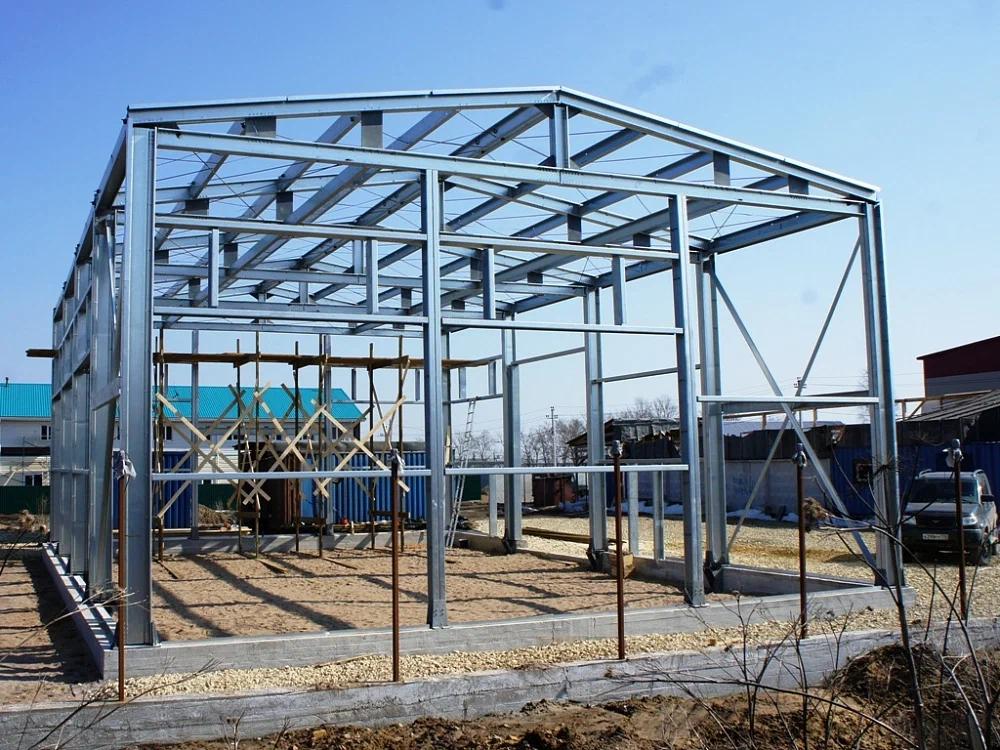
Modern construction is evolving rapidly, with builders and designers adopting materials that offer strength, consistency, and efficiency. Metal framing systems have become a preferred structural choice for residential, commercial, and industrial projects. Understanding how metal wall frames and roof trusses work helps in making informed construction decisions.
This article explains the basics of metal framing systems, metal truss design, and proper metal truss installation.
What Are Metal Framing Systems
Metal framing systems use lightweight cold formed steel sections to create the main structural framework of a building. These systems replace traditional timber framing and are manufactured with precise dimensions.
Metal framing systems are widely used because they provide predictable performance and consistent quality across projects. The uniform nature of steel reduces variation during construction and improves structural accuracy.
Role of Metal Wall Frames in Construction
Metal wall frames form the vertical structure of a building. They support loads from floors, roofs, and external cladding.
Metal wall frames are lightweight yet strong, which allows easier handling during installation. Because they are factory produced, openings for doors, windows, and services are accurately positioned.
Another advantage of metal wall frames is their resistance to moisture related issues such as swelling or decay, which helps maintain straight walls over time.
Basics of Metal Truss Design
Metal truss design focuses on creating strong and stable roof structures while using minimal material. Trusses distribute weight evenly across the structure, allowing for wider spans and open interior spaces.
Engineers consider factors such as load requirements, roof shape, wind conditions, and building codes during metal truss design. The precision of metal fabrication ensures each truss performs as intended.
Metal truss design is commonly used in homes, warehouses, retail spaces, and large commercial buildings.
Metal Truss Installation Process
Metal truss installation typically follows wall frame installation. Trusses are lifted into position and secured according to engineered specifications.
Because metal trusses are lightweight compared to traditional alternatives, metal truss installation can be completed efficiently and safely. Pre engineered components reduce on site adjustments and speed up construction timelines.
Proper alignment and bracing during metal truss installation are essential to ensure long term structural performance.
Advantages of Using Metal Framing and Trusses
Metal framing systems offer durability and consistency. Steel does not warp, twist, or shrink, which helps maintain structural accuracy.
Metal wall frames and trusses are non combustible and resistant to pests. These characteristics improve safety and reduce long term maintenance concerns.
Metal components also support modern construction methods, including modular and prefabricated building techniques.
Sustainability and Material Efficiency
Steel used in metal framing systems is highly recyclable. Many metal wall frames and trusses are produced using recycled materials and can be recycled again at the end of their life.
Precision manufacturing reduces material waste, making metal framing systems a more resource efficient option compared to traditional framing methods.
When Metal Framing Systems Are the Right Choice
Metal framing systems are suitable for a wide range of projects where strength, accuracy, and durability are priorities. From residential homes to large scale developments, metal wall frames and metal truss installation provide reliable structural performance.
Understanding metal truss design and framing principles allows builders and project planners to adopt construction methods that meet modern standards and long term expectations.