
 By businessnewstips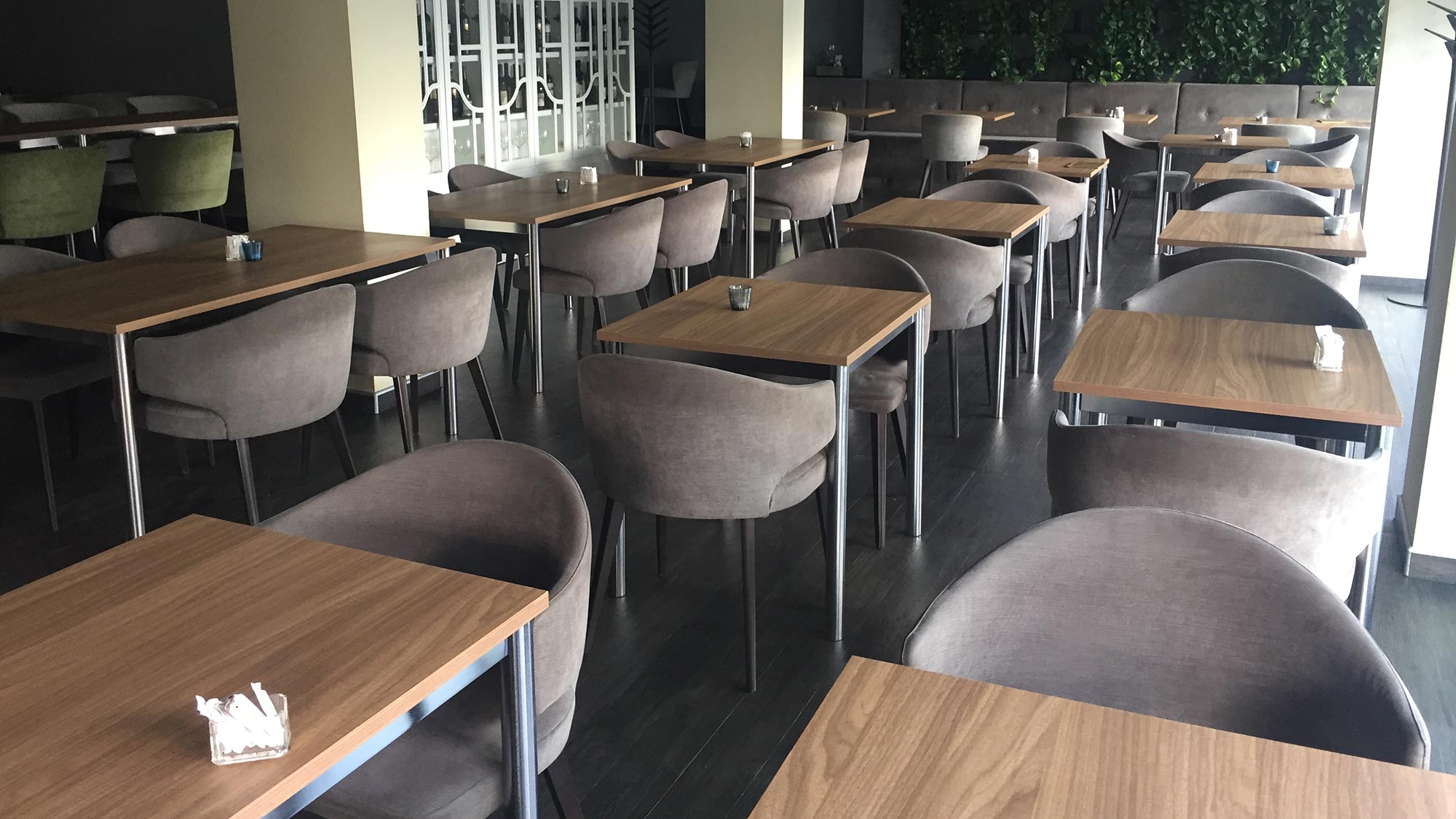
When people think of what makes a restaurant successful, they usually think of the food, the service, and the mood. The chair, on the other hand, is one of the most significant but least understood things that might help you make money. Nowadays, quality restaurant chairs are more than simply decoration; they may also change how long customers stay, how often they come back, and even how much they spend. A comfortable chair, looks beautiful and lasts a long time can quietly boost sales and customer loyalty in ways that most owners don’t measure but always feel in their bottom line.
The Hidden Financial Value of Comfort
Comfort is more than a physical experience; it is a psychological signal that says, “You belong here.” When guests sit comfortably, they stay longer, order more, and leave with a stronger impression of the brand. Hard, poorly designed seats do the opposite, cutting dining time and reducing potential revenue.
Studies show that a relaxed diner is 15–20% more likely to order dessert or an extra drink, turning a single meal into a more profitable visit. Good chairs pay for themselves not through price tags, but through the satisfaction they create.
The Link Between Seating and Customer Loyalty
Every restaurant needs repeat customers, and loyalty often grows from small things. When someone sits down on a chair and feels supported, they automatically trust the area. This comfort becomes part of memory. When people choose where to go back to, they remember how they felt while they were there. Restaurant chairs that are comfortable and look good at the same time make people feel more connected to each other. Comfort is no longer a luxury in a competitive eating scene; it’s a way to keep customers coming back.
Designing for Longer Visits and Higher Check Averages
Smart seating design isn’t about keeping guests forever, but about aligning comfort with revenue goals. Fine dining venues often use plush chairs with strong back support to encourage longer meals, while cafés may opt for lighter designs that promote steady table turnover. The right restaurant chairs can help shape guest behavior naturally:
- Padded seats increase dwell time and lead to higher order values.
- Upright chairs maintain posture during meals and prevent discomfort.
- Durable frames ensure a consistent experience for years, saving replacement costs.
- Consistent style across the space builds brand identity and perceived professionalism.
Restaurants that treat seating as an investment, not an expense, often see measurable differences in their margins.
The Role of Aesthetics in Perceived Value
Visual design affects how guests interpret pricing. A well-crafted wood or metal chair immediately communicates stability and care, justifying premium menu prices. Mismatched or flimsy seating can send the opposite message, even if the food is excellent. Restaurant chairs that fit the theme. Industrial, rustic, or modern can help set expectations. A guest entering a space lined with elegant upholstered chairs anticipates a higher-end experience and spends accordingly. The emotional response to design influences perceived value before the first bite is taken.
Durability as a Long-Term Profit Strategy
Every business owner knows that cheap furniture becomes expensive fast. Replacing broken chairs, repainting finishes, or repairing wobbly legs adds up over time. Investing in commercial-grade restaurant chairs with reinforced joints, stain-resistant materials, and high-quality finishes is not about luxury. It’s about operational efficiency. Long-lasting furniture reduces waste, downtime, and maintenance costs. Over five years, the savings often exceed the initial purchase difference between budget and quality seating.
Data-Driven Design: How Seating Shapes Business Metrics
Analytics can reveal what intuition already knows. Restaurants tracking dwell times, repeat visits, and average order size can directly correlate these with seating comfort and design. A well-lit dining area with comfortable chairs often shows 10–15% higher table occupancy consistency. It’s no coincidence that successful chains invest heavily in seating research. By monitoring how guests sit, move, and engage, owners can adapt furniture layouts to maximize flow and profitability. Chairs, in this context, become measurable assets.
Choosing the Right Restaurant Chairs for Your Concept
Every concept has a seating personality. A casual café thrives on lightweight chairs that are easy to rearrange, while a fine-dining venue demands sophistication and elegance. When choosing restaurant chairs, think of three key pillars:
- Functionality: How well the chair supports different body types and dining styles.
- Aesthetic alignment: Whether it matches the brand’s mood, lighting, and table design.
- Longevity: The expected lifespan under daily commercial use.
Selecting based on these criteria helps balance upfront cost with long-term return. It’s not just about buying furniture; it’s about buying performance.
The Psychological Connection Between Seating and Spending
The human body reacts to the physical environment. When the back feels supported, shoulders relax, and the body stays at ease, the mind focuses on conversation and enjoyment. That calmness translates into more time, more trust, and often, more spending.
Guests seated in stable, comfortable restaurant chairs subconsciously associate the establishment with care and quality. That emotional alignment converts into customer retention and positive reviews. The kind that brings new visitors through the door.
Lasting Impressions: Profits Built One Seat at a Time
In the world of hospitality, small details create big outcomes. Restaurant chairs are silent contributors to every transaction, shaping how guests feel and how they behave. They influence mood, posture, and even appetite. When designed thoughtfully, they extend the brand’s promise of quality from the plate to the seat. In a business where loyalty is earned one experience at a time, the right chair can make every guest not just comfortable, but committed to coming back.