Recovery from substance use is rarely a straight path. It’s a deeply personal process shaped by physical health, emotional resilience, social support, and access to the right kind of care at the right time. While treatment approaches have evolved significantly over the past decade, one truth remains constant: long-term recovery depends on more than just completing a program.
Today’s treatment landscape reflects a growing understanding that sustainable healing requires individualized care, continuity, and a strong support system beyond clinical settings. For individuals and families exploring options, understanding the key factors that influence recovery outcomes can make a meaningful difference in both expectations and long-term success.
1. Early Intervention and Timely Access to Care
One of the most important predictors of positive recovery outcomes is how quickly someone receives help after recognizing a problem. Substance use disorders tend to progress over time, affecting physical health, mental well-being, relationships, and financial stability.
When intervention happens early:
- Physical damage may be less severe
- Behavioral patterns are easier to change
- Motivation for recovery is often stronger
- Co-occurring mental health concerns can be addressed sooner
Unfortunately, stigma and denial still delay treatment for many people. In some regions, individuals seeking Drug and Alcohol Treatment in Alabama or elsewhere may also face barriers such as limited transportation, financial concerns, or lack of information. Expanding awareness and reducing stigma remain critical steps toward improving outcomes.
2. Personalized Treatment Plans
No two recovery journeys look the same. People enter treatment with different substances of use, lengths of addiction, mental health histories, family dynamics, and life circumstances. Programs that use a one-size-fits-all model often struggle to meet these diverse needs.
Successful recovery programs typically begin with a comprehensive assessment that considers:
- Substance use history
- Physical health status
- Mental health conditions
- Trauma history
- Social and environmental factors
- Employment and housing stability
Personalized plans may include a combination of medical care, therapy, peer support, and life skills training. When treatment reflects an individual’s real-life challenges and goals, engagement improves—and so do long-term results.
3. Addressing Co-Occurring Mental Health Conditions
A significant number of people struggling with substance use also experience mental health disorders such as anxiety, depression, PTSD, or bipolar disorder. If these conditions go untreated, the risk of relapse increases substantially.
Integrated care—where mental health and substance use are treated simultaneously—has become a cornerstone of modern recovery. This approach helps individuals:
- Understand the connection between emotions and substance use
- Develop healthier coping strategies
- Stabilize mood and reduce psychological distress
- Build emotional resilience
Treating only the addiction without addressing underlying mental health concerns often leaves the root causes of substance use unresolved.
4. The Role of Medical Support
For many individuals, medical supervision is an essential part of recovery, especially during the early stages. Withdrawal from certain substances can be physically uncomfortable and, in some cases, dangerous.
Medical care may include:
- Supervised detoxification
- Medication-assisted treatment (MAT) when appropriate
- Ongoing health monitoring
- Nutritional and sleep support
Beyond detox, managing chronic health conditions and restoring physical wellness helps individuals regain energy, clarity, and motivation—factors that support sustained recovery.
5. Continuity of Care and Long-Term Support
Completing an initial treatment program is only the beginning. Research consistently shows that recovery outcomes improve when individuals remain connected to ongoing care.
Continuity of care may include:
- Outpatient therapy
- Support groups or peer recovery meetings
- Sober living environments
- Case management or recovery coaching
- Family counseling
Recovery is a long-term process, often measured in months and years rather than weeks. Ongoing support helps individuals navigate real-world stressors, rebuild routines, and stay accountable as they transition back into daily life.
6. Family and Social Support Systems
Isolation is one of the strongest predictors of relapse, while connection is one of the strongest predictors of recovery. Supportive relationships provide encouragement, accountability, and emotional stability.
Family involvement can be especially powerful when it includes:
- Education about addiction and recovery
- Healthy communication strategies
- Boundary-setting and trust rebuilding
- Participation in family therapy
Equally important is building a broader support network. Peer recovery groups, community organizations, and sober social activities help individuals replace environments associated with substance use with healthier connections.
7. Stability in Housing and Employment
Recovery doesn’t happen in a vacuum. Practical life factors—such as safe housing and meaningful work—play a significant role in long-term success.
Stable housing reduces exposure to high-risk environments, while employment or vocational training provides:
- Financial independence
- Structure and routine
- A sense of purpose
- Increased self-confidence
Programs that include life skills training, job readiness, and educational support help individuals rebuild not just their sobriety, but their overall quality of life.
8. Trauma-Informed Care
Many people with substance use disorders have experienced trauma, whether in childhood or adulthood. Without addressing these experiences, traditional treatment approaches may feel ineffective or overwhelming.
Trauma-informed care focuses on:
- Creating safe and supportive environments
- Avoiding re-traumatization
- Building trust and emotional regulation skills
- Empowering individuals in their recovery decisions
When treatment acknowledges the impact of trauma, individuals are more likely to engage fully and develop healthier coping mechanisms.
9. Community Resources and Local Accessibility
Recovery outcomes are also shaped by the strength of local support systems. Access to transportation, healthcare providers, peer networks, and community education programs can make recovery more sustainable.
In many areas, expanding community-based services has helped reduce gaps in care. Whether someone is seeking urban or rural support, the availability of local resources for Drug and Alcohol Treatment in Alabama and similar regions plays a vital role in keeping individuals connected after formal treatment ends.
Community awareness initiatives, recovery-friendly workplaces, and local peer networks all contribute to a more supportive environment for long-term healing.
10. Motivation, Readiness, and Personal Empowerment
While external support is essential, internal motivation also plays a major role. Recovery is most successful when individuals feel actively involved in their own progress.
Treatment approaches that emphasize empowerment often include:
- Goal setting and progress tracking
- Motivational interviewing techniques
- Strength-based counseling
- Opportunities for peer mentorship
When individuals begin to see recovery not as a restriction but as a path toward a more meaningful life, their commitment deepens.
11. Reducing Stigma and Changing Public Perception
Social attitudes toward addiction have a direct impact on recovery outcomes. Shame and judgment can prevent people from seeking help, while supportive communities encourage openness and early intervention.
Public education efforts that frame addiction as a health condition rather than a moral failing help:
- Increase treatment engagement
- Support reintegration into workplaces and communities
- Encourage family involvement
- Normalize long-term recovery support
The more communities embrace recovery as a shared responsibility, the stronger outcomes become for individuals and families alike.
Looking Ahead: A More Holistic Approach to Recovery
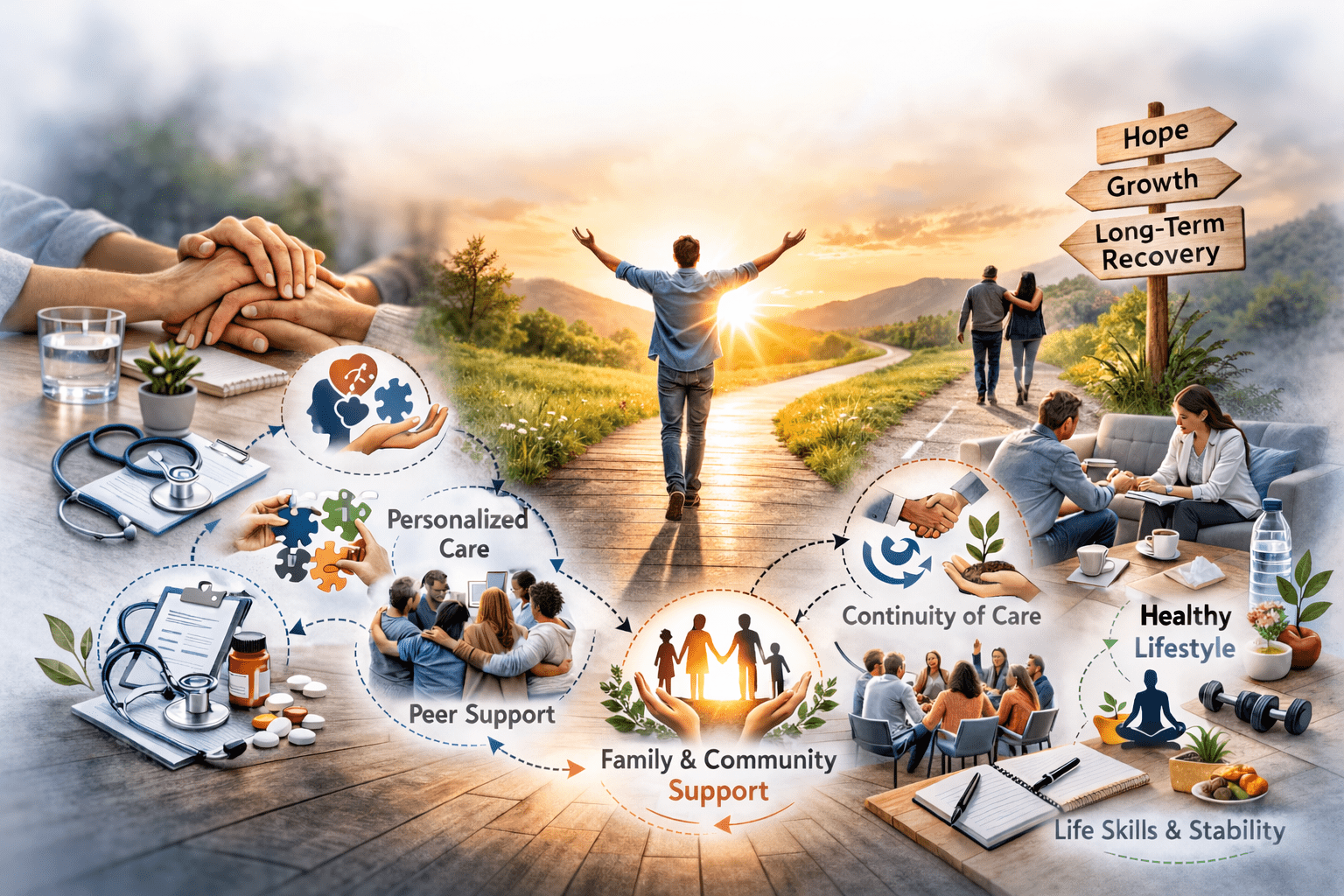
Today’s treatment landscape reflects a shift away from short-term solutions and toward comprehensive, long-term care. Successful recovery is no longer defined simply by abstinence—it’s measured by improved health, stronger relationships, stable living conditions, and a renewed sense of purpose.
The factors that influence recovery outcomes are interconnected. Early intervention, personalized care, mental health support, community resources, and long-term follow-up all work together to create a foundation for lasting change.
For individuals and families navigating this journey, understanding these elements can help set realistic expectations and guide more informed decisions. Recovery may not be easy, but with the right support systems and a comprehensive approach, long-term healing is not only possible—it’s increasingly achievable in today’s evolving treatment landscape.