
 By Clay Leger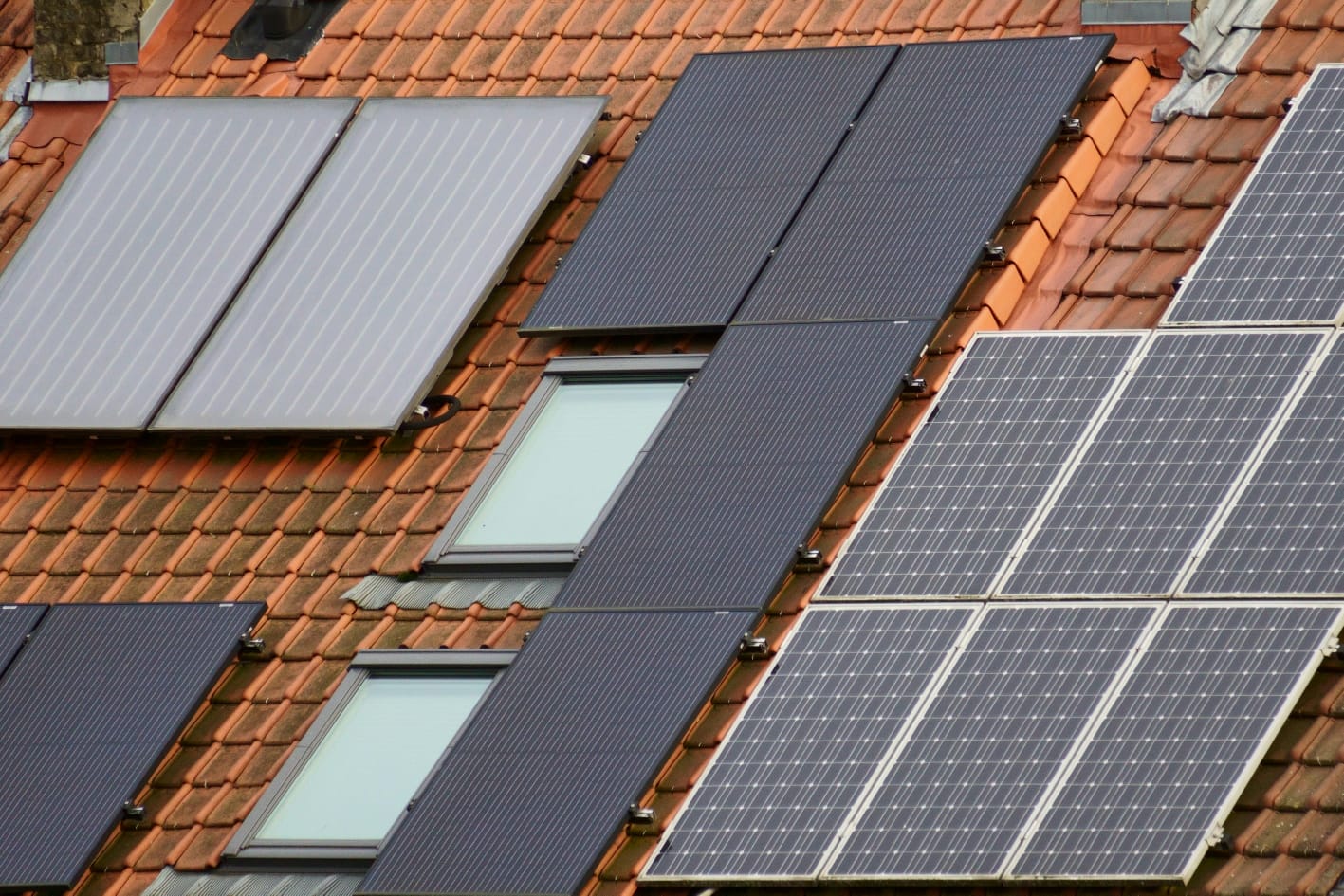
Energy‑efficient roofing has become more than a trend, it’s a strategic investment for businesses looking to reduce operating costs, improve sustainability, and enhance long‑term property value. As energy prices fluctuate and environmental expectations rise, commercial property owners are increasingly recognizing the financial and operational advantages of upgrading their roofing systems. A well‑designed, energy‑efficient roof doesn’t just protect a building; it actively contributes to a healthier bottom line. Understanding the business case behind this upgrade can help organizations make informed decisions that support both immediate needs and future growth.
Lowering Operational Costs Through Improved Energy Performance
One of the most compelling reasons businesses choose energy‑efficient roofing is the potential for significant cost savings. Traditional roofing materials often absorb heat, forcing HVAC systems to work harder to maintain comfortable indoor temperatures. Energy‑efficient roofing, on the other hand, uses reflective materials and advanced insulation to reduce heat absorption and stabilize indoor climates. This leads to lower energy consumption and reduced utility bills throughout the year. For companies operating large facilities or buildings in warm climates, these savings can be substantial. Over time, the reduction in energy use can offset the initial investment, making the upgrade a financially sound decision.
Enhancing Building Comfort and Productivity
A comfortable indoor environment is essential for employee well‑being and productivity. Excessive heat, inconsistent temperatures, and poor insulation can create uncomfortable working conditions that affect morale and efficiency. Energy‑efficient roofing helps regulate indoor temperatures more effectively, reducing hot spots and minimizing temperature fluctuations. This creates a more stable and pleasant environment for employees, customers, and tenants. Businesses that prioritize comfort often see improvements in employee satisfaction and retention, as well as better customer experiences. Roofing professionals, including teams like Ace Roofing in Texas, frequently highlight how improved insulation and reflective materials contribute to a more consistent indoor climate, benefiting both workers and visitors.
Increasing Property Value and Market Appeal
Commercial properties with energy‑efficient features often command higher market value and attract more interest from buyers and tenants. Modern businesses and investors increasingly prioritize sustainability, energy performance, and long‑term cost efficiency when evaluating properties. An upgraded roofing system signals that a building has been well maintained and designed with future‑focused improvements in mind. This can make the property more competitive in the market and potentially lead to higher lease rates or resale value. For companies planning to expand, relocate, or eventually sell their property, investing in energy‑efficient roofing can provide a strong return on investment.
Supporting Sustainability and Corporate Responsibility Goals
Sustainability has become a core component of many organizations’ missions and public identities. Upgrading to energy‑efficient roofing is a practical way to reduce a building’s environmental footprint by lowering energy consumption and minimizing heat transfer. Some roofing materials are also made from recycled or recyclable components, further contributing to eco‑friendly practices. Businesses that adopt sustainable building improvements can strengthen their corporate responsibility initiatives and appeal to environmentally conscious customers, partners, and employees. Demonstrating a commitment to sustainability can enhance brand reputation and support long‑term strategic goals related to environmental stewardship.
Reducing Maintenance Costs and Extending Roof Lifespan
Energy‑efficient roofing systems are often designed with durability in mind, using materials that withstand harsh weather conditions, UV exposure, and temperature fluctuations. This resilience can lead to fewer repairs, reduced maintenance costs, and a longer overall lifespan compared to traditional roofing. By investing in high‑quality materials and professional installation, businesses can minimize disruptions caused by leaks, damage, or premature wear. Over time, the reduced need for repairs and replacements contributes to significant cost savings. A longer‑lasting roof also means fewer interruptions to daily operations, which is especially important for businesses that rely on consistent facility performance.
Conclusion
Upgrading to energy‑efficient roofing offers clear financial, operational, and environmental advantages for businesses of all sizes. From lowering energy costs and improving indoor comfort to increasing property value and supporting sustainability goals, the benefits extend far beyond the roof itself. By choosing modern materials and investing in long‑term performance, companies can strengthen their infrastructure while enhancing their bottom line. Energy‑efficient roofing is not just a building improvement—it’s a strategic decision that supports growth, resilience, and responsible business practices for years to come.