
 By businessnewstips
Understanding Dry Ageing Skin
Dry ageing skin requires a thoughtful and consistent skincare routine because it loses moisture, elasticity, and natural oils over time. As we age, the skin’s ability to retain hydration decreases, collagen production slows, and the protective barrier becomes weaker. This can lead to fine lines, dullness, flaking, and increased sensitivity. Choosing the right skin care for dry skin and selecting suitable ageing skin products can help maintain comfort, improve texture, and support a healthier-looking complexion.
Start with a Gentle Cleanser
The foundation of any routine for dry ageing skin is a mild, hydrating cleanser. Harsh foaming cleansers can strip natural oils and worsen dryness. Instead, choose cream-based or lotion cleansers that are fragrance-free and formulated for sensitive skin. Cleanse once in the morning and once at night using lukewarm water rather than hot water, as excessive heat can further dehydrate the skin. Proper cleansing removes impurities while maintaining the skin barrier, preparing it for the next steps in your routine.
Incorporate a Hydrating Toner or Essence
After cleansing, apply a hydrating toner or essence to replenish moisture and improve absorption of subsequent products. Look for ingredients such as hyaluronic acid, glycerin, or aloe vera, which help attract and retain water in the skin. Avoid alcohol-based toners, as they can increase dryness and irritation. This step enhances overall hydration and supports the effectiveness of other ageing skin products in your routine.
Use Targeted Serums for Ageing Concerns
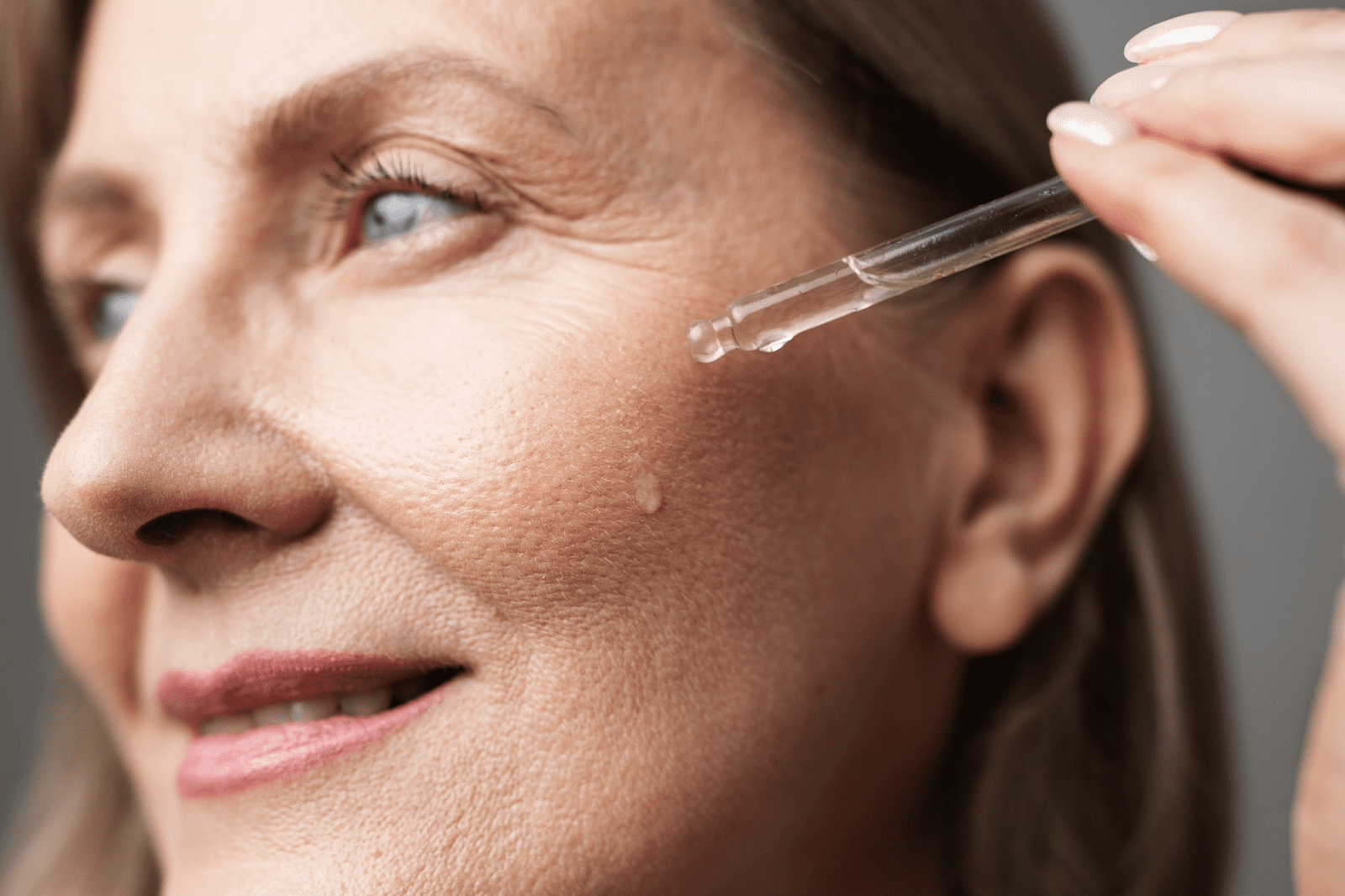
Serums are lightweight but highly concentrated, making them ideal for addressing fine lines, uneven texture, and loss of firmness. For dry ageing skin, consider serums containing: hyaluronic acid for hydration, vitamin C for brightening and antioxidant protection, peptides to support collagen production, or niacinamide to improve barrier function. Apply serum after toner and before moisturiser, allowing each layer to absorb properly. Consistency is key when using skin care for dry skin focused on anti-ageing benefits.
Choose a Rich but Non-Comedogenic Moisturiser
Moisturising is essential for dry ageing skin. A well-formulated moisturiser helps lock in hydration, strengthen the skin barrier, and reduce the appearance of fine lines. Look for ingredients such as ceramides, shea butter, squalane, or hyaluronic acid. These components help maintain moisture balance without clogging pores. Apply moisturiser twice daily, and consider using a slightly richer formula at night to support overnight repair.
Never Skip Sunscreen
Sun exposure is one of the leading causes of premature ageing. Even dry skin needs daily protection. Use a broad-spectrum sunscreen with SPF 30 or higher every morning, regardless of the weather. UV rays contribute to wrinkles, pigmentation, and loss of elasticity. Choose a hydrating sunscreen designed for skin care for dry skin, preferably one with added moisturising ingredients. Reapply during prolonged outdoor exposure to maintain protection.
Introduce Retinol Gradually
Retinol is one of the most effective ageing skin products for improving fine lines and stimulating collagen production. However, it can be drying, especially for sensitive or dry skin. Start with a low concentration and apply it two to three times per week at night. Gradually increase usage as your skin builds tolerance. Always follow with a nourishing moisturiser to reduce irritation. If dryness occurs, reduce frequency rather than stopping completely.
Exfoliate Gently and Sparingly
Exfoliation helps remove dead skin cells and improve texture, but over-exfoliating can damage dry ageing skin. Use mild chemical exfoliants such as lactic acid or polyhydroxy acids once or twice a week. Avoid harsh physical scrubs, which can cause micro-tears and worsen sensitivity. Gentle exfoliation enhances product absorption and promotes a smoother, brighter complexion when used correctly.
Consider Overnight Treatments
Night-time is when the skin naturally repairs itself, making it an ideal time for intensive hydration. Overnight masks or rich night creams can provide deeper nourishment. These products often contain antioxidants, peptides, or restorative oils that support skin renewal. Incorporating overnight treatments into your skin care for dry skin routine can significantly improve softness and elasticity over time.
Stay Consistent with Your Routine
Consistency is more important than complexity. A simple routine that includes cleansing, hydration, treatment, moisturising, and sun protection is often more effective than using too many products. Dry ageing skin benefits from stability and regular care. Avoid frequently switching products, as this can disrupt the skin barrier and reduce effectiveness. Give each new product several weeks to show results.
Support Skin Health from Within
Topical products work best when supported by healthy lifestyle habits. Drink adequate water, maintain a balanced diet rich in antioxidants, and ensure sufficient sleep. Foods containing omega-3 fatty acids, vitamins A, C, and E, and protein can support skin elasticity and hydration. Internal health plays a significant role in improving the results of ageing skin products.
Final Thoughts
Building a routine for dry ageing skin requires gentle care, consistent hydration, and protective measures. By selecting appropriate skin care for dry skin, incorporating targeted ageing skin products, and avoiding harsh treatments, you can improve texture, reduce fine lines, and maintain a healthier complexion. A balanced approach that includes cleansing, hydration, sun protection, and gradual introduction of active ingredients will help support long-term skin comfort and visible improvement.