






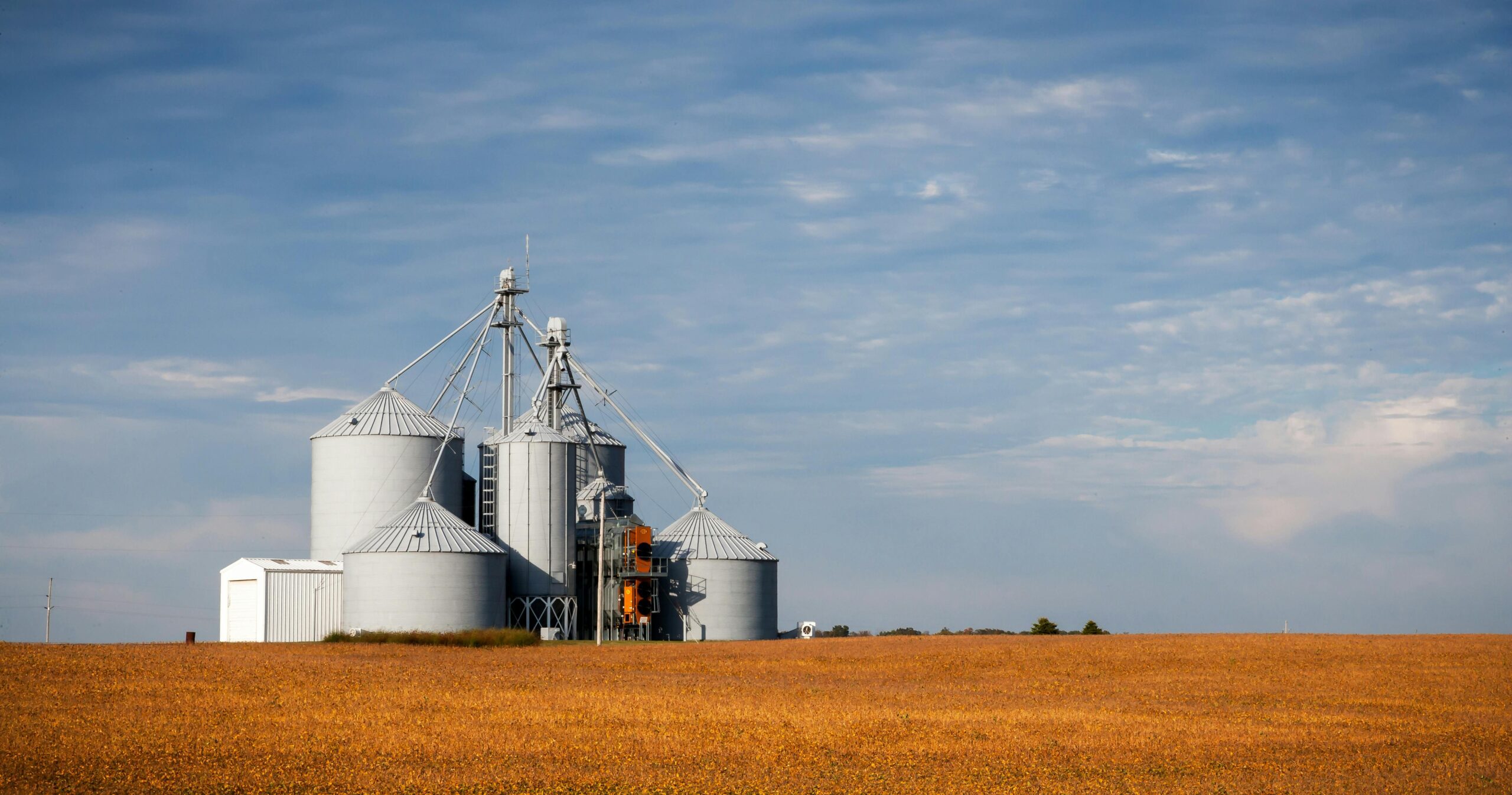
Modern farms run on storage. Water, nutrients, feed, and byproducts all need a reliable home. When supply breaks at the wrong time, you lose hours, yield, and peace of mind.
Steel bolted tanks offer a practical way to stabilise day-to-day operations. In the sections below, you will see ten common farm uses and the payoff for each one. You will also get a planning checklist you can use before calling a supplier.
Steel Bolted Tanks 101: Why They Fit Modern Farms
A steel bolted tank uses prefabricated steel panels that crews assemble on site. Gaskets seal the panel joints, and bolting forms a strong, serviceable structure. This approach works well when you need a large capacity without building everything from scratch in the field.
Compared with ponds, concrete pits, and plastic tanks, bolted steel tanks for farming often deliver better control and cleaner logistics. Ponds lose water to evaporation and seepage, and they raise safety and contamination concerns. Concrete pits can crack, and repairs can disrupt operations. Plastic tanks work for smaller volumes, yet they can struggle with UV exposure, impact damage, and limited scalability. Many farms start their research with Bolted Tanks by Tarsco when they want a clear look at modern options.
Top 10 Practical Uses on the Farm
Below are ten field-proven applications that make steel bolted tanks for agriculture a smart fit. Each use solves a real constraint, then improves reliability, compliance, or labor efficiency.
1. Irrigation Water Storage
Irrigation water storage tanks keep pivots running when wells or canals cannot match peak draw. The payoff is steadier moisture control and fewer crop stress events during heat.
2. Livestock Watering and Stock Water
Stock water needs consistency during freezing nights and high-heat afternoons. A dedicated tank reduces shortages, supports better weight gain, and lowers the risk of herd health issues.
3. Rainwater Harvesting for General Farm Use
Rain capture supports washdown, mixing water, and non-potable utility demand. The benefit is lower dependence on wells and more resilience during drought restrictions.
4 . Liquid Fertilizer Storage
Liquid fertilizer storage tanks keep nutrients on site for timely application. The payoff is fewer emergency deliveries and tighter control of fertigation schedules.
5. Pesticide and Chemical Storage
Chemical storage requires proper linings or coatings and clear separation practices. A sealed tank system reduces spill risk and supports safer handling and compliance.
6. Liquid Feed, Molasses, and Supplements
Liquid feed ingredients can bridge seasonal forage gaps and improve ration consistency. A tank system reduces handling time and helps you maintain predictable nutrition.
7. Grain, Feed, and Dry Bulk Storage
Grain and feed storage tanks used in silo-style service protect the product from weather and pests. The payoff is less shrinkage, fewer spoilage events, and cleaner inventory control.
8. Manure, Slurry, and Digestate Storage
Manure and slurry storage tanks support nutrient management plans and digestion systems. The benefit is better containment, easier pumping, and reduced runoff exposure.
9. On-Farm Fire Protection Water
Fire water capacity protects barns, shops, and storage buildings when rural response times run long. The payoff is lower loss severity and a stronger insurance posture.
10. Washdown, Process, and Greenhouse Water
Wash bays, packing lines, and greenhouse loops need stable water volumes and pressure. A dedicated tank reduces downtime and keeps sanitation routines consistent.
Why Choose Bolted Steel Tanks Over Other Options?
The biggest advantage is modularity. Steel bolted tanks for agriculture scale up to large volumes without forcing oversized equipment or long build windows. Farmers often like the predictable schedule, especially during planting or harvest crunch.
Durability depends on design and coatings, yet bolted systems hold up well in harsh environments with routine care. Many designs support future expansion, which helps when herd size grows or acreage increases. Routine maintenance stays straightforward for most farm operators. Plan on periodic visual checks, attention to fittings, and coating evaluations tied to your stored product.
Farm realities drive the decision. Weather risk can delay earthwork for ponds and complicate concrete pours. Labor limits make long repair projects painful. Reliable supply matters more than perfect aesthetics when the tank supports irrigation, livestock, or nutrient timing.
Planning a Bolted Tank for Your Operation
Good outcomes start before the first quote. Use this checklist to clarify your needs and speed up design discussions.
- Stored product and rules: Water, fertilizer, manure, or grain, plus any local siting or containment requirements.
- Capacity and peak demand: Days of storage, number of animals, irrigated acres, or seasonal application rate.
- Tank location: Gravity versus pumped flow, access for trucks, and separation distances for safety.
- System integration: Pivots, troughs, fertigation, silos, wash bays, and control valves.
- Operations plan: Filling schedule, cleaning approach, winter strategy, and outage tolerance.
Sketch two real scenarios with your own numbers. One scenario should reflect peak season demand. The second should reflect a stressed week, like a heat wave or harvest rush.
Long-Term Support and Choosing the Right Partner
A tank performs as a system, not as a shell. Design details, coatings, foundations, fittings, and service access all affect uptime. Farms that plan for inspection points and straightforward maintenance usually get a longer, calmer operating life.
When you compare suppliers, look past price alone. Ask how they handle coating selection, foundations, penetrations, and future upgrades. A simple decision path works well: name the top storage problems, match them to the ten uses, then compare a few partners on design quality and support. The best agricultural bolted tank solutions fit your risk profile and your long-term operating plan.