
 By Simon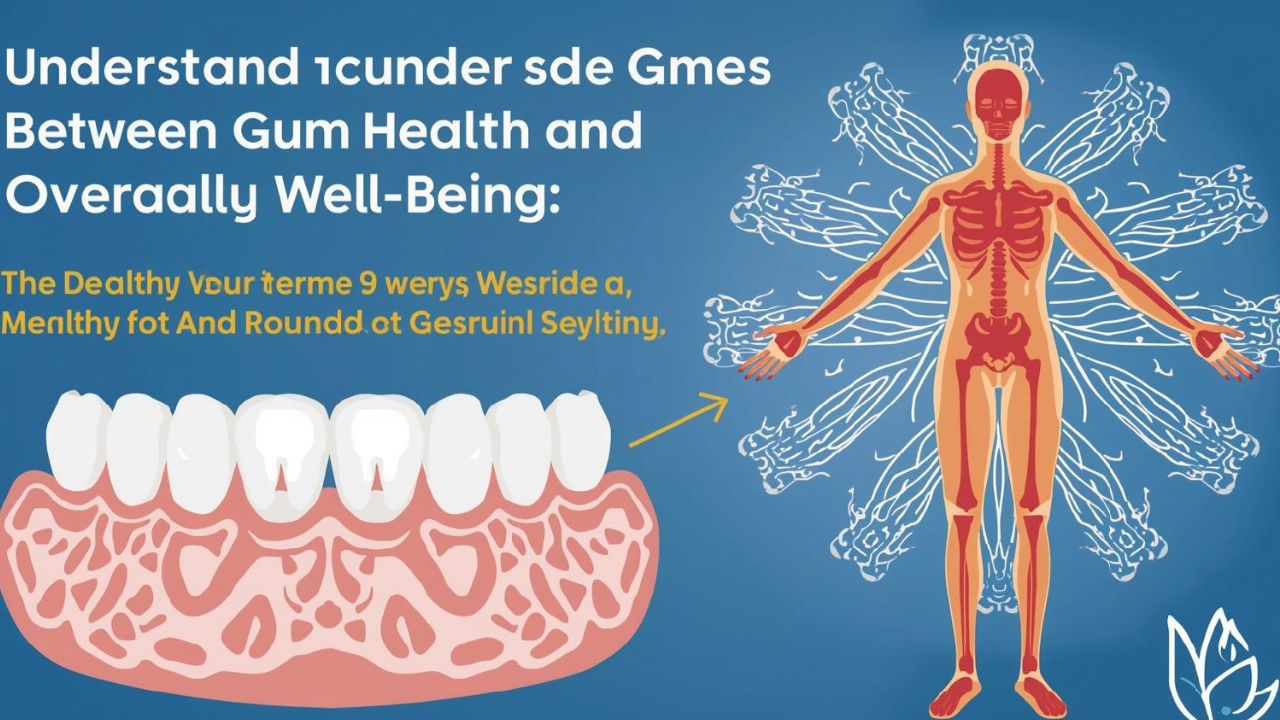
Most people think of gum health as a dental issue. Bleeding gums, bad breath, or sensitivity usually feel like problems that stop at the mouth. In reality, your gums play a much bigger role. They act as a barrier between your body and harmful bacteria, and when that barrier weakens, the effects can show up far beyond your smile. Research continues to highlight how closely gum health connects to heart health, blood sugar balance, inflammation, and even pregnancy outcomes.
Once you understand how gum disease begins and how it influences the rest of the body, it becomes easier to see why daily oral care matters more than you might expect.
How Gum Disease Starts and Progresses
Most gum problems begin quietly. After you eat, a sticky film called plaque builds on your teeth. If plaque stays along the gumline, the bacteria in it release acids and toxins that irritate the gum tissue.
At first, this causes gingivitis, which looks like redness, swelling, and gums that bleed when you brush. Left alone, gingivitis can move deeper. That leads to periodontitis, when pockets form around teeth and bone starts to break down. The sooner you act, the easier it is to stop this.
How Problems in the Mouth Reach the Rest of the Body
Think of your mouth as an entry point. Bacteria and inflammation in gum tissue can enter the bloodstream and interact with organs and blood vessels. Scientists have found consistent links between gum disease and several health areas that most people care about. Below are the clearest connections.
Heart Health and Blood Vessels
Researchers and heart experts have found a meaningful association between periodontal disease and atherosclerotic heart disease. In short, long-lasting gum inflammation raises markers that are tied to artery plaque and might help the processes that lead to heart attacks or strokes. That does not mean gum disease causes heart disease in every single case, but caring for your gums is a helpful step in supporting heart health over time.
Diabetes and Blood Sugar Control
If you have diabetes, your gums need extra attention. High blood sugar makes gum infections worse and harder to treat. At the same time, chronic gum inflammation can make blood sugar harder to control. This two-way relationship means treating gum problems can be part of a larger plan to manage diabetes. Talk with both your doctor and your dentist so they can coordinate care.
Pregnancy and Early Birth Risk
Pregnancy changes many things in the body, including how gums react to plaque. Studies show an association between maternal gum disease and a higher chance of preterm birth or babies born small for gestational age.
While researchers are still sorting out exactly how treatment changes those outcomes, keeping gums healthy during pregnancy is a safe and sensible step. Regular cleanings and careful home care help.
Systemic Inflammation You Can Measure
Gum disease is tied to low-grade systemic inflammation. Doctors often measure C-reactive protein, or CRP, as a marker for inflammation. People with untreated periodontitis tend to have higher CRP levels, and treating gum disease can lower those levels. That suggests the mouth can add to the body’s overall inflammatory load, which matters because ongoing inflammation plays a role in many chronic conditions.
Practical Steps You Can Start Today
The good news is that protecting your gums is mostly straightforward. You do not need a lot of fancy tools. Simple habits, done consistently, make a real difference.
- Brush twice a day with a soft brush and fluoride toothpaste. Use gentle circular motions along the gumline.
- Clean between teeth at least once a day with floss or an interdental brush. If using a water flosser helps you stick with the routine, use it.
- Cut back on sugary snacks and drinks because sugar feeds the bacteria that build plaque.
- Avoid tobacco in all forms. Tobacco speeds up gum damage and makes treatment less effective.
- Keep regular dental check-ups and cleanings. Tell your dentist about any chronic health issues, such as diabetes, so that they can adjust your care.
Small steps compound. For example, one extra night of flossing each week reduces plaque right away. Over months, those small wins add up to fewer appointments for deep cleaning and a lower chance of long-term problems.
When to See a Dentist Sooner
You should make an appointment sooner for dental and periodontal exams if you notice bleeding that does not stop after a week of careful home care, persistent bad breath, loose teeth, or pus near the gums. These are red flags that the infection may be advancing. Catching problems early keeps treatment simple and helps protect both teeth and overall health.
How Professionals Treat Gum Disease
Treatment depends on how deep the infection is. For mild cases, improved home care plus a professional cleaning is usually enough. For deeper pockets, a dentist will perform scaling and root planing to remove tartar under the gumline.
In more advanced cases, a specialist may use surgical options or regenerative techniques to repair bone and tissue, and sometimes antibiotics are used as a supportive measure. The goal is to lower bacterial load and calm inflammation so the gums can reattach to the teeth.
Putting It All in Perspective
Gum disease is common, but most cases begin with signs that are easy to treat. The important message is this: the mouth and body are connected. Caring for your gums helps protect your teeth and supports overall health.
If you have a chronic condition such as diabetes or heart disease, coordinated care between your medical and dental teams can make a real difference. A quick conversation between providers helps create a clearer plan for monitoring risks and timing treatments.
A Healthier Mouth Starts With Your Gums
You do not need to be perfect. Focus on steady, manageable habits and regular check-ups with a top dental scaling service like Clean Smiles Dental Clinic. When your gums are healthy, you reduce infection, lower inflammation, and support the rest of your body. That is a practical investment in long-term health that starts with a few minutes each day.
What small change will you try this week to protect your gum health?