
 By businessnewstips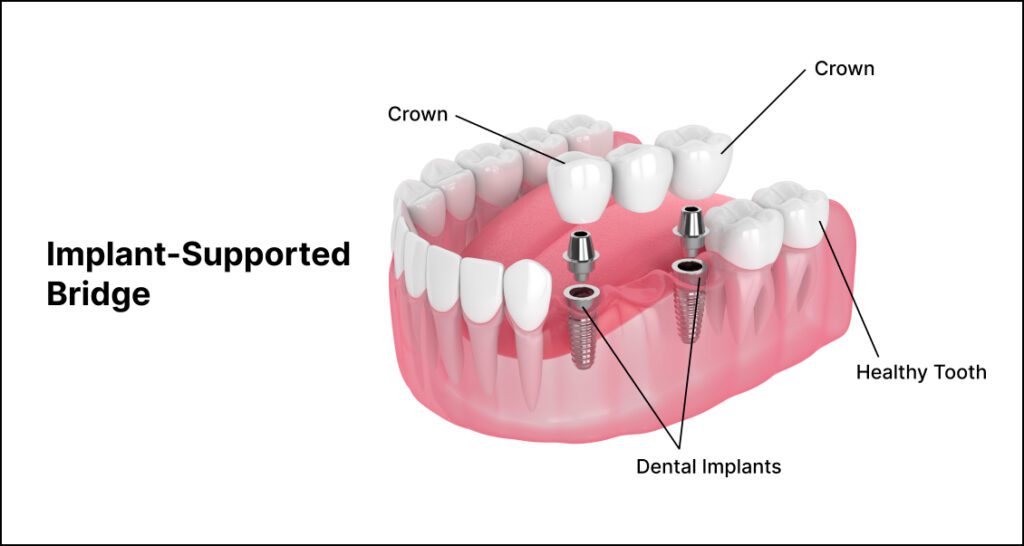
Full mouth dental implants replace all teeth in the upper and/or lower jaw. They use titanium implants in the jawbone. This method helps restore chewing, speech, and face appearance.
These implants offer a strong bite, better speech, and keep the jawbone and face shape. They last longer than removable dentures. Many patients feel more comfortable and confident.
U.S. patients can save money by traveling for dental care. VNDentalTravel offers full mouth dental implants at a lower cost. This makes it a popular choice.
People with many missing teeth or failing dentition are good candidates. Your health, smoking, diabetes, and bone volume are important. If bone is lacking, grafting or lifts might be needed.
Planning starts with a detailed exam and imaging. This includes X-rays and CT scans. A team of experts works together to plan the implants and final look.
Risks include infections, implant failure, nerve damage, and sinus problems. But, with careful planning and experienced doctors, these risks are lower. For dental implants in Vietnam, plan your trip well and ensure follow-up care.
What Are Full Mouth Dental Implants
Full mouth dental implants replace a full upper or lower arch. They use several endosseous implants made from titanium or titanium alloy. These implants anchor a prosthesis that can be fixed or removable.
Key parts include abutments, a prosthetic framework in titanium or zirconia, and teeth made of acrylic or porcelain. The prosthesis is either screw-retained or cemented, depending on the design.
Fixed options use an implant-supported bridge that stays in place. It looks like natural teeth. Removable choices include implant-retained overdentures, which patients or clinicians can remove for cleaning.
An acrylic-on-metal hybrid denture offers lower cost and easier repair. A monolithic zirconia prosthesis delivers superior strength and esthetics but usually costs more and can be harder to adjust.
Osseointegration is the biological basis for success. The bone fuses to the implant over weeks to months. This creates a stable foundation.
Compared with conventional dentures, implants help preserve the alveolar bone. They maintain facial contours. A clear dental implant recovery timeline guides patients through initial healing, soft-tissue maturation, and final prosthesis placement.
Diagnosis starts with CBCT imaging and digital treatment planning. Software like NobelClinician or BlueSkyBio is used. Surgical guides translate plans into precise implant placement.
Mock-ups show an aesthetic preview. When jawbone volume is low, bone grafting or sinus augmentation may be required. This supports implants.
Cost factors include the number of implants, the choice between an implant-
supported bridge or hybrid denture, grafting needs, materials, lab fees, and clinician expertise. Dental tourism options, like VNDentalTravel dental implants in Vietnam, can lower costs.
VNDentalTravel packages bundle treatment, accommodations, and transfers. They help U.S. patients save while receiving care abroad.
Well-placed implants with regular hygiene can last decades. Prosthetic parts wear at different rates. Acrylic teeth need more frequent maintenance than zirconia.
Survival and success rates are high. This is when experienced teams perform placement and patients follow routine care and checkups.
All-on-4 vs All-on-6 Explained
The all-on-4 procedure uses four implants to support a full-arch fixed prosthesis. Two implants are placed vertically in the front jaw. Two posterior implants are angled to maximize available bone. This approach often avoids bone grafting and lets patients leave clinic with same-day provisional teeth in many cases.
All-on-6 uses six implants to spread load and improve retention. Extra implants deliver greater primary stability and better biomechanics. Patients with stronger bite forces or sufficient bone volume may benefit from the redundancy and long-term support that six implants provide.
Surgically, the main difference is implant number and distribution. The all-on-4 procedure reduces surgical time and hardware. All-on-6 may require more planning and components, but it can lower stress on each implant and simplify future repairs if one implant fails.
In prosthetic terms, both protocols can support immediate loading when primary stability is achieved. The dental implant process for either path relies on CBCT-guided planning, precise implant placement, and prosthesis design tuned to the arch. Definitive prostheses may be more robust with six anchors when bone and budget allow.
Complication and maintenance considerations vary. Fewer implants mean higher load per fixture, so a single failure in an all-on-4 case can threaten the entire arch and require complex intervention. All-on-6 gives redundancy that often makes management easier. Routine care includes hygiene access, regular professional cleanings, and periodic component checks.
Cost and patient selection matter. The all-on-4 procedure tends to cost less because it uses fewer implants and parts. All-on-6 carries higher upfront expense but may reduce long-term risks for some patients. Clinicians choose based on oral health, bone volume, and the dental implant process confirmed by CBCT imaging.
VNDentalTravel offers both pathways to international patients through partner clinics in Vietnam. Teams use digital planning and experienced surgeons to personalize treatment. Competitive dental tourism packages can cover the all-on-4 procedure or all-on-6 options, giving patients clear choices for full mouth dental implants and care coordination across travel and treatment.
VNDentalTravel full mouth dental implants
VNDentalTravel helps patients from the United States get full mouth dental implants in Vietnam. They find the best clinics, match patients with skilled doctors, and plan treatments digitally. They also book appointments, arrange travel, and communicate with patients every step of the way.
Clincs use top implant brands like Nobel Biocare and Straumann. They follow strict cleaning rules and international standards. Teams of doctors and technicians work together to plan and do the surgery and make the prosthetics.
Patients start with a remote consultation using photos and scans. They get a detailed plan and cost estimate. Then, they book their travel and get help with visas.
The first visit may include extractions and bone grafting. Many get a temporary prosthesis right away. Most patients need one to two trips, lasting from a week to several weeks.
VNDentalTravel takes care of airport pickup, hotel, and local transport. They also offer interpreter services and help with emergencies. The recovery time varies, but immediate loading can speed it up.
Packages include everything from implants to travel costs. Clinics offer warranties, but patients should check coverage. They should also plan for follow-up care with their U.S. dentist.
They check the credentials of doctors and clinics. They also look at patient reviews and before/after photos. VNDentalTravel advises on medical clearance and travel insurance. They help plan ongoing care at home.
FAQ
What are full mouth dental implants?
Full mouth dental implants replace all teeth in the upper and/or lower jaw. They use multiple titanium implants in the jawbone. These implants support a fixed prosthesis or an implant-retained overdenture.The system includes implants, abutments, a prosthetic framework, and prosthetic teeth. Full mouth implants restore chewing, speech, and facial structure. They also improve long-term oral health.
Who is a good candidate for full mouth dental implants?
Ideal candidates have extensive tooth loss or failing dentition. They may have severe decay or advanced periodontal disease. Or, they might be unhappy with removable dentures.Candidates must be in good health and have controlled chronic conditions. They should be willing to stop smoking if needed. Adequate bone volume is important, but grafting or sinus lifts can be done when necessary.A thorough clinical exam, panoramic X-ray, and CBCT imaging determine candidacy.
How does the full mouth dental implant process work?
The process starts with a thorough evaluation. This includes a clinical exam, CBCT scan, and diagnostic wax-ups. A multidisciplinary team plans the treatment digitally.Surgery may involve extractions, implant placement, and grafting. Some protocols allow immediate provisional prostheses. After placement, osseointegration occurs over weeks to months.Final prostheses are attached after integration. The final delivery includes adjustments and maintenance instructions.
What is the implant recovery timeline?
Recovery has predictable milestones. The first 1–2 weeks focus on managing swelling and discomfort. Soft tissue heals in 2–4 weeks.Osseointegration—the biological integration of implant and bone—usually takes 3–6 months. With immediate loading, a provisional prosthesis can be placed same day. But, the definitive prosthesis may follow after integration.Long-term follow-up and hygiene are essential for longevity.
What are the differences between All-on-4 and All-on-6?
All-on-4 uses four implants to avoid grafting and reduce cost. It often allows immediate provisional teeth. All-on-6 places six implants for better load distribution and stability.All-on-6 can make future repairs easier if an implant fails. Choice depends on CBCT-guided planning, bone anatomy, and patient needs.
What risks and complications should I expect?
Possible complications include infection, implant failure, and nerve injury. Sinus complications can occur after upper-jaw procedures. Risk is reduced by careful case selection and experienced clinicians.Regular professional cleanings and proper home hygiene lower long-term complication rates.
How long do full mouth dental implants last?
Implants can last decades with proper care. Prosthetic components may need maintenance or replacement. Long-term success depends on surgical skill, prosthetic design, and patient health.
How much do full mouth implants cost and can traveling to Vietnam save money?
Cost depends on the number of implants, prosthesis type, and grafting needs. Brand of implants and lab fees also affect cost. Dental tourism to Vietnam can save money due to competitive pricing.Traveling packages include treatment, accommodation, and support. They provide clear pricing for U.S. patients considering implants.
What does a typical VNDentalTravel patient journey look like?
The journey starts with a remote consultation. VNDentalTravel coordinates clinic selection and surgeon matching. Digital treatment planning and cost estimates are provided.Travel arrangements, visas, and airport pickup are handled. Initial visits may include extractions and implant placement. Patients may make one or two trips depending on the protocol.VNDentalTravel provides aftercare instructions and emergency contacts. They work with U.S. dentists for ongoing maintenance.
What implant brands and clinical standards do partner clinics use?
Partner clinics use reputable implant systems like Nobel Biocare and Straumann. They also use CBCT imaging and digital workflows. Teams include oral surgeons, prosthodontists, and skilled dental technicians.Clinics follow sterilization protocols and international standards. This ensures predictable outcomes.
What warranties or guarantees are offered for treatments abroad?
Warranty terms vary by clinic. They are usually itemized in treatment packages. Patients should request clear warranty details before travel.Warranties cover implants, prosthetic components, grafts, and lab fees to different extents. VNDentalTravel helps clarify these terms and assists with post-op coordination.
How do I prepare for international implant treatment and follow-up care at home?
Preparation includes obtaining a current medical clearance if needed. Supply recent dental records and CBCT scans for planning. Book travel with adequate recovery time.Arrange follow-up care with a local U.S. dentist. Secure travel insurance and understand emergency contacts. VNDentalTravel provides detailed pre-travel instructions and medication support.
Can smokers or patients with diabetes receive full mouth dental implants?
Smoking and uncontrolled diabetes increase risk of complications. Many clinics require smoking cessation before and after surgery. They ensure diabetes is well-controlled.Case-by-case evaluation is necessary. Bone quality, healing capacity, and systemic control determine eligibility. Pre-travel medical clearance and honest disclosure are essential for safe planning.
How is digital planning used in full mouth implant cases?
Digital planning uses CBCT scans and software to map implant positions. It designs surgical guides and previews prosthetic outcomes. This improves surgical accuracy and reduces guesswork.Digital workflows streamline communication between surgeons, prosthodontists, and dental labs. They support predictable immediate or delayed loading protocols.
What follow-up and maintenance are required after treatment?
Follow-up includes professional cleanings and inspections at intervals recommended by your clinicians. Home care requires meticulous oral hygiene. Any issues with prosthetic screws or soft tissue should be addressed promptly.VNDentalTravel assists in coordinating local U.S. dentists for ongoing maintenance.