
 By Clay Leger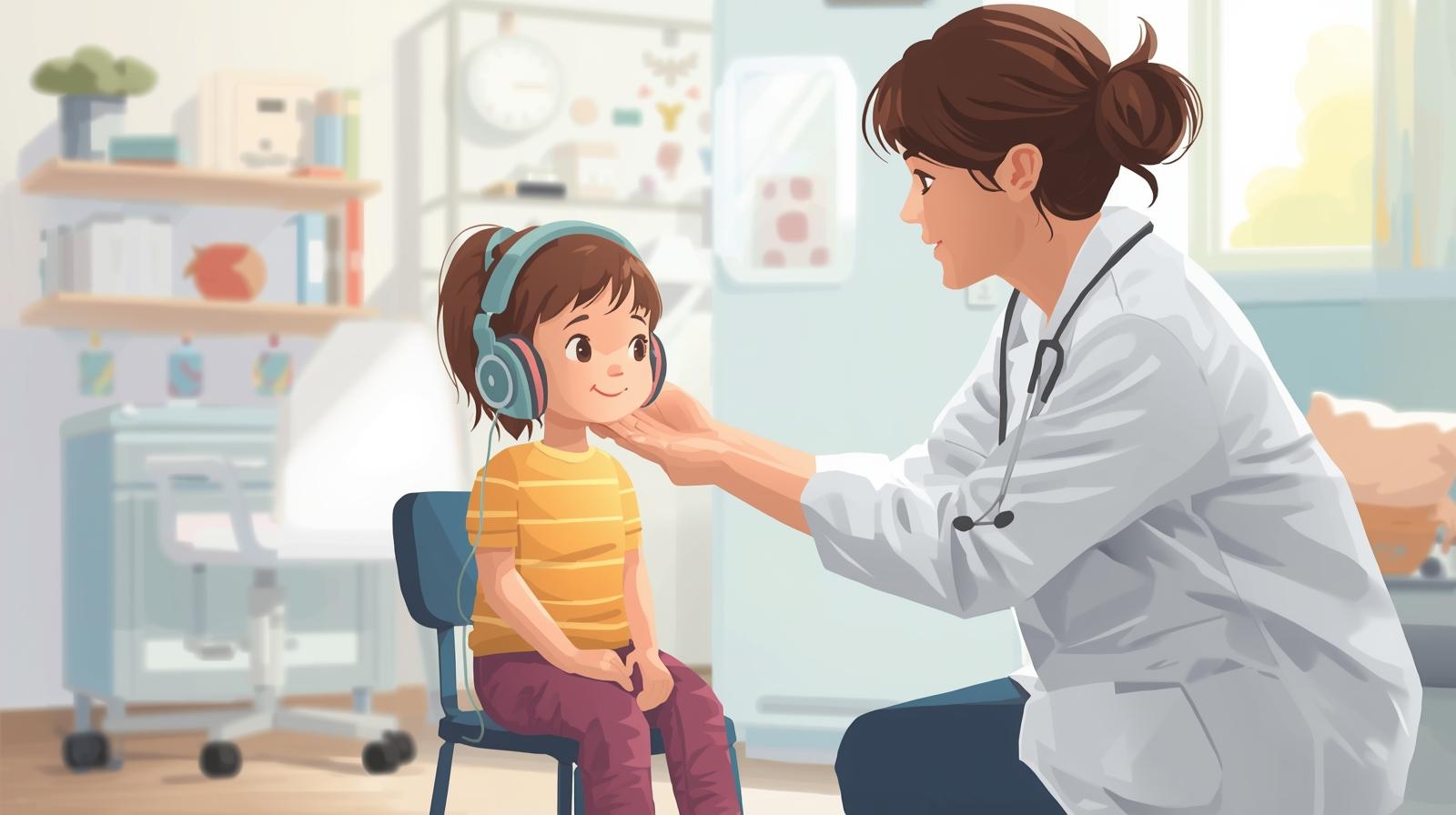
Hearing plays a critical role in a child’s overall development. From learning how to speak to following instructions at school and building social connections, the ability to hear clearly supports many everyday skills. When parents are advised to book a pediatric hearing test, it is common to feel uncertain about what the process involves and how their child will react.
A child’s hearing test is designed to be safe, comfortable, and age appropriate. Understanding each step can help parents feel more confident and prepare their child for a calm experience. This guide explains the full process of a hearing test for kids, from arrival to results, in a clear and reassuring way.
Why Children May Need a Hearing Test
Children may be referred for a pediatric hearing screening for many reasons. Some are tested as part of routine developmental checks, while others are assessed due to concerns raised by parents, teachers, or healthcare providers.
Common reasons include:
- Delayed speech or unclear pronunciation
- Difficulty following instructions
- Frequently asking for repetition
- Turning up the volume on devices
- A history of ear infections
- Poor attention or learning difficulties
A hearing test helps identify whether hearing is contributing to these concerns or if further support is needed.
Step 1: Discussion and Medical History Review
The first part of the appointment involves a conversation with trained audiologists or an audiometrist. Parents are asked about the child’s health, development, and behaviour. Older children may also be asked simple questions about what they hear or find difficult.
Topics often covered include:
- Pregnancy and birth history
- Speech and language milestones
- Past ear infections or surgeries
- Family history of hearing loss
- School or learning challenges
This information allows the pediatric audiologist to choose the most suitable testing methods for the child’s age and needs.
Step 2: Visual Ear Examination
Before any sound testing begins, the ears are checked visually. This step ensures there are no physical issues that could affect the results.
The audiometrist looks for:
- Earwax build up
- Signs of fluid or infection
- Blockages or inflammation
This examination is quick and painless and helps confirm that the pediatric hearing test results will be reliable.
Step 3: Choosing the Right Hearing Test for the Child’s Age
Children are tested using different techniques depending on their age, attention span, and ability to follow instructions. All methods are adapted to make the process engaging and stress free.
Hearing Tests for Babies
Babies and very young children usually undergo objective testing. These tests measure how the ear or hearing nerve responds to sound and do not require the child to actively respond. The baby may be asleep or resting quietly during the test.
Hearing Tests for Toddlers and Preschoolers
Toddlers often take part in play based testing. Sounds are presented through speakers or headphones, and the child is encouraged to respond with simple actions such as turning their head or placing toys in a box. This approach keeps the hearing test for kids fun and interactive.
Hearing Tests for School Age Children
Older children typically wear headphones and respond when they hear different tones. They may raise a hand, press a button, or verbally acknowledge sounds. This method helps measure hearing accuracy across a range of pitches and volumes.
Step 4: Speech and Listening Assessments
In addition to tone testing, a child’s hearing test may include speech based assessments. These tests check how well a child hears and understands spoken words, which is especially important for classroom learning.
Speech testing can help identify:
- Difficulty hearing soft speech
- Problems understanding speech in noisy environments
- Challenges with clarity rather than loudness
This step gives audiologists a clearer picture of how the child hears in everyday situations.
Step 5: Understanding the Test Results
Once testing is complete, the audiometrist or pediatric audiologist explains the results in clear, parent friendly language. Charts and visuals may be used to show hearing levels in each ear.
Parents are informed whether:
- Hearing is within the expected range for age
- Results need monitoring over time
- Further assessment or referral is recommended
If hearing concerns are identified, the focus is on understanding the findings and discussing appropriate next steps.
Step 6: Guidance, Support, and Follow Up
A key part of pediatric hearing screening is providing guidance. Parents may receive advice on:
- Supporting listening and communication at home
- When to repeat testing
- School or classroom considerations
- Signs to watch for as the child grows
Follow up appointments may be recommended, especially for younger children whose hearing can change as they develop.
How Long Does a Child’s Hearing Test Take
The length of a pediatric hearing test depends on the child’s age and the type of assessments required. Most appointments last between 30 and 60 minutes. Extra time may be taken if the child needs breaks or reassurance.
Audiologists are trained to work patiently and adapt the session to the child’s comfort level.
Helping Your Child Feel Comfortable During the Test
Parents can help prepare their child by:
- Explaining the test in simple, positive language
- Letting them know there will be games and sounds
- Bringing a favourite toy or comfort item
- Scheduling the appointment at a time when the child is usually alert
A relaxed child often leads to more accurate test results.
A Safe and Valuable Assessment
A hearing test for kids is non invasive, gentle, and designed with children in mind. Whether conducted as a routine check or in response to concerns, pediatric hearing assessments provide valuable insight into a child’s development.
By understanding what happens during a child’s hearing test, parents can approach the process with confidence and ensure their child receives the support they need for healthy communication and learning.