
 By businessnewstips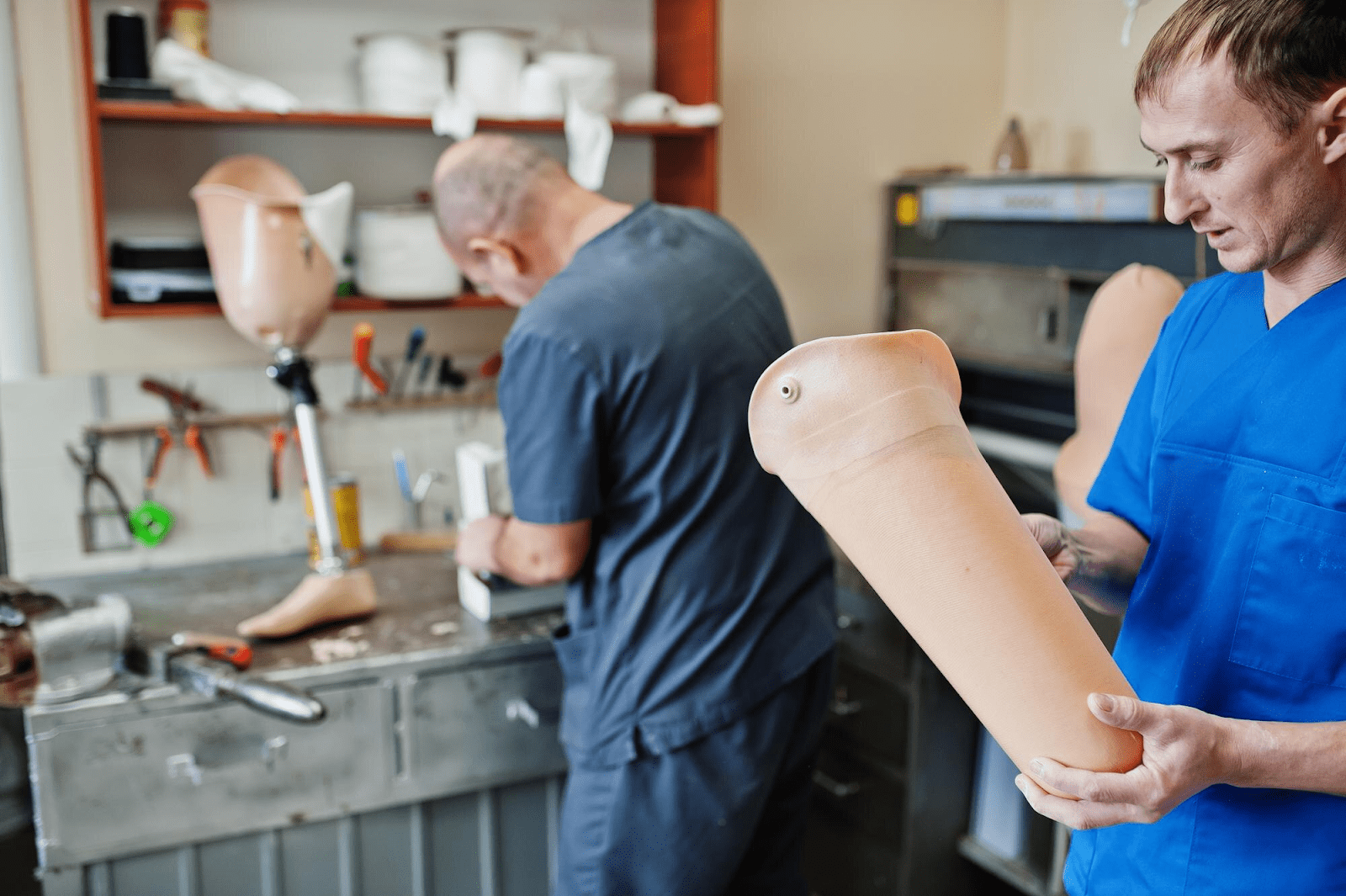
Choosing prosthetic services in Florida is an important step for individuals adjusting to limb loss or limb difference. Whether you are receiving your first prosthesis or upgrading to a newer device, understanding the process helps you feel prepared and confident. A reputable Florida prosthetics clinic will provide comprehensive care, from assessment through long-term follow-up, ensuring your device supports mobility, comfort, and independence.
Below is a detailed overview of what you can expect throughout the prosthetic care journey.
Initial Consultation and Assessment
Your experience with prosthetic services typically begins with an in-depth consultation. During this appointment, the prosthetist will review your medical history, discuss your goals, and assess your residual limb.
This assessment may include:
- Evaluation of limb shape and skin condition
- Discussion of lifestyle and activity level
- Review of previous prosthetic experience (if applicable)
- Measurement and casting or digital scanning of the limb
The goal of this stage is to understand your individual needs and determine the most suitable prosthetic solution.
Personalised Treatment Planning
After assessment, the clinic will develop a customised treatment plan. Trusted prosthetic services in Florida do not rely on one standard device for all patients. Instead, they consider:
- Your physical condition
- Level of amputation
- Daily activities
- Work requirements
- Recreational interests
- Long-term mobility goals
This personalised approach ensures the prosthesis is designed specifically for you, rather than being a generic solution.
Device Design and Fabrication
Once the treatment plan is confirmed, the prosthetist will begin designing your device. This may involve creating a custom socket — the part of the prosthesis that fits directly onto your residual limb.
The socket must fit precisely to ensure comfort and stability. Many modern Florida prosthetics clinics use advanced technologies such as:
- Digital scanning systems
- Computer-aided design (CAD)
- 3D modelling
- Advanced materials for lightweight construction
These technologies improve accuracy and reduce the need for repeated adjustments.
Fitting and Alignment
After fabrication, you will attend fitting appointments. During these sessions, the prosthetist will:
- Ensure proper socket fit
- Adjust alignment for balance and posture
- Test comfort during standing and walking
- Make fine-tuning modifications as needed
Alignment is critical for efficient movement and reducing strain on other parts of the body, such as the hips, knees, or back.
Training and Rehabilitation Support
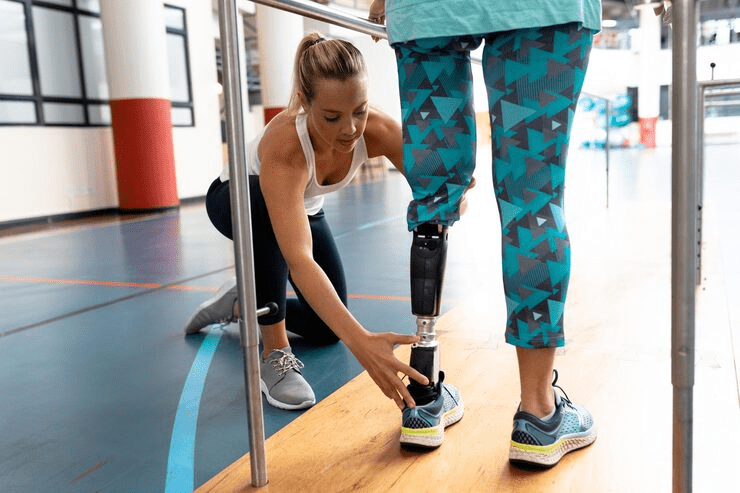
Using a prosthesis effectively requires practice and training. Many prosthetic services in Florida collaborate with physical therapists to help patients adapt safely.
Training may include:
- Walking exercises
- Balance training
- Strengthening routines
- Functional movement practice
- Stair climbing and terrain navigation
Rehabilitation support helps improve confidence and independence.
Follow-Up Appointments and Adjustments
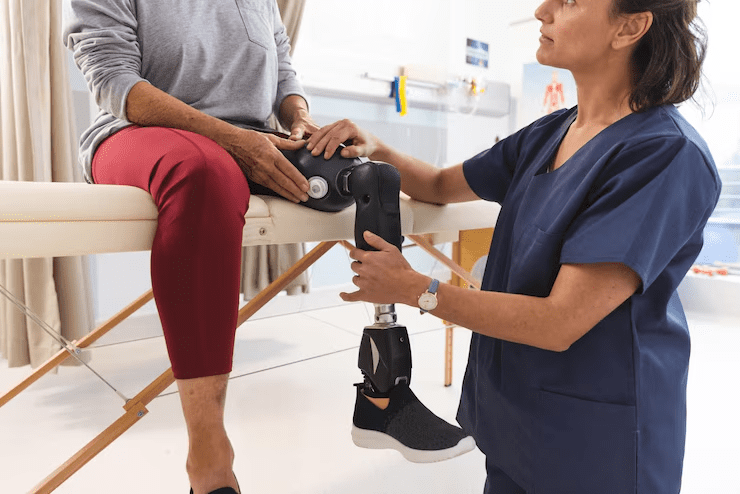
Prosthetic care does not end after the first fitting. Over time, your body may change due to weight fluctuations, muscle development, or healing progression. Regular follow-up appointments ensure your prosthesis remains comfortable and functional.
During follow-up visits, the clinic may:
- Adjust socket fit
- Replace worn components
- Upgrade parts if needed
- Address any discomfort or skin irritation
Ongoing support is a key feature of high-quality prosthetic services.
Access to Advanced Components
A modern Florida prosthetics clinic may offer a variety of advanced prosthetic components, depending on your needs. These can include:
- Microprocessor-controlled knees
- Energy-return feet
- Hydraulic joints
- Myoelectric upper-limb systems
- Activity-specific prosthetics for sports or recreation
The right components can significantly enhance mobility, stability, and quality of life.
Insurance and Financial Guidance
Many patients have questions about insurance coverage and costs. Trusted clinics will help you understand:
- What your insurance plan covers
- Required documentation
- Prior authorisation processes
- Out-of-pocket expenses
Clear communication about financial matters ensures transparency and reduces stress.
Long-Term Care and Maintenance
Prosthetic devices require regular maintenance to function properly. Your clinic will provide guidance on:
- Cleaning and care
- Component maintenance
- When to seek repairs
- Signs that adjustments are needed
Long-term support ensures durability and continued comfort.
Emotional and Educational Support
Adjusting to a prosthesis can involve both physical and emotional adaptation. Many prosthetic services in Florida recognise the importance of holistic care. Some clinics provide educational resources or referrals to support groups, helping patients connect with others who have similar experiences.
What Makes a Quality Florida Prosthetics Clinic
When choosing a provider, look for:
- Certified prosthetists
- Comprehensive services
- Advanced technology
- Clear communication
- Strong patient reviews
- Ongoing follow-up care
A reputable clinic will prioritise your comfort, safety, and long-term success.
Final Thoughts
When you engage with prosthetic services in Florida, you can expect a structured process that includes assessment, custom design, precise fitting, training, and continued support. A trusted Florida prosthetics clinic will work closely with you to create a device tailored to your needs and lifestyle.
With professional guidance, modern technology, and consistent follow-up care, prosthetic solutions can help restore mobility, enhance independence, and improve overall quality of life. If you are beginning this journey, scheduling a consultation is the best first step toward finding the right prosthetic care for your individual goals.