
 By businessnewstips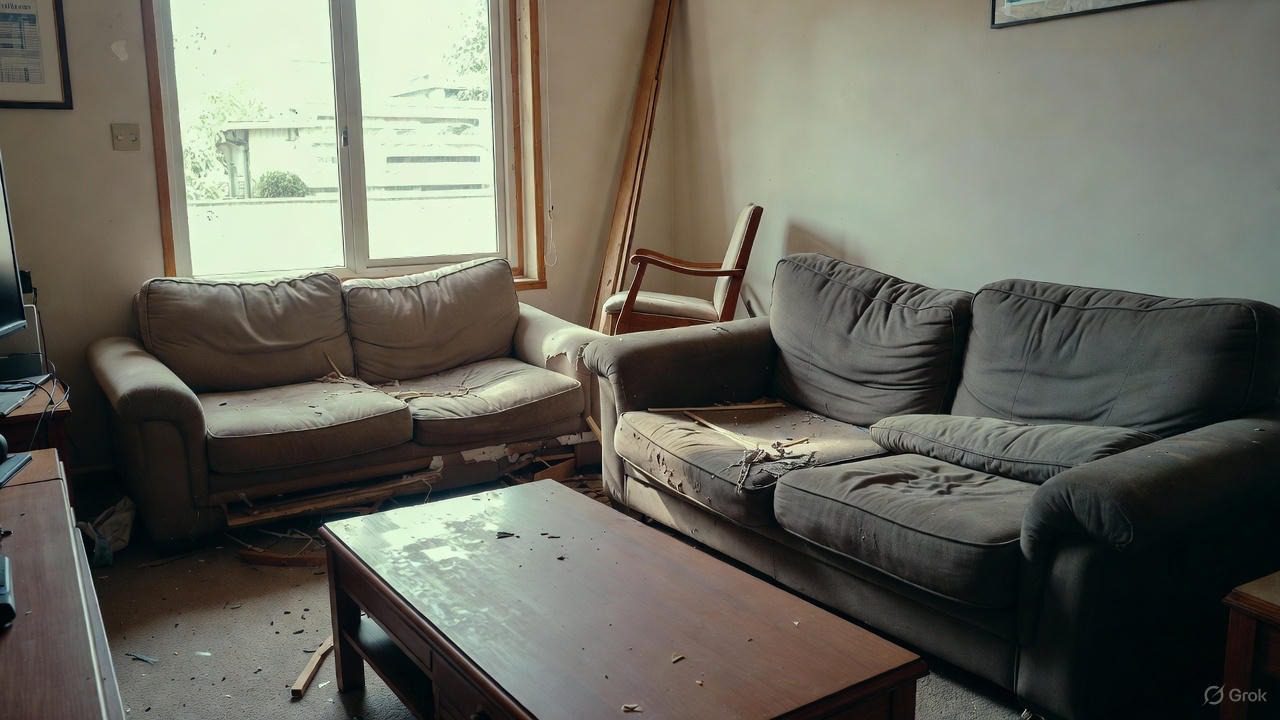
Old furniture often stays in our homes far longer than it should. Whether it’s a worn-out couch, a damaged wardrobe, or a chair that no one uses anymore, these items quietly take up space and create ongoing problems. Knowing when it’s time to remove old furniture can help homeowners maintain a safer, cleaner, and more functional living environment.
Here are the clearest signs that it’s time to let go.
1. Visible Damage and Structural Issues
Furniture is designed to support weight and daily use—but only for a limited time. Once its structure weakens, it can become a safety risk.
Common warning signs include:
- Broken frames or loose joints
- Sagging cushions or collapsed seats
- Exposed springs, nails, or sharp edges
- Furniture that feels unstable when used
Ignoring these signs can lead to accidents, especially in busy households.
2. Health and Hygiene Concerns
Old furniture, particularly upholstered items, can have a negative impact on indoor air quality. Over time, sofas and chairs absorb:
- Dust and allergens
- Pet hair and bacteria
- Moisture that can lead to mould
If cleaning no longer improves the smell or condition of furniture, removal may be the healthiest option for your home.
3. It’s Wasting Valuable Space
Unused furniture often sits in spare rooms, garages, or corners “just in case.” Unfortunately, this creates clutter and limits how efficiently your home functions.
Signs furniture is no longer serving a purpose:
- Rooms feel cramped or difficult to move around
- Storage areas are blocked
- Cleaning becomes harder and more time-consuming
Removing unnecessary items can instantly make your home feel more open and organised.
4. Increased Safety Risks at Home
Old or oversized furniture can pose serious safety hazards, especially in homes with children or elderly residents.
Potential risks include:
- Furniture tipping over
- Blocked walkways or exits
- Difficult navigation through hallways or stairs
Addressing these risks early helps prevent injuries and improve overall home safety.
5. Lifestyle or Household Changes
As lifestyles change, furniture needs often change too. Items that once suited your home may no longer fit your daily routine.
This often happens when:
- You downsize or move house
- Family size changes
- You start working from home
- Storage or accessibility needs increase
Holding onto outdated furniture can limit how well your home adapts to these changes.
Avoiding Common Furniture Removal Mistakes
Once homeowners decide it’s time to remove old furniture, the next challenge is handling the process correctly. Many people underestimate the difficulty of furniture removal, which can lead to injuries, property damage, or improper disposal.
Understanding Common Furniture Removal Mistakes can help you avoid these issues and plan removal more safely and efficiently.
When Professional Furniture Removal Is the Best Option
Large, heavy, or awkward furniture items are rarely easy to remove without proper tools and experience. DIY attempts often result in strain, damage, or disposal problems.
Professional Furniture Removal Services offer a practical solution by:
- Handling heavy lifting safely
- Protecting walls, floors, and doorways
- Disposing of furniture according to local regulations
- Recycling materials where possible
Using a professional service saves time, reduces physical risk, and ensures responsible disposal.
How to Prepare for Furniture Removal
To make the process smoother, homeowners can:
- Measure furniture and access points
- Clear pathways inside the home
- Separate items for donation or disposal
- Decide removal priorities in advance
Preparation reduces stress and helps the removal go smoothly.
Conclusion
Knowing when to remove old furniture is essential for maintaining a safe, healthy, and comfortable home. Visible damage, hygiene concerns, wasted space, and lifestyle changes are all strong indicators that it’s time to take action. By avoiding common removal mistakes and choosing responsible removal options, homeowners can improve both their living space and peace of mind.