
 By businessnewstips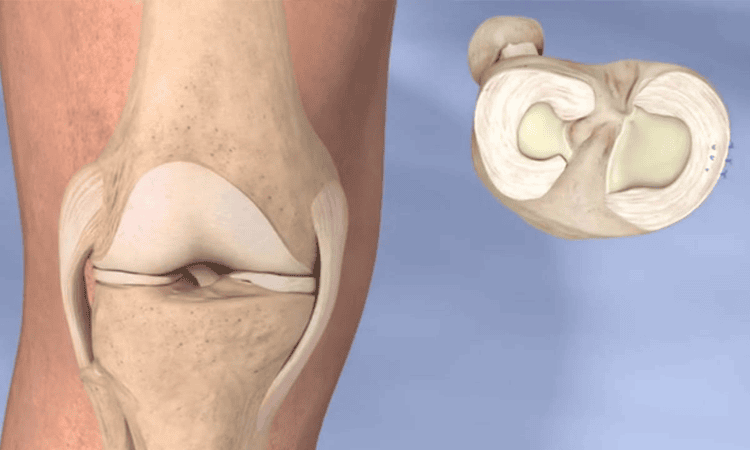
It often starts on a day when everything feels right. The body feels strong, energy is high, and movement feels smooth. But after exercise, one knee swells, feeling tight, warm, and sore. The sense of strength turns into worry, especially when the knee feels unstable or like it might give way.
For many people, this is a familiar and frustrating pattern. The swelling may go down with rest or ice, but the lingering instability raises questions about what is really happening inside the joint. Could it be simple overuse, or a more serious problem with cartilage or ligaments?
Understanding why the knee swells or feels unstable after activity is key to knowing how to take care of it properly. It often involves the delicate balance of muscles, ligaments, and cartilage, which normally work together to keep the joint moving smoothly, until one part of the system struggles to keep up.
Overuse and Repetitive Stress
When Movement Demands Too Much
Sometimes, the cause of a swollen and unstable knee is not an accident but repeated use. Running, cycling, jumping, or squatting puts constant pressure on the same tissues. The cartilage cushions the bones and tendons to absorb shock, but over time, they can become irritated. When tissue becomes inflamed, fluid builds up inside the joint, leading to swelling and stiffness.
This kind of swelling often comes with a dull throbbing or soreness that worsens with more activity. The body is sending a message that rest is needed, even if the person is eager to stay active. Ignoring that message can make the inflammation worse and cause the knee to give out unexpectedly.
The Effect of Weak Muscles
When the surrounding muscles, especially the quadriceps and hamstrings, are weak or uneven, the knee joint takes more strain with every step. This muscle imbalance disrupts joint stability, making it harder for the knee to stay aligned during movement. The feeling of wobbling or giving way often comes from this lack of muscular support.
Even small weaknesses can change how the knee absorbs force. Over time, this uneven pressure wears on the joint and causes the soft tissues to react with swelling, stiffness, and tenderness. Strengthening these muscles gradually and consistently can help prevent the knee from becoming unstable again.
Inflammation as a Warning
In many cases, swelling is not the real problem but a sign that something else is going on. It is the body’s way of protecting and cushioning the knee while healing begins. However, persistent swelling after exercise can also mean that the knee has not fully healed or that the same motion keeps stressing the same tissues before they can recover.
When this happens, resting alone often does not fix the issue. The fluid inside the joint can limit movement, reduce flexibility, and create pressure that affects proper muscle engagement. Noticing these signs early helps prevent more serious wear and tear over time.
Injuries Beneath the Surface
The Hidden Strain of Ligament Tears
Sometimes, the feeling of instability is more than muscle fatigue or irritation. If the knee occasionally locks, pops, or shifts suddenly, it could point to a more serious injury such as a ligament tear. The anterior cruciate ligament and medial collateral ligament are the most common causes when the knee feels unstable or wobbly.
These ligaments keep the joint centered and aligned, especially during twisting or pivoting movements. When one is stretched or torn, the knee loses its natural control. Swelling may appear immediately in some cases or gradually in others as fluid fills the joint to protect the damaged tissue. Even minor strains can create long-lasting discomfort and instability that makes everyday movement challenging.
The Role of Meniscus Damage
Deep inside the knee, two C-shaped pieces of cartilage called the menisci act as cushions between the thigh and shin bones. These soft, flexible pads spread body weight evenly with every step or squat. But when one of them tears, whether from a sudden twist or gradual wear, swelling and instability often follow.
A meniscus tear can make the knee feel stuck, weak, or as if it might give way. Sometimes it causes sharp pain, while in other cases it only brings a dull ache and swelling after activity. Even small tears can become troublesome if not treated. For many, this is when they first hear terms such as meniscus repair and treatment, medical steps that restore function and stability by addressing the cause rather than only reducing symptoms.
Why Swelling Lingers
Knee injuries tend to swell not only because of fluid but also because of inflammation and the body trying to create a healing environment. Unfortunately, that protective reaction can slow recovery if the fluid stays too long. Movement becomes limited, the quadriceps weaken, and the sense of instability increases.
Gentle activity under professional supervision usually helps push the fluid out of the joint. Rest alone can sometimes make stiffness more noticeable after swelling goes down. This delicate balance between movement and rest is essential for long-term knee health, especially after injuries involving cartilage or ligaments.
Regaining Stability and Confidence
Living with a knee that swells after exercise is more than just a physical inconvenience. It can also affect confidence when moving. The fear of another flare up or sudden instability can limit not only workouts but also simple daily activities like climbing stairs or standing up from a chair.
Recovery depends on finding what the knee really needs. For some, it is strength training. For others, it might involve physical therapy, scans, or professional evaluation to identify underlying issues such as cartilage wear or ligament strain. The important step is not to ignore the signs. A knee that repeatedly swells or gives out is asking for care, not punishment.
Healing often requires patience. Keeping up with exercises designed to restore stability, combined with mindful rest, can make a powerful difference. Consulting a professional ensures the right balance between activity and recovery. With the right approach and a little persistence, the knee can regain strength, confidence, and movement, all without the fear that each step might bring pain or swelling again.