
 By businessnewstips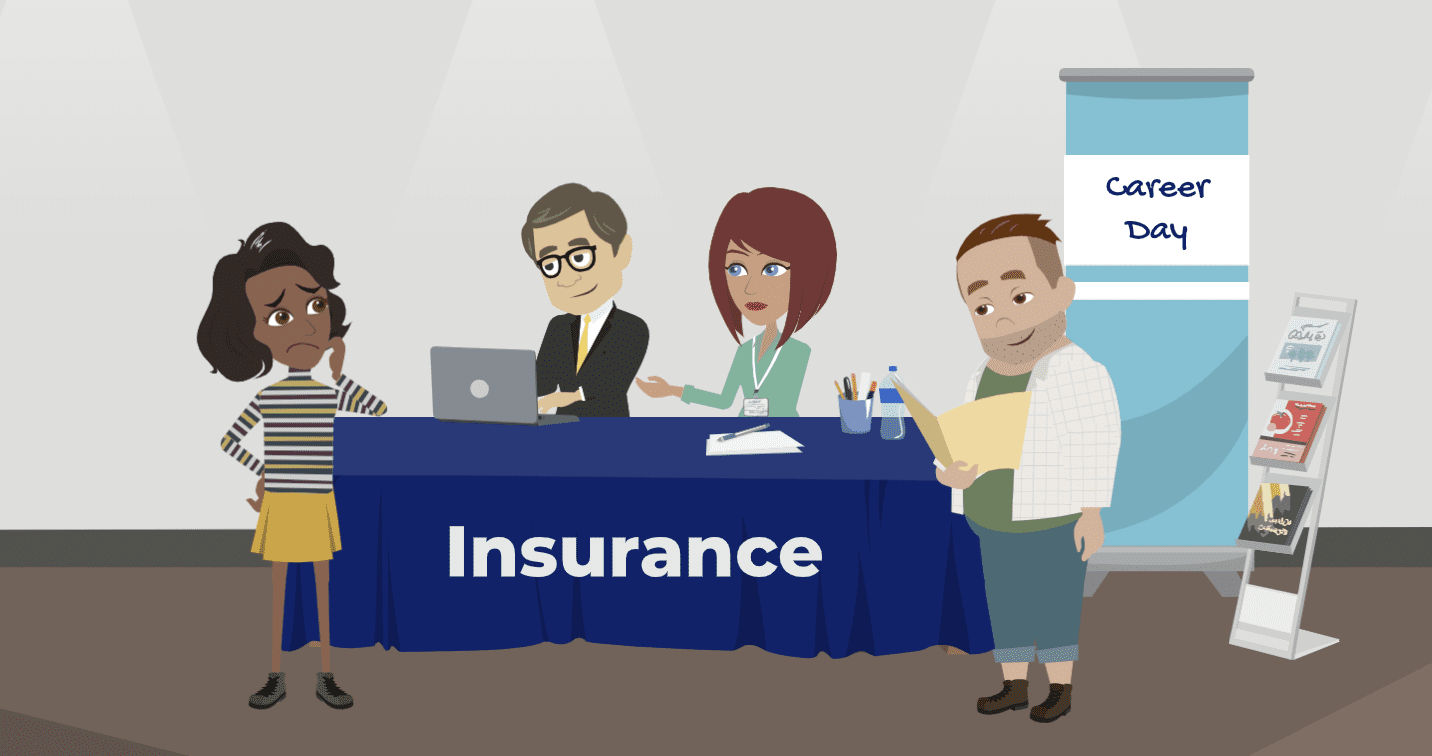
Most people don’t wake up one morning and decide to overhaul their entire career. What many people do feel, though, is a quiet sense of uncertainty. Industries change, roles expand, and job security isn’t what it once was. Even well-forged careers can start to feel a little exposed when expectations change faster than skills.
This is where the idea of career “insurance” comes in. This doesn’t involve a dramatic pivot or a total reset, but a practical way to future-proof your professional standing. And, for many professionals, strengthening business capability isn’t focused solely on ambition; it’s more about getting stability.
The Confidence Gap Nobody Talks About
Plenty of people feel confident in their technical expertise but hesitate when conversations move into budgets, strategy, or leadership decisions. Suddenly, the room feels different, and decisions carry more weight. Not to mention, the language being used feels totally unfamiliar.
This gap can feel like a reflection of your ability, but it’s not always the case. It’s usually just a lack of formal business grounding. Over time, that uncertainty can quietly limit opportunities, even for the most high-performing individuals. But people who understand the commercial side of decision-making are more likely to be trusted with responsibility, including in planning discussions, and in turn, more likely to be considered for leadership roles.
Why “Later” May Never Come
Long-term study is easy to postpone. There’s always a project deadline, a busy quarter, or personal commitments that push it further down the list. And, while many professionals know they should build stronger business foundations, the idea of years of study simply feels unrealistic.
Shorter postgraduate options have changed that mindset, though. They offer a defined scope, a clear endpoint, and learning that fits into real life. Rather than being an open-ended commitment, they feel achievable, even alongside full-time work.
Momentum Matters More Than Timing
Waiting for the “right time” to invest in your career can work against you. Skills gaps don’t tend to announce themselves loudly; they show up gradually in missed opportunities or hesitation in key moments. Building momentum through incremental learning is often more effective than waiting for the perfect conditions that never quite arrive.
Small, deliberate steps help professionals stay engaged with their growth without feeling overwhelmed. Over time, that momentum compounds, making future decisions easier and reducing the pressure to play catch-up when expectations inevitably evolve.
Think of Business Knowledge as “Career Currency”
Business literacy travels very well. Unlike role-specific tools or platforms, business skills apply across industries and job titles. This means understanding financial performance, organisational strategy, and leadership dynamics provides more flexibility when roles change or opportunities arise unexpectedly.
For this reason, qualifications like a postgraduate certificate in business administration are often viewed less as academic milestones and more as professional safeguards. They signal that someone understands how organisations function at a higher level, not just how to perform within one role.
Learning That Pays off Immediately
One of the biggest advantages of targeted business study is how quickly it translates into day-to-day work. Concepts around decision making, stakeholder management, and financial reasoning don’t sit on the shelf waiting for promotion. They show up in meetings, project planning, and everyday conversations.
Many professionals find that the real value isn’t just what they learn, but how they start thinking differently. Confidence grows when decisions are backed by structure rather than instinct alone, and that shift is often noticed by managers and peers long before a qualification is formally completed.
A Strategic Move
There’s a misconception that additional study means stepping sideways or slowing momentum. In reality, well-chosen postgraduate learning often strengthens a career path rather than distracting from it, and it can make professionals more effective in their current role while naturally positioning them for what comes next.
This approach is particularly appealing to mid-career professionals who aren’t chasing titles but want to remain competitive and credible as expectations continue to evolve. It’s less about climbing faster and more about standing firmer.
Choosing Stability Over Guesswork
Careers rarely unravel overnight. But they do stall, plateau, or slowly drift off course when skills stop matching expectations. Strengthening business knowledge is one of the simplest ways to guard against that drift.
Rather than reacting to change when it arrives, proactive professionals invest in clarity and confidence early. In a job market where adaptability matters more than ever, having solid business foundations isn’t a luxury; it’s a reassurance. Sometimes the smartest career move isn’t a bold leap forward, but making sure you’re prepared for whatever comes next.