Hosting and participating in events remain among the most effective strategies for businesses looking to expand their reach, strengthen relationships, and increase brand awareness and sales. As Dominick Iaderaia notes, whether it’s a hands-on workshop, a collaborative gathering with neighboring businesses, or a themed promotional night, each occasion offers a unique chance to generate excitement and connect with audiences in meaningful ways.
Leveraging social media further amplifies these opportunities, allowing businesses to engage attendees before, during, and after each event. Special offers and limited-time deals tied to events can prompt instant action, while post-event analysis ensures that each effort is a learning experience for the next.
Boosting Business Visibility Through Events
Events provide a direct way for businesses to connect with potential customers and show what makes them unique. Hosting or joining events can put your brand in front of people who might not discover you otherwise. Choosing occasions that match your audience’s interests leads to stronger engagement and better word-of-mouth.
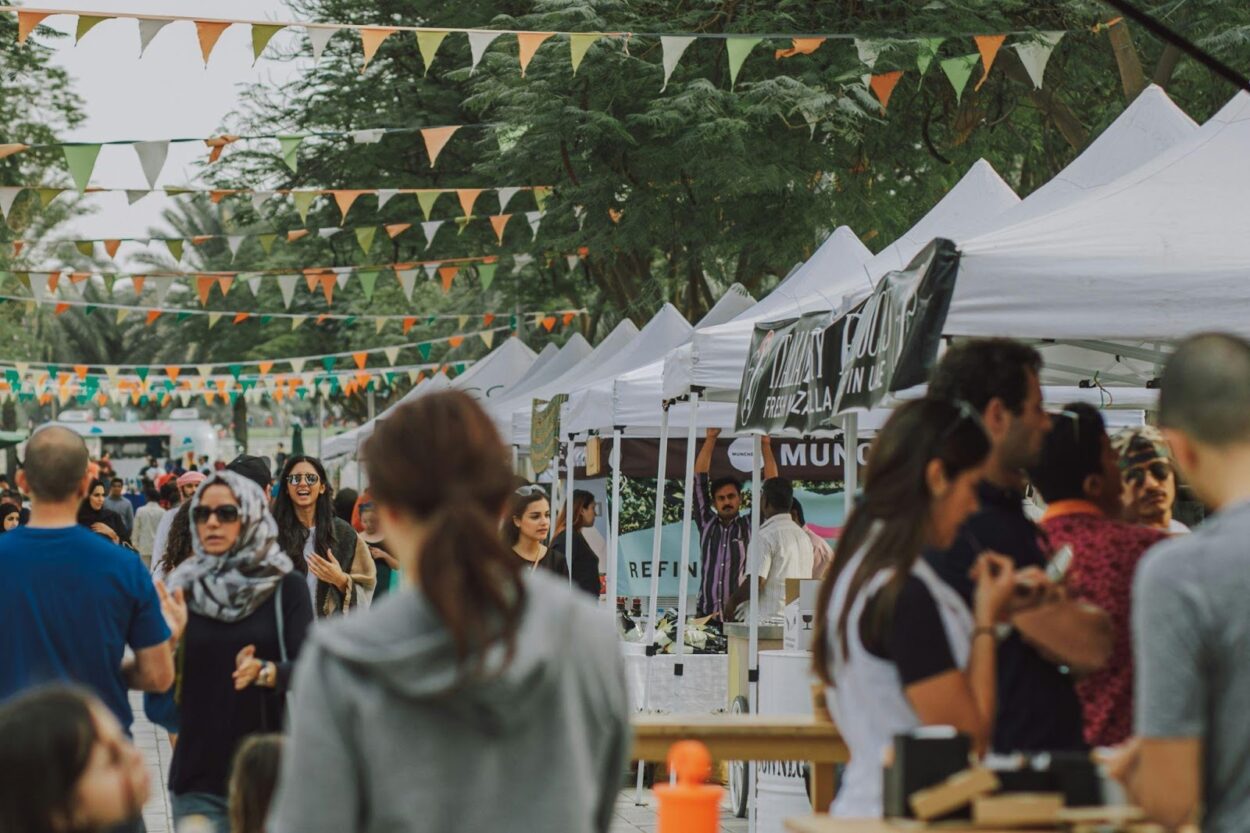
A neighborhood bakery hosting a seasonal tasting event often sees new faces who later become regulars. Similarly, a boutique participating in a local market can attract shoppers looking for something different. Selecting the right event helps maximize exposure and build genuine connections, and sometimes, it even opens opportunities to partner with other local organizations that share your values.
Planning Events That Connect with Your Intended Audience
Knowing what your audience values is key when planning out your event. If your clientele prefers hands-on experiences, interactive workshops, or live demonstrations can draw significant interest. A fitness studio might host a complimentary class to introduce new routines, while a tech store could organize a gadget demo to let people try out the latest devices. Tailoring event themes and activities to match your target audience’s preferences ensures a higher turnout and more meaningful engagement.
Events that resonate with a specific group tend to leave a lasting impression. Businesses that listen to feedback and observe trends within their customer base often see repeat attendance and increased enthusiasm for future gatherings. These insights can also inspire new event ideas that keep your offerings fresh and relevant.
Building Partnerships for Greater Reach
Collaborating with neighboring businesses expands your network and resources, making it easier to attract a wider audience. A coffee shop teaming up with a local bookstore for a reading night often draws patrons from both communities, benefiting each partner. Joint events can also introduce your brand to people who may not have discovered you otherwise. Working together with like-minded businesses often results in creative ideas and shared success, strengthening relationships and boosting overall event turnout.
Promoting Events Across Social Channels
Creating excitement on social platforms can especially boost event attendance. Sharing behind-the-scenes snapshots or short videos gives followers a glimpse of what to expect, sparking curiosity and anticipation. Involving your audience with creative event hashtags encourages them to share their experiences, expanding your reach organically and often leading to more user-generated content that further promotes your business.
A restaurant announcing a chef’s tasting night on Instagram might see increased interest as regulars tag friends and post about their plans to attend. Consistent updates and interactive posts help keep the event top of mind as the date approaches, and sometimes special contests or countdowns can add another layer of anticipation.
Sales with Special Offers
Limited-time promotions tied to an event often encourage quick decisions. A boutique might offer exclusive discounts to attendees, making the event feel more rewarding and motivating shoppers to make a purchase on the spot. Businesses sometimes introduce new products only during special gatherings, turning curiosity into immediate sales and giving loyal customers early access to new collections.
Small incentives, such as complimentary samples or early-bird deals, help create a sense of urgency and excitement. These strategies can turn a casual visitor into a loyal customer, especially when they feel they’re getting something unique. The added benefit of these offers is that they often prompt positive reviews and word-of-mouth referrals.
Gathering and Evaluating the Outcomes
Reviewing the results after an event helps refine future efforts. Collecting attendee feedback through surveys or informal conversations offers valuable insights into what worked well and where improvements are needed. Comparing actual turnout and sales to initial goals reveals the event’s effectiveness, and looking at metrics over time can highlight which strategies are successful.
Analyzing data from social media engagement or customer sign-ups can highlight trends and preferences within your audience. Businesses that regularly assess their event outcomes find it easier to adapt and grow, ensuring each new event builds on past success. By taking the time to reflect and measure, you set the stage for continued improvements and greater impact with each new initiative.
About the Author