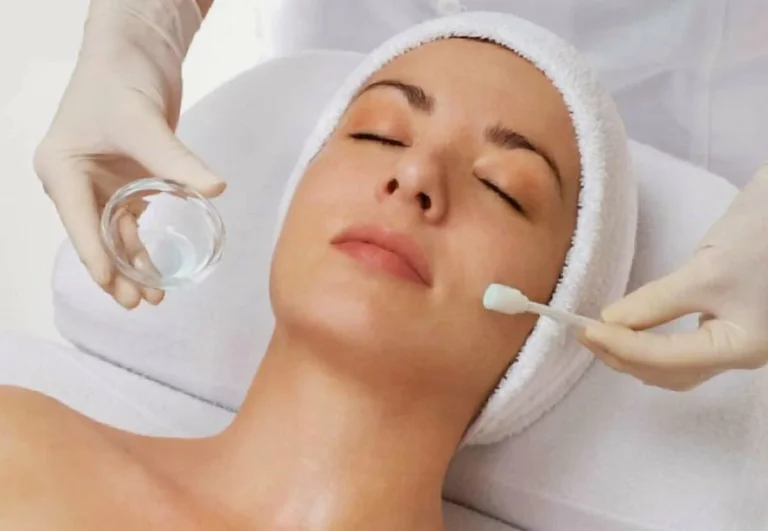
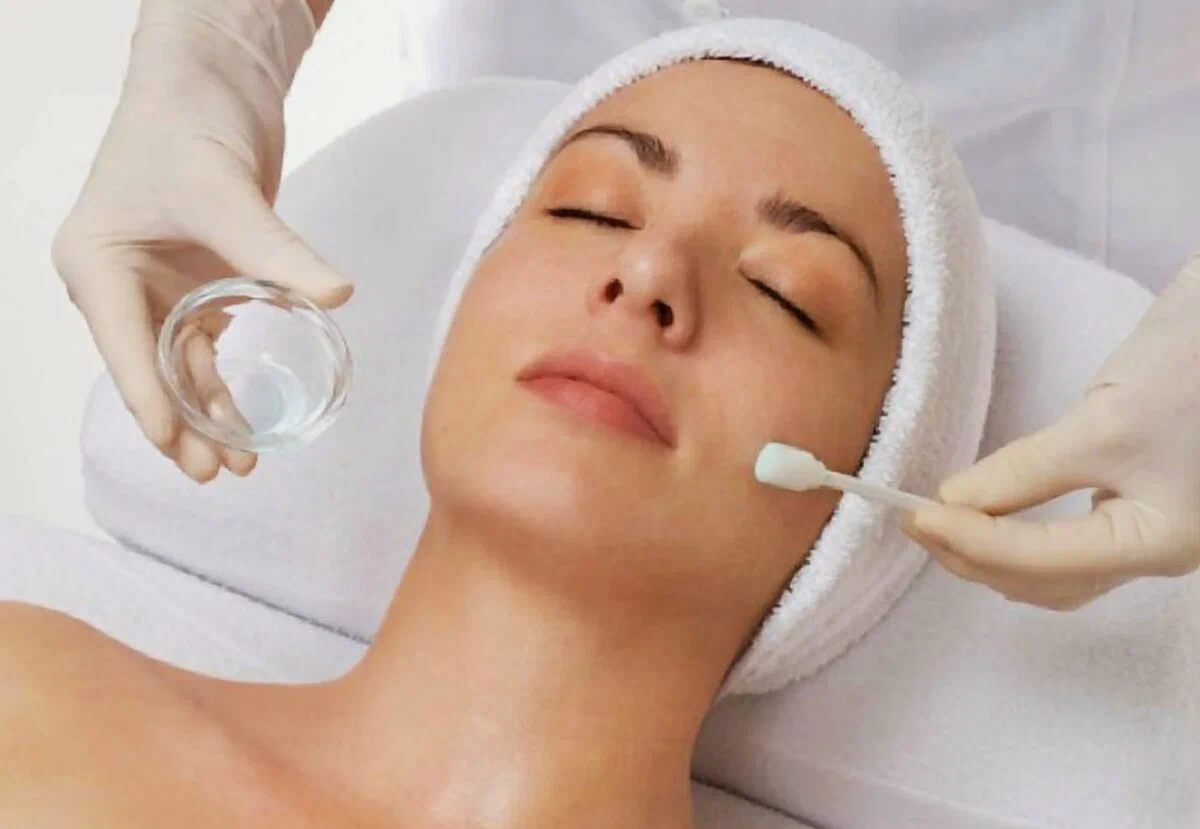
A peel might effectively resurface the skin. However, visible results represent only part of the outcome. For instance, the texture looks cleaner, and the tone appears more even. Meanwhile, your client may feel that immediate improvement is often noticeable.
The next steps are equally important. The answer is usually less helpful than the treatment itself, yet it matters more over the next several days. Strong outcomes tend to hold when a structured post-treatment skincare approach is considered.
What a Peel Changes, and Why Maintenance Matters
Chemical peels work by inducing controlled exfoliation and accelerating visible renewal in the upper layers of the skin. Depending on the acid system, contact time, and your client’s baseline resilience, that process might:
- Soften roughness
- Brighten uneven tone
- Improve the look of congestion or post-breakout marks.
The skin does not fully recover immediately after the peel. Rather, it enters a recovery phase in which water balance, barrier function, and inflammation control determine how polished the final result will actually look.
That is where many routines become ineffective. Clients mostly assume a brighter complexion. This means they should prematurely reintroduce retinoids, scrubs, or multiple active serums.
The skin typically benefits from a quieter sequence first. Aestheticians know this because results are not maintained through aggressive treatment. Rather, it is maintained by rhythm and hydration, along with appropriate protection that keeps the barrier from becoming reactive.
What’s Happening in the Skin After a Peel
Immediately after treatment, the skin is more permeable with increased water sensitivity. Transepidermal water loss can increase, and skin comfort may decrease. Also, nerve endings can feel more reactive to friction, heat, and heavy layering.
That does not mean something went wrong. Rather, it means the skin is in a temporary transition state and requires better conditions to recover well.
This is also why ingredient selection matters. Peptides help support visible recovery by encouraging smoother-looking skin and a more refined surface over time. Panthenol supports comfort, hydration, and barrier replenishment. This makes it especially useful in the early post-treatment window.
A recovery formula built around peptides, panthenol, humectants, and a low-stress emulsion system tends to fit this phase well. This is because it supports renewal without overstimulating the skin. This is where post-treatment skincare either preserves or compromises results.
Post-Treatment Skincare That Protects Peel Results
The goal here is not to keep pushing exfoliation. Rather, it is to preserve clarity while the skin reorganizes itself. For most clients, that means a short, disciplined routine with fewer variables, fewer activities. Also, there is more emphasis on comfort.
1. Cleanse Without Chasing a Squeaky Finish
For the first few days, cleansing should remove residue without overworking the surface. In general, a low-foam or creamy cleanser is more appropriate than a highly purifying one. If the skin feels tight immediately after rinsing, the cleansing step is already asking too much.
2. Use a Recovery Formula with Peptides and Panthenol
A peptide-focused serum or mist that includes panthenol, moisture-binding humectants, and soothing support ingredients helps maintain comfort. This helps the skin settle.
One especially fitting option in this category is a lightweight recovery formula centered on peptide technology and panthenol. It is designed to help:
- Replenish hydration
- Support visible smoothness
- Reduce that overstimulated feeling clients sometimes describe as heat or tightness.
3. Seal in Hydration with a Barrier-Minded Moisturizer
After a peel, moisturization is less about heaviness and more about proper water management. A balanced cream or lotion with emollients, humectants, and barrier-supportive lipids helps maintain flexibility in the surface layers. This way, flaking does not progress into visible roughness.
To be honest, a good post-treatment skincare regimen is mostly intentionally simple. It protects the result by removing unnecessary drama from the routine.
4. Prioritize Sunscreen Every Single Morning
If there is one maintenance step that determines whether results remain even, it is sunscreen. After resurfacing, UV exposure makes lingering redness more noticeable. Also, it contributes to uneven tone during recovery.
Mineral-forward sunscreen is generally better tolerated by reactive skin. This happens especially when layered over a simple hydrating base rather than several actives.
How Long Recovery Takes
Clients ask this constantly, and fair enough. How long recovery takes depends on peel depth, skin condition before treatment, and environmental exposure. Also, it depends on how carefully the home protocol is followed.
Some clients move through visible flaking quickly. Meanwhile, others hold onto tightness or patchy dryness longer than expected. What matters most is setting realistic expectations without making the process feel alarming.
| Recovery Phase | What Skin May Look or Feel Like | Best Home Focus |
| First 24 to 48 hours | Mild warmth and tightness, temporary sensitivity | Gentle cleanse, peptide and panthenol recovery, moisturizer, sunscreen |
| Days 3 to 5 | Dryness, visible flaking, uneven texture | Barrier support, no picking, consistent hydration, strict UV protection |
| Days 5 to 7 and beyond | Smoother look, more even tone, reduced roughness | Gradual reintroduction of actives once the skin is stable |
After Chemical Peel Care That Actually Preserves Results
There is a difference between making skin look calm and helping it stay calm. Proper after-chemical peel care protects against rebound sensitivity, avoidable dehydration, and the kind of irritation that makes clients think results are diminished prematurely. In many cases, the peel did not fail. It is just that the maintenance simply progressed too quickly.
A useful framework for your client looks like this:
- Keep the routine short for several days. Cleanser, recovery serum, moisturizer, and sunscreen are usually enough while the barrier recalibrates.
- Pause strong actives temporarily. Retinoids, exfoliating acids, benzoyl peroxide, and grainy scrubs may increase the risk of prolonged discomfort when introduced too early.
- Reduce heat and friction. Hot water, vigorous toweling, steam rooms, and frequent touching might contribute to reactivity. This happens even when the product routine is otherwise solid.
What Commonly Undermines Peel Results
The same mistakes are frequently observed, and they are usually made with good intentions. Clients often attempt to accelerate visible results. They want to help. Still, the skin mostly interprets that enthusiasm as pressure.
- Restarting active products before visible comfort has returned.
- Using exfoliating toners because flaking “looks uneven.”
- Picking at peeling skin instead of supporting hydration.
- Skipping sunscreen because staying indoors feels safe enough.
- Swapping in trendy calming products without checking for hidden fragrance, essential oils, or too many botanicals.
Each of these choices contributes to unnecessary reactivity. More importantly, they might blur the clean, refined look the peel was meant to support in the first place.
| Clinical Insight: Bring Actives Back in Stages, Not All at Once
Once the skin feels calm, hydrated, and consistently comfortable, actives return in a paced sequence. Start with the product that your client is best tolerated. Also, tell them to use it every few nights before adding anything else. This method provides the skin with a clear response pattern, which helps preserve clarity. That reduces the risk of mistaking irritation for progress. |
Better Recovery is Typically Simpler
Maintaining peel results is rarely about adding more. Essentially, it is about knowing when the skin needs less interference and more support. A streamlined protocol built around peptides, panthenol, measured hydration, and daily UV protection works best. It gives the skin a better chance to stay even, smooth, and visibly fresh after treatment.
That is the real value of post-treatment skincare. It extends the service’s visible payoff while helping your client move through recovery with greater comfort and fewer setbacks. It is a structured, effective routine.
For clients with persistent sensitivity or slower rebound, an aesthetician-led review of timing, product selection, and contraindications can refine the protocol without adding unnecessary complexity.
About the Author