
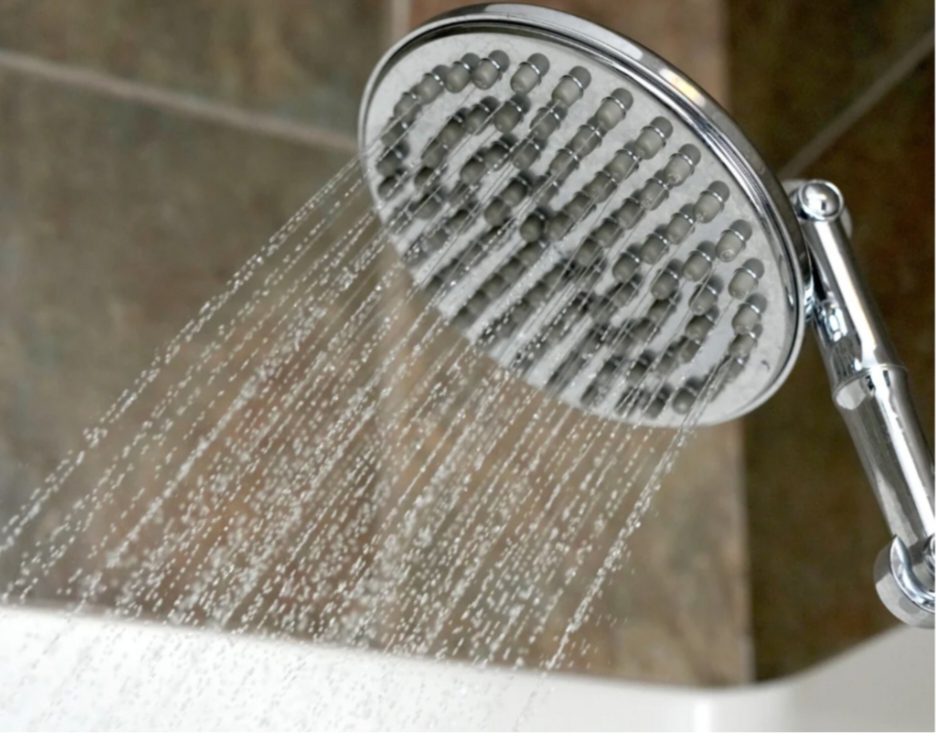
A drop in water pressure can be frustrating, especially when it affects your daily routine. In many cases, the issue is not with your plumbing system but with mineral buildup inside the shower head. Many homeowners follow how to clean shower head instructions to restore proper water flow and improve overall performance without needing major repairs.
Regular cleaning not only improves water pressure but also helps maintain hygiene and extend the lifespan of your fixtures. Understanding the correct process ensures you can clean your shower head safely and effectively while preventing future blockages.
Why Shower Heads Lose Pressure Over Time
Shower heads are constantly exposed to water that contains minerals such as calcium and magnesium. Over time, these minerals accumulate inside the nozzles and internal components, restricting water flow. This is particularly common in areas with hard water. As the buildup increases, you may notice uneven spray patterns, reduced pressure, or water spraying in different directions. These issues develop gradually, which is why they are often overlooked until the problem becomes noticeable.
Ignoring mineral buildup can eventually lead to complete blockage, making it essential to address the issue early. Regular cleaning helps maintain consistent water flow and prevents long-term damage to the fixture.
Signs Your Shower Head Needs Cleaning
Before starting the cleaning process, it is important to recognise the signs that your shower head requires attention. These indicators help you determine when maintenance is needed.
Common signs include:
- Reduced or inconsistent water pressure
- Uneven spray or water jets pointing in different directions
- Visible white or chalky residue on the nozzles
- Unusual noises during water flow
If you notice any of these symptoms, cleaning your shower head can often resolve the issue quickly and effectively. Addressing these signs early helps maintain performance and prevents more serious problems.
Tools and Materials You Will Need
Cleaning a shower head does not require specialised equipment. Most of the materials needed are commonly found in households, making the process simple and cost-effective.
You will typically need:
- White vinegar
- A plastic bag or container
- Rubber bands or ties
- An old toothbrush or small brush
- A soft cloth
White vinegar is particularly effective because it breaks down mineral deposits without damaging the fixture. Using the right tools ensures a thorough clean while protecting the finish of the shower head.
Step-by-Step Cleaning Process
Cleaning your shower head can be done either with or without removing it. The method you choose will depend on your preference and the level of buildup. If you choose not to remove the shower head, fill a plastic bag with vinegar and secure it around the fixture so that the nozzles are fully submerged. Leave it in place for several hours or overnight to allow the vinegar to dissolve mineral deposits.
For a deeper clean, you can remove the shower head and soak it in a container filled with vinegar. After soaking, use a brush to gently scrub away any remaining residue. Pay close attention to the nozzles, as these areas are most affected by buildup. Once cleaning is complete, rinse the shower head thoroughly with water and reattach it if necessary. Running water through the fixture helps flush out any loosened debris and ensures proper flow is restored.
Improving Water Pressure After Cleaning
After cleaning your shower head, you should notice an immediate improvement in water pressure. The removal of mineral buildup allows water to flow freely through the nozzles, restoring a consistent and even spray.
To further improve performance, check for any remaining blockages and ensure that all nozzles are clear. Running hot water through the system for a few minutes can help remove any leftover debris. If water pressure does not improve significantly, it may indicate a deeper issue within the plumbing system. In such cases, consulting a professional plumber can help identify and resolve the problem.
Preventing Future Buildup and Blockages
Preventative maintenance is the best way to keep your shower head functioning efficiently. Regular cleaning helps prevent mineral buildup from reaching levels that affect performance. Simple steps such as wiping the shower head after use and cleaning it every few months can make a significant difference. In areas with hard water, more frequent cleaning may be necessary to maintain optimal flow. Installing a water filter or softener can also reduce the amount of minerals entering your plumbing system. This helps protect not only your shower head but also other fixtures and appliances.
When to Call a Professional Plumber
While cleaning a shower head is a straightforward task, there are situations where professional assistance may be required. If the fixture is heavily damaged, corroded, or continues to perform poorly after cleaning, it may need to be replaced.
Persistent low water pressure can also indicate issues such as pipe blockages, leaks, or system inefficiencies. A professional plumber can assess the situation and provide the appropriate solution. Knowing when to seek expert help ensures that underlying problems are addressed and prevents further complications.
Conclusion
Cleaning your shower head is a simple yet effective way to improve water pressure and maintain the performance of your plumbing fixtures. By following the correct steps and using the right materials, you can remove mineral buildup and restore proper water flow.
Regular maintenance and preventative care help extend the lifespan of your shower head and reduce the risk of future issues. With a proactive approach, you can enjoy consistent water pressure and a more efficient plumbing system in your home.